



RELATED
MESSAGE
Single Wall vs Double Wall Kombucha Fermenters: Which One Is Better for Your Brew?
Sep 15, 2026
If you’ve ever looked into commercial kombucha brewing equipment, you’ve probably run into two common tank types: single wall and double wall fermenters.
At first glance, they look almost the same. Both hold your kombucha, both work for fermentation, and both are made of food-grade stainless steel. But once you start scaling your production, the difference between them becomes really obvious — especially in terms of temperature stability, batch consistency, and long-term running costs.
I’ll break it down simply, just like how we explain it to our regular kombucha brewers.
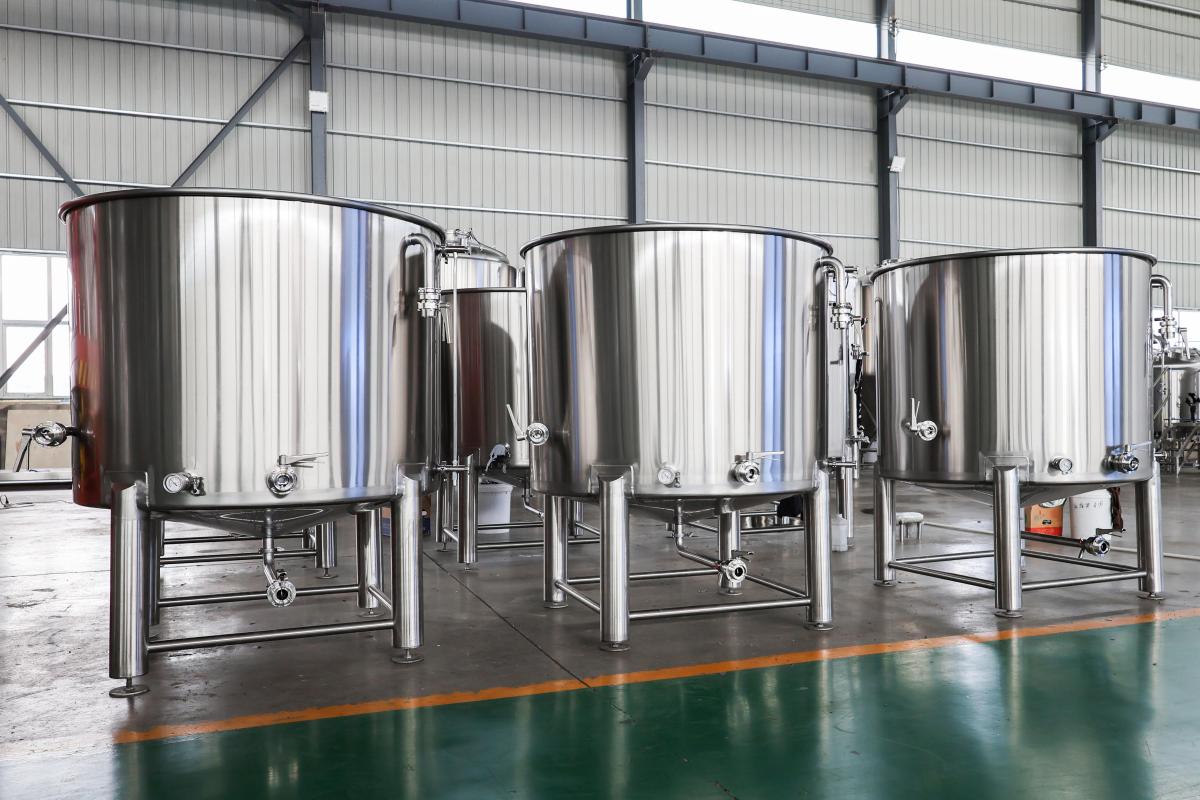
Single Wall Kombucha Fermenters
A single wall tank is exactly what it sounds like: one solid layer of stainless steel. There’s no jacket, no water circulation, and no built-in temperature control.
These tanks rely entirely on your room temperature to ferment kombucha.
If your brewing space stays pretty consistent all year round, single wall tanks work perfectly fine. They’re simple, affordable, easy to clean, and super straightforward to install. No extra pipes, no chillers, no complicated setup.
That’s why many new small-batch kombucha startups start with single wall fermenters.
But there’s a clear downside.
Kombucha SCOBY is extremely sensitive to temperature changes. If your workshop gets hot in summer or cold in winter, your fermentation speed will shift, and your flavor will vary from batch to batch. Some batches turn out too sour, some ferment too slow, and consistency becomes hard to control.
Double Wall (Jacketed) Kombucha Fermenters
Double wall tanks feature an inner tank and an outer shell, creating a hollow jacket layer in between. This layer allows glycol water or tempered water to circulate around the tank.
In short: you control the tank temperature directly, not the whole room.
This makes a huge difference for commercial brewing.
With a chiller system connected, you can keep your kombucha at the exact temperature your SCOBY needs all year long. No more seasonal flavor changes, no more slow fermentation in winter, no more over-fermented batches in hot weather.
Every batch tastes stable, clean, and consistent.
Of course, double wall tanks cost more upfront. They require piping, a chiller unit, and professional installation. But for anyone serious about scaling kombucha production, they’re absolutely worth it.
Quick Real-World Comparison
Single Wall Tanks Best For:
- New small-batch brewers on a budget
- Workshops with stable room temperature year-round
- Trial production and low-volume brewing
- Brewers who want simple, low-maintenance equipment
Double Wall Jacketed Tanks Best For:
- Commercial kombucha brands scaling up volume
- Facilities with big seasonal temperature changes
- Brewers who need consistent flavor across every batch
- Long-term, stable production plans
Final Thoughts
If you’re just starting out and testing the market, single wall fermenters are a practical, cost-effective choice.
But if you want reliable, repeatable kombucha quality and fewer production headaches, double wall jacketed tanks are the way to go. They eliminate almost all temperature-related fermentation issues that most new kombucha producers struggle with.
If you’re not sure which tank size or style fits your setup, feel free to reach out — we always tailor the equipment solution to your brewing volume and budget.
MESSAGE