



‹
›
‹
›
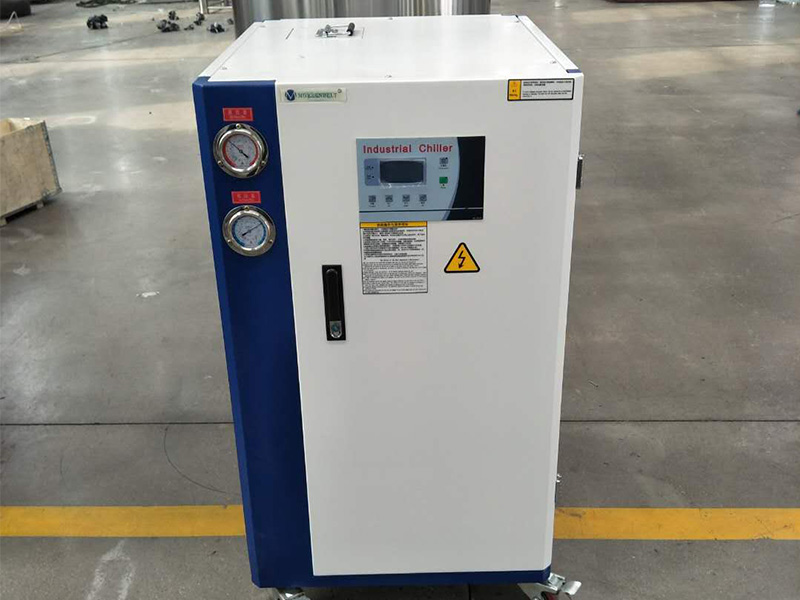
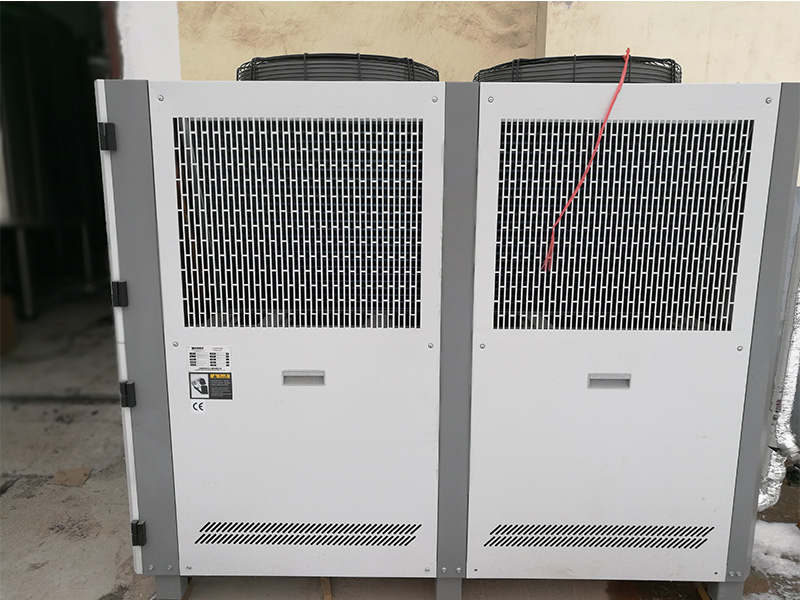
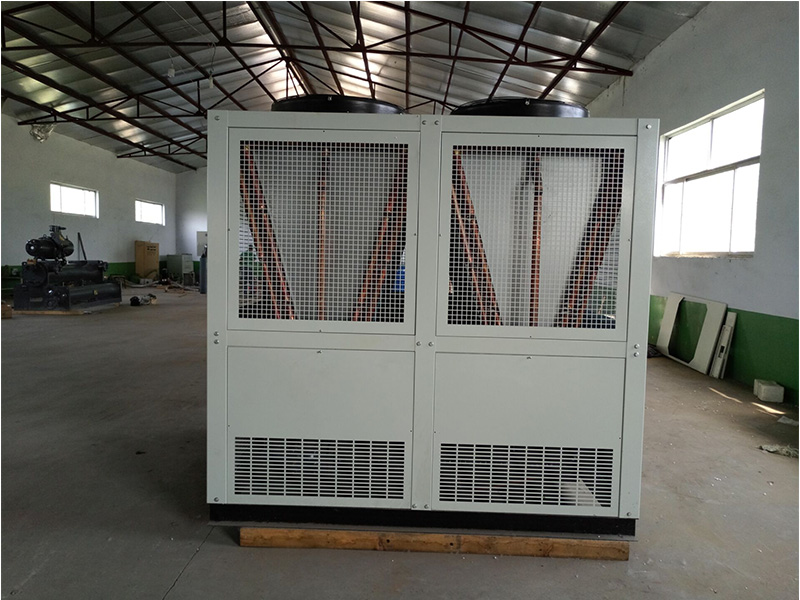
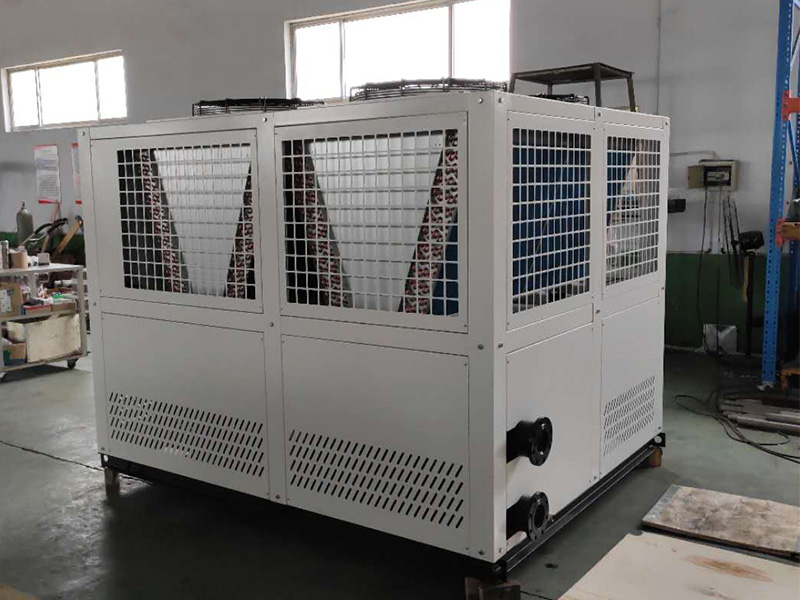
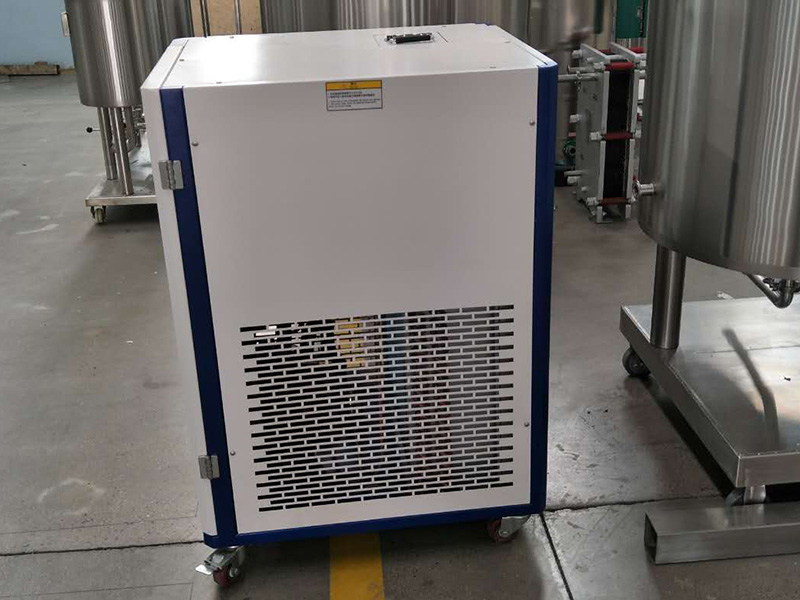
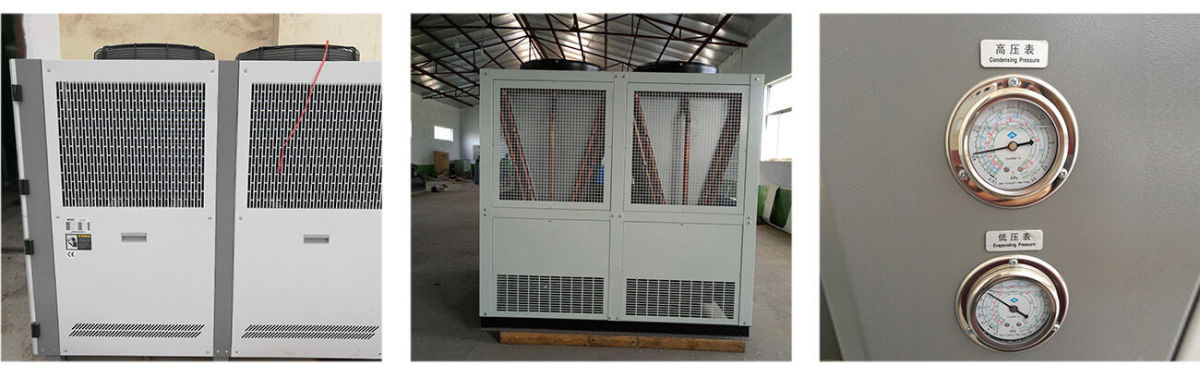
A professional beer cooling system typically includes a glycol or ice water tank, industrial chiller, circulating pump, stainless steel pipeline, solenoid valves, and an integrated control system.
Complete Glycol System for Precise Fermentation Temperature Control in Beer Brewing
If you're aiming for consistent quality and reliable control over your beer fermentation and storage process, a complete glycol system is an essential investment. An appropriately sized and configured glycol chiller brewery setup allows you to independently manage the temperature of fermentation tanks and bright beer tanks, greatly reducing beer making time and improving cooling efficiency.
A professional beer cooling system typically includes a glycol or ice water tank, industrial chiller, circulating pump, stainless steel pipeline, solenoid valves, and an integrated control system.
Components of a Complete Glycol Water System for Beer Brewing
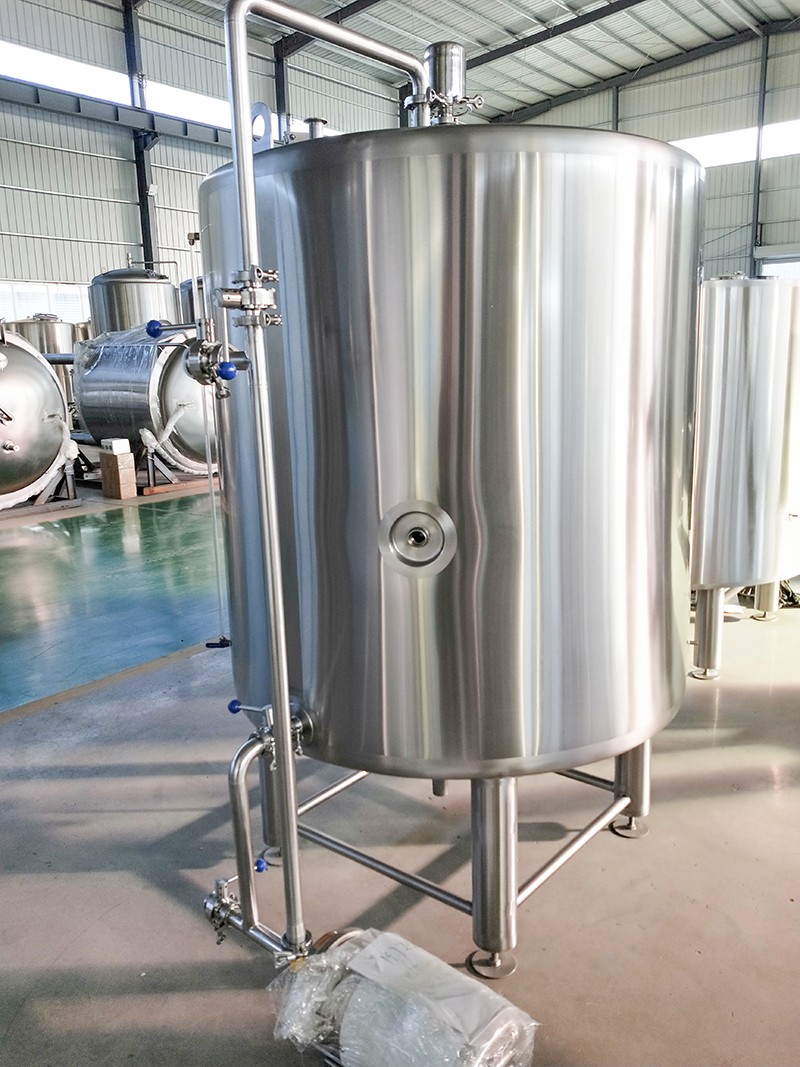
Glycol water tank
Cold water tank (recommended for brewhouses above 1000L per batch)
Industrial chiller
Glycol circulation pump
Cold water pump (optional with cold liquor tank)
Glycol water pipeline system
Why Breweries Need a Glycol Chiller System
Reliable temperature control is essential at multiple stages in beer production. During wort cooling, glycol-cooled plate heat exchangers or cold liquor tanks help bring the temperature down quickly. In fermentation, heat is released, and a lack of control can lead to poor fermentation. Glycol loops enable stable, consistent temperature regulation, especially in commercial brewing systems.
For home brewers scaling up from the best home brewing kits, integrating glycol cooling ensures better consistency and higher product quality.
Benefits of Using a Brewery Glycol System
Equipped with trusted brand-name refrigeration compressors
Uses CE-certified electrical and refrigeration components
Customizable stainless steel and high-head pumps based on brewery needs
Adjustable temperature control for year-round brewing
Separate compressor circuits to avoid cross-system failures
Environmentally friendly refrigerants like R407c and R410a
Glycol and Water Ratio in Brewery Systems
To optimize cost and performance, a 1:3 glycol-to-water ratio is generally recommended. This ensures the system remains freeze-resistant down to -20°C without overusing glycol.
When Is a Glycol System Required in Beer Brewing?
Wort cooling via heat exchangers
Fermentation temperature control
Bright beer storage tanks
Cold liquor tank temperature stability
Specifications of Chilled Water Tank for Beer Brewing
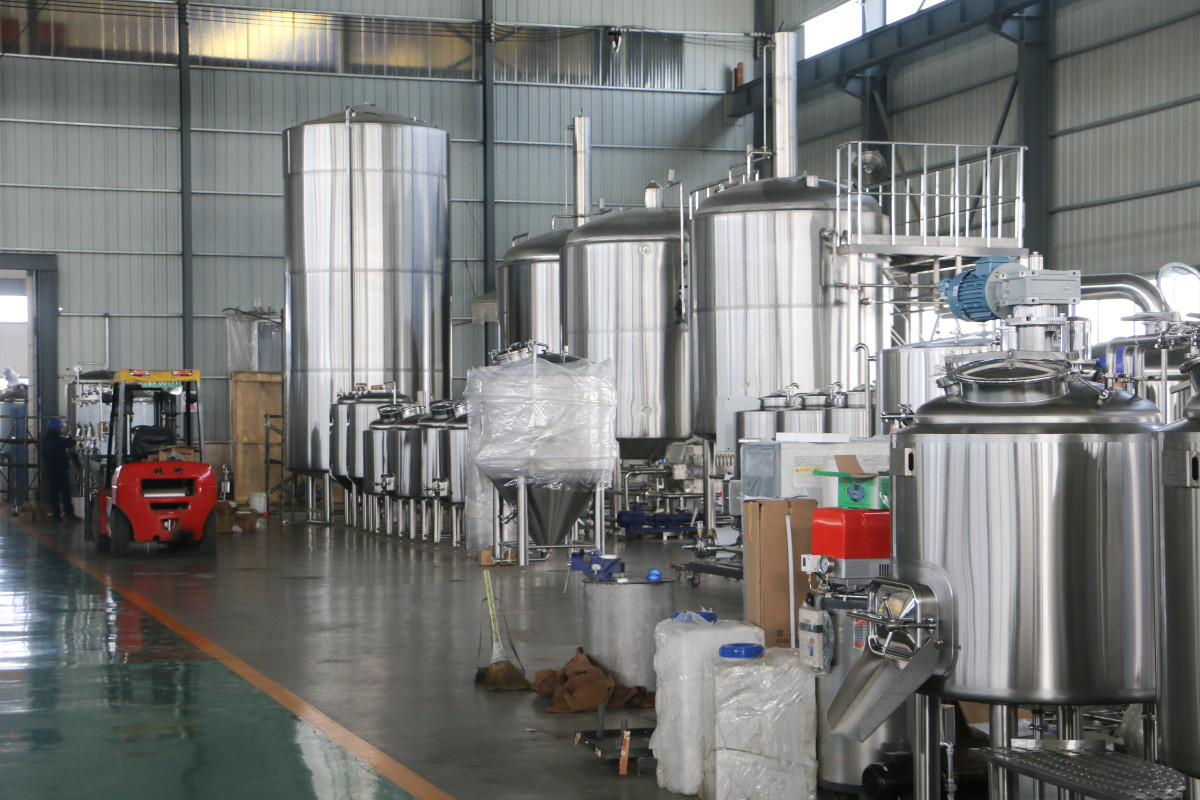
Capacity: 100L to 30,000L
Material: SUS304 stainless steel
Insulation: Polyurethane, 80–100mm thick
Inner liner: 3mm; outer shell: 2mm; finished with polished wire drawing board
Conclusion: Upgrade Your Brewing Equipment for Efficiency
Whether you're upgrading from a best beer brewing kit for beginners or looking at commercial brewing equipment for sale, temperature regulation is critical. From fermentation control to packaging, a well-integrated glycol cooling system ensures optimal performance across your brewing operation. Tonsen’s complete solutions are ideal for anyone looking to build a reliable, scalable, and efficient beer brewing system.
Optimizing Brewery Performance with Advanced Glycol Cooling Units
Effective temperature management is the backbone of successful beer production. For breweries aiming to ensure batch consistency and fermentation quality, investing in professional-grade beer brewing glycol chillers is no longer optional — it’s essential. Whether you're operating a microbrewery or scaling up from a complete home brew starter kit, a glycol-based cooling system offers precise, stable thermal control from wort chilling to cold storage.
Key Components of a Brewery Glycol Cooling System
A well-configured cooling system comprises several crucial elements. It begins with high-performance compressors designed to function with varying electrical standards, such as 220V 60Hz single or three-phase inputs. In larger systems (like a 5-ton chiller), dual compressors operate independently, enhancing operational safety — a crucial consideration in commercial beer making equipment.
Types of Heat Exchangers in Glycol Chillers
Your brewing method and equipment setup determine the type of evaporator most suitable for your glycol unit.
Shell-and-tube evaporators are highly efficient and ideal for closed-loop systems.
Brazed plate heat exchangers offer better performance in compact spaces but may be prone to freezing in narrow channels.
Coil-in-tank systems are more space-intensive but work well in custom brewing systems requiring high fluid capacity.
Each option has its place depending on your fermentation tank setup and cooling requirements.
Enhanced Condensation and Ventilation
An efficient condenser system, typically built with copper tubing in a V-shaped configuration, allows quick heat dissipation. Paired with axial fans that produce low noise even under high volume output, this design supports optimal brewery ventilation and cooling across seasons.
Automated Temperature Control for Beer Cooling
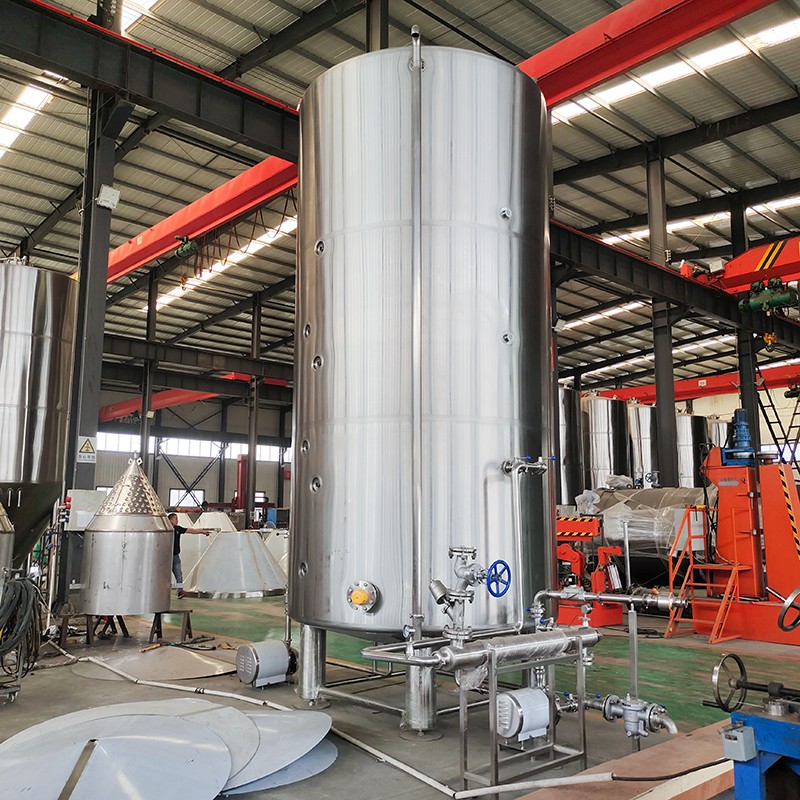
Modern brewing systems integrate automated control panels for temperature monitoring. These can range from standard digital interfaces to advanced PLC-controlled panels by Siemens, providing real-time data on power usage, flow rate, and equipment status. Precise temperature feedback ensures your brew pub equipment runs within ideal thermal parameters.
Stainless Steel Circulation Pumps
Pumps are a critical part of glycol flow management. Our systems offer stainless steel circulation pumps from top global brands like Grundfos, CNP, WILO, and Minamoto. These pumps come in various pressure levels to support both home brewing kits and large-scale craft brewery equipment.
Where and When Glycol Cooling Becomes Necessary
During wort production, glycol lines connect with plate heat exchangers or cold liquor tanks to reduce temperature quickly before fermentation.
In fermentation, yeast activity generates heat, and glycol jackets on fermentation tanks allow temperature to remain within ideal brewing conditions.
For serving or bright beer tanks, glycol maintains clarity, flavor stability, and carbon dioxide retention in finished beer.
Whether you're using a beer brewing at home kit or sourcing beer making supplies near me, the glycol system ensures temperature control doesn't become your bottleneck.
Recommended Glycol-to-Water Ratio for Brewing Systems
To maintain efficiency and prevent freezing, the industry standard is a 1:3 glycol-to-water mixture. This balance provides cooling capacity down to -20°C without compromising pump performance or risking overconsumption of glycol — critical for both beer brewing equipment stainless steel tanks and best beginner brewing kits.
Choosing the Right Glycol Chiller for Your Brewery
Not all systems are created equal. For those looking at beer brewing equipment for sale, it’s important to evaluate the compressor independence, cooling cycle, expansion potential, and digital control capabilities. A fully integrated glycol chiller will enhance both your system’s uptime and your final product's quality.
Final Thoughts
Temperature inconsistencies can ruin even the best brewing recipes. Whether you're scaling up from the best home brew kit for beginners or managing multiple fermentation vessels, a well-structured glycol cooling solution delivers the performance, flexibility, and peace of mind you need to produce excellent craft beer.
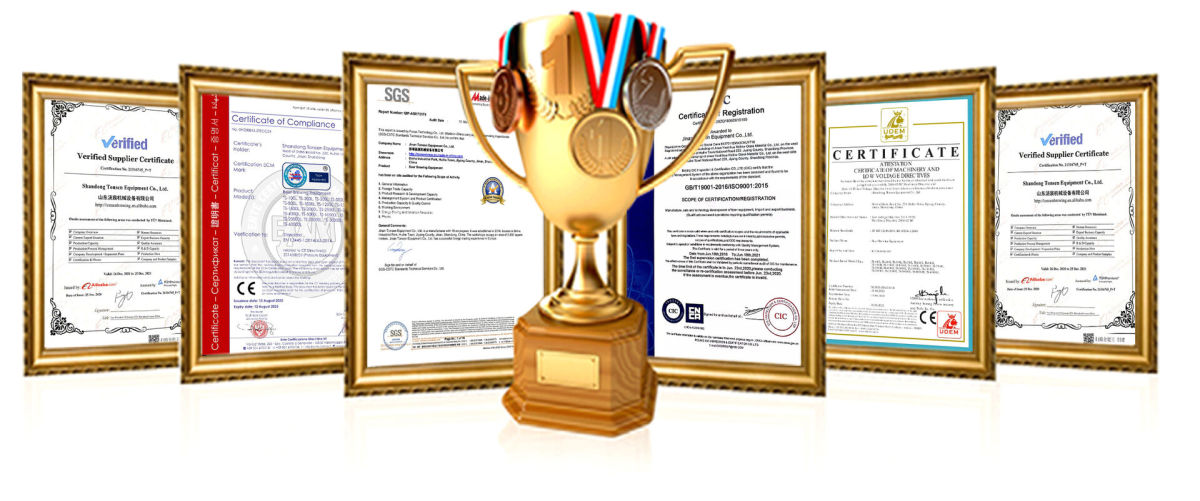
- Certificate -
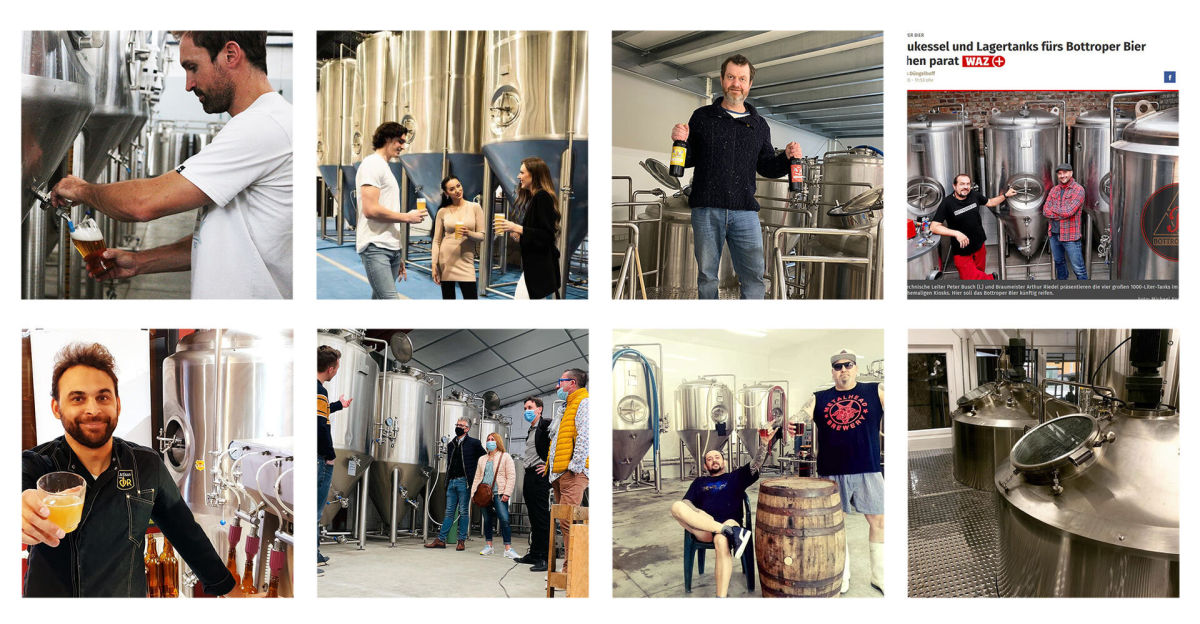
- Customer Reviews -
- Message -
- Products Recommended -
MESSAGE