



RELATED
MESSAGE
What is the difference between fermentation and brewing?
1. The essential difference between brewing and fermentation
In the process of producing beer, brewing is a unique term, so what is brewing? Brewing is a thermal process that produces unfermented wort by heating malt, adding hops, saccharification, filtering and boiling. Fermentation is a low-temperature biochemical reaction process that mainly relies on yeast to convert sugar in wort into alcohol and flavor substances.
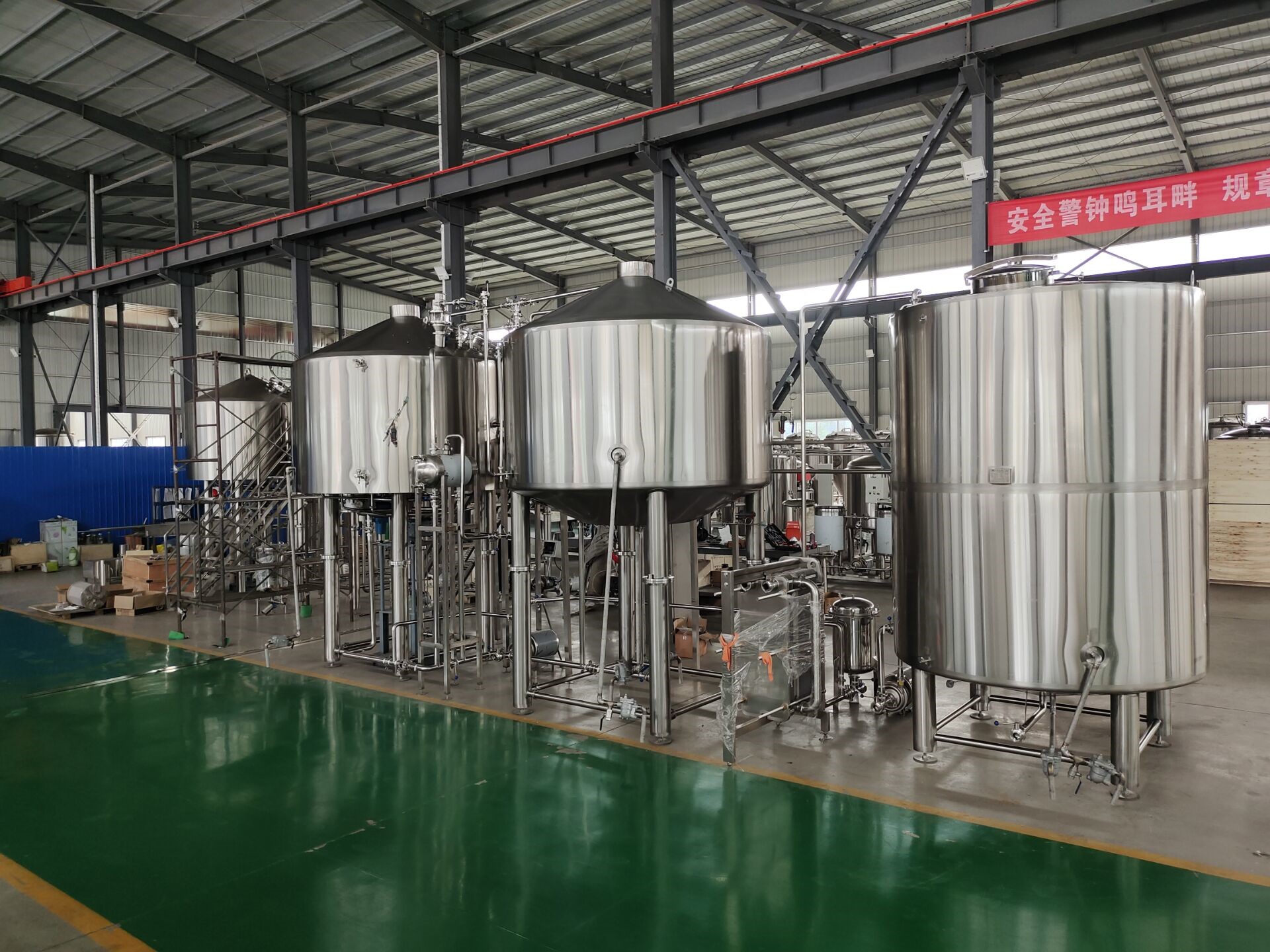
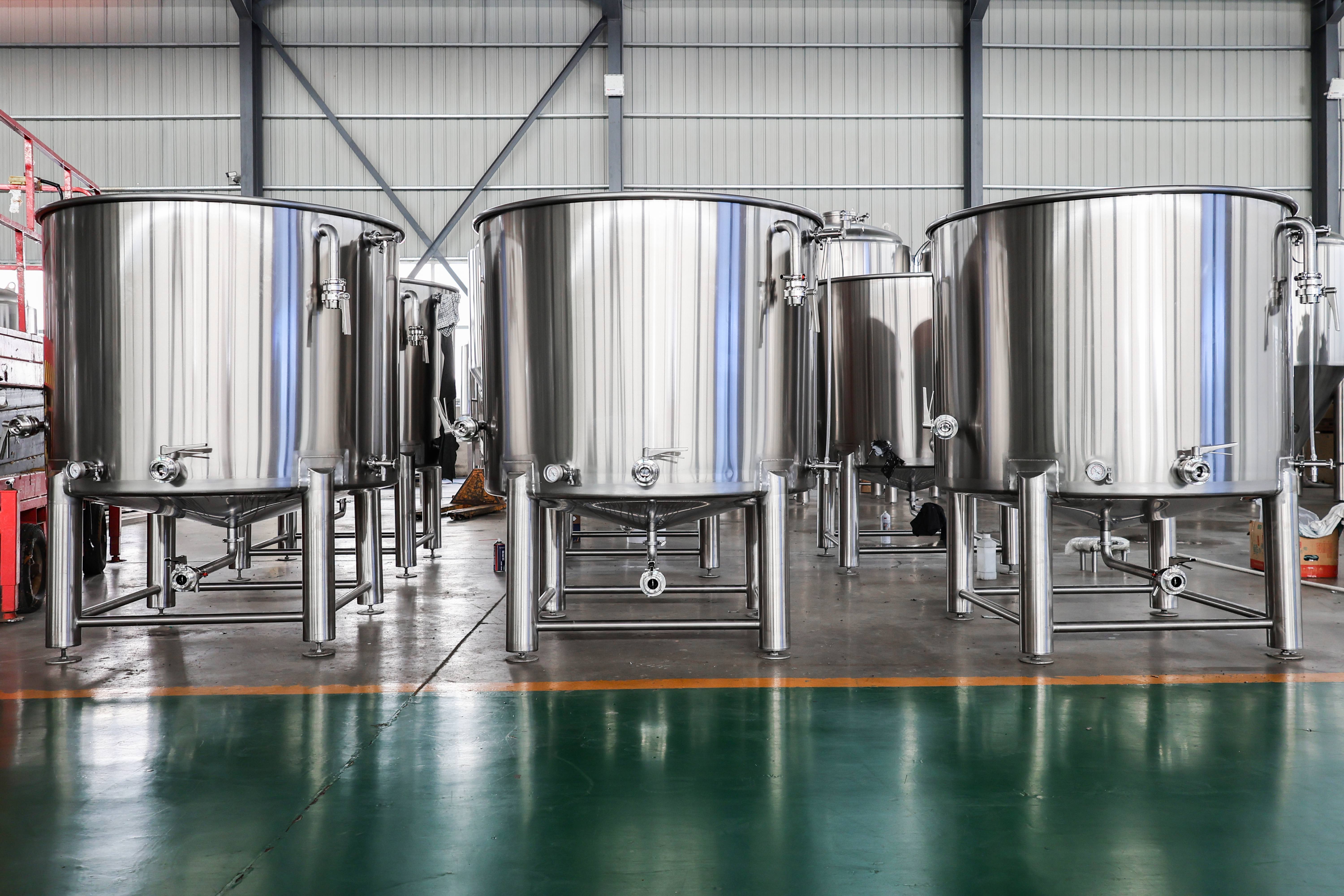
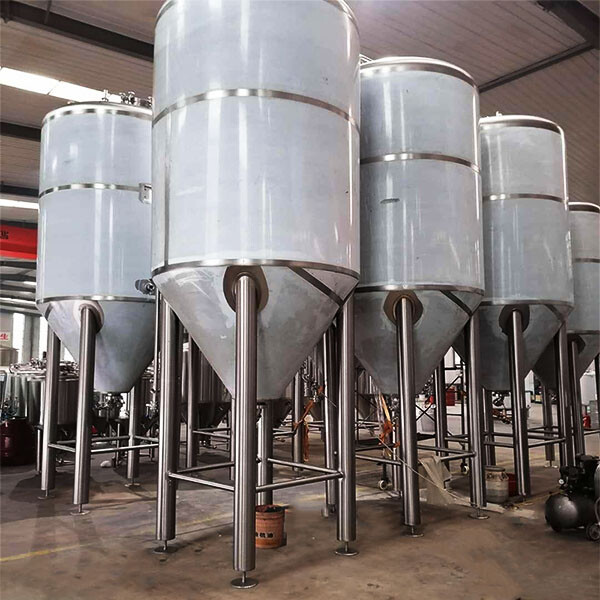
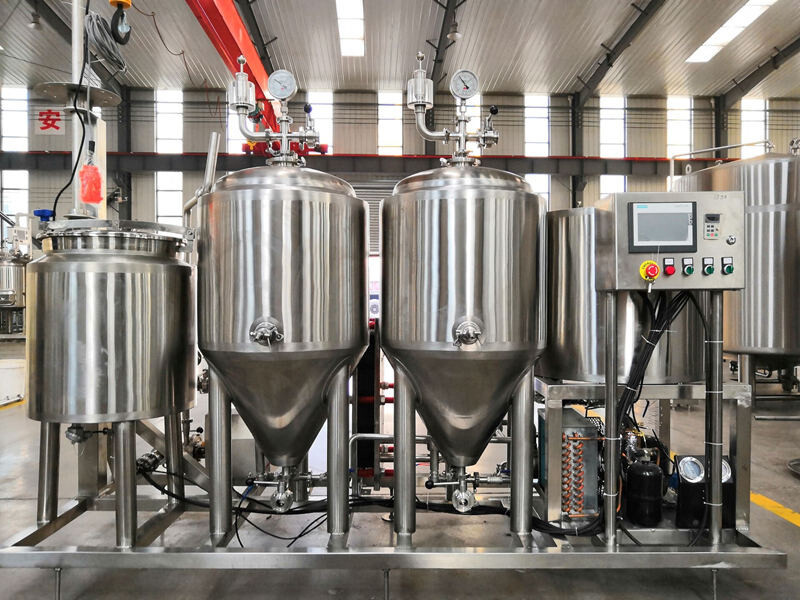
For example, in the brewing process, you need to use containers such as saccharification pots, filter tanks, and boiling pots; while the fermentation stage mainly relies on special equipment such as conical fermentation tanks or cylindrical fermentation tanks. This also means that when you configure a complete set of beer brewing systems, you need to clearly distinguish the hardware required for each stage to prevent excessive or insufficient equipment selection. Brewing and fermentation are both indispensable in the beer manufacturing process. The selection of equipment required for each process is even more important. Brewing is an interesting process.
2. How to choose a suitable brewing system?
The brewing needs of different scales and uses determine the configuration of equipment. Tonsen has summarized the selection recommendations for three typical users:
Hobbyists
It is suitable to use an integrated saccharification and fermentation system, such as the Grainfather brewing system. This type of equipment is compact and user-friendly, suitable for small batch trials, and usually includes temperature control and cleaning functions. It is an extension of the crofton cold brew coffee system category. For example, some best rated home brew kits are also convenient to purchase, easy to repair and operate. And if you want a home beer brewing setup, you only need to buy simple beer equipment and install it to make the fermentation and saccharification equipment work.
Small commercial/entrepreneurial craft brewery
The recommended configuration is a 500L-1000L saccharification system with a stainless steel conical fermentation tank, which can not only meet the initial production needs, but also has room for expansion, and is easy to operate, and the installation of parts is not complicated. At the same time, the system supports the production of multiple beer styles and is suitable for creating a micro brew beer brand. Moreover, this brewing system is very simple to operate. It is a special equipment for making beer, and is also suitable for small breweries and home beer production.
Professional beer making equipment of 1000L–3000L is required. It is recommended to choose a combined system that can be matched with a CIP system, automatic temperature control and a PLC controller, and supports steam heating and modular expansion. This type of equipment can be used for export or commercial contract brewing projects, and has high requirements for equipment materials and performance. It can be divided into stainless steel brewing equipment, stainless steel fermentation tanks, etc., and each system is equipped with a corresponding brewing system. Completely ensure the safety of brewing.
3. Analysis of key elements of equipment configuration
Whether it is used for home brewing or large-scale commercial production, several core elements must be paid attention to when purchasing equipment:
First, in terms of equipment material, food-grade stainless steel (SUS304 or 316) is the industry standard. It not only has excellent corrosion resistance, but also is easier to clean and maintain. For the fermentation system, not only the material should be considered, but also whether it has a sealing function and a surface polishing level (Ra≤0.6μm), which will directly affect the flavor and stability of the wine.
The second is the temperature control system. A reliable brewing system must be equipped with a cooling jacket, a temperature probe and related controllers. In particular, temperature control is crucial during the fermentation process. If the fermentation temperature is too high or too low, it will affect the yeast activity and the quality of the wine.
In terms of automation, medium and large commercial projects are recommended to use PLC automatic control systems. This system can realize a series of functions such as automatic saccharification, intelligent temperature control, CIP cleaning, data recording, etc., which greatly improves the efficiency and consistency of brewing.
Finally, consider the scalability of the equipment. If your business plan includes subsequent expansion, it is recommended to choose a modular brewing system, which can gradually add fermentation units or cooling units without rebuilding the entire system structure.
4. Purchase suggestions: budget reference and combination
In terms of budget, the system configuration required by different users varies significantly.
If you are a novice brewing enthusiast who is just getting started with a budget between US$500 and US$1,000, you can choose an all-in-one home brewing kits with a simple fermentation barrel. This type of equipment is easy to operate and suitable for personal exploration.
For entrepreneurial craft breweries, the budget is generally between $8,000 and $20,000. It is recommended to purchase an electric heating saccharification system of about 500L, and match it with more than two conical fermentation tanks, and build a control system to ensure the consistency of each batch of beer, while ensuring rapid fermentation, greatly shortening the time.
For mature commercial customers with a budget of more than $30,000, a steam heating system of 1,000L or more should be selected, with a complete pipeline, pump set, cooling system and CIP device. Such a system supports the production of diversified alcoholic beverages and can meet the needs of export, OEM or private brand mass production.
5. Common Misunderstandings of Craft Beer Entrepreneurship
In the actual process of purchasing and configuring equipment, many entrepreneurs are prone to several typical misunderstandings.
A common misunderstanding is the blind pursuit of large capacity. Many people think that the larger the equipment, the better, but it is not the case. If the production capacity is greater than the sales capacity, it will not only increase the operating cost, but also easily lead to beer backlog and quality decline. Reasonable planning of brewing cycle and inventory turnover rate is far more critical than blindly installing equipment.
Another misunderstanding is to ignore the cleaning and disinfection system. Fermentation units that are not equipped with CIP cleaning function will greatly increase the cost of manual cleaning and easily cause cross contamination, affecting the flavor of beer.
Some people also choose equipment brands that lack after-sales support. Once a failure occurs, it is difficult to repair, and in serious cases, it may even cause the entire brewing cycle to be scrapped. Therefore, it is more secure to choose a brewing equipment brand with a global service network and engineering and technical team.
6. Conclusion: Successful brewing begins with understanding and selection
Although fermentation and brewing are two sides of the same coin, they are completely different in terms of process, equipment and management. Whether you are an individual player building a home beer brewing setup or a new entrepreneur preparing to invest in a micro brew beer factory, correctly understanding the difference between the two will lay a solid foundation for your brewing journey.
Only on the basis of a full understanding of brewing systems can you make a choice that suits your business model and achieve a win-win situation in product quality, production efficiency and market returns.
MESSAGE