



RELATED
MESSAGE
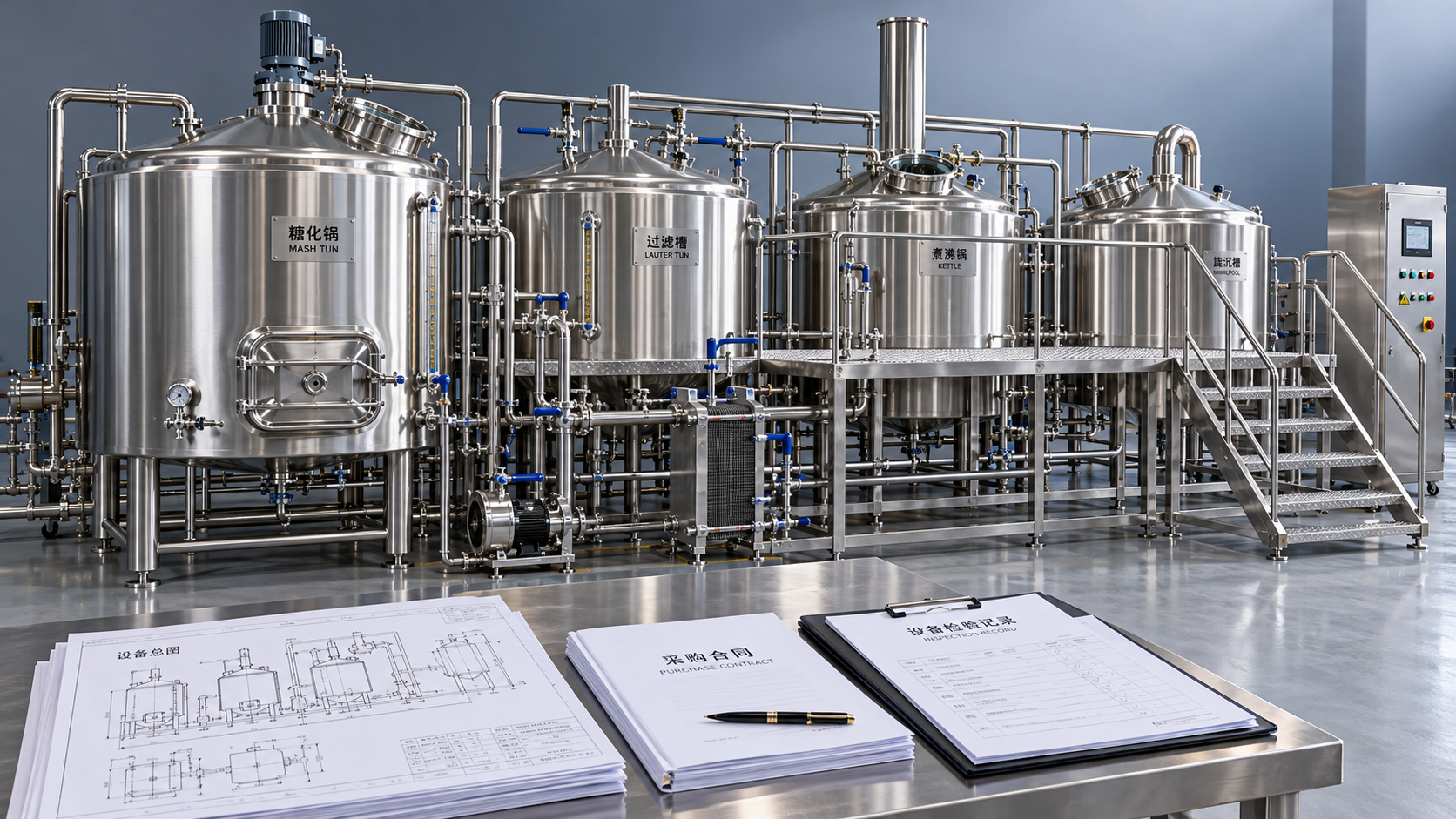
A reasonable deposit for brewery equipment should cover a clearly defined manufacturing commitment while leaving meaningful payments tied to inspection, delivery, and acceptance. The percentage alone cannot tell you whether an offer is fair. You also need to know what the supplier will do with that payment, what evidence you will receive, and what happens if the project stops.
For example, a proposed 30% deposit can be a starting point for negotiation on a custom system, but it should not be treated as a universal industry benchmark. It becomes more defensible when approved drawings, material purchasing, and production scheduling support it. The same request deserves closer scrutiny when specifications remain unsettled or the supplier cannot explain its commitments.
Good brewery equipment payment terms connect money to observable progress. They also preserve enough leverage to resolve problems before the equipment reaches your brewery.
Judge the deposit against what the supplier must commit
Building a custom brewhouse creates costs before there is finished equipment to inspect. The manufacturer may need to purchase stainless steel, order pumps and valves, reserve fabrication capacity, and obtain control components. A deposit helps fund these commitments and reduces the supplier’s exposure if the buyer cancels.
The justification changes with the order. A standard tank already in stock involves different commitments from a brewhouse designed around a particular building, heating method, and automation scope. Equipment with unusual dimensions or dedicated components may also be harder for the manufacturer to resell.
Ask the supplier to connect the requested deposit to specific work:
- Which engineering deliverables will be completed before fabrication?
- Which materials and purchased components will be ordered?
- Which items are custom, nonreturnable, or subject to cancellation charges?
- What event reserves the production slot and starts the delivery schedule?
The supplier does not need to disclose its entire cost structure to explain these commitments. A credible answer should still distinguish engineering, procurement, and fabrication. “This is our standard policy” explains a commercial preference, but gives you little basis for assessing the risk.
A larger deposit needs a stronger commercial justification and stronger protection. If substantial advance funding is necessary, discuss additional safeguards, such as an appropriate bank guarantee or a carefully structured escrow arrangement. Their value depends on the wording, release conditions, and cost.
Agree on the equipment before agreeing on the payment trigger
A deposit becomes harder to manage when the contract describes the equipment loosely. “Complete brewing system” leaves too much room for disagreement about what is included, what performance is expected, and who supplies the connections.
Before releasing a manufacturing deposit, establish the technical scope closely enough that both parties understand what will be built. For a brewery project, this may include vessel working volumes, heating arrangements, utility requirements, tank pressure ratings, cooling connections, control functions, and the equipment layout.
Separate the main system from accessories and site work. A quotation may include the brewhouse and cellar tanks while leaving out interconnecting pipework, glycol distribution, electrical installation, unloading, or commissioning travel. These omissions affect your total funding requirement even when the equipment price looks attractive.
Drawing approval also needs a clear place in the agreement. If engineering must happen before the design can be finalized, a separate engineering payment may make sense. Define its deliverables and whether it is credited toward the equipment purchase. This gives both sides a way to progress without committing the full manufacturing deposit to an unfinished scope.
Record how changes will be approved. Moving a tank connection after fabrication begins can create legitimate extra work; correcting a connection that was built contrary to approved drawings is a different matter. Written change control keeps those situations distinct.
Structure brewery equipment payment terms around evidence
A staged payment schedule is useful only when each milestone has a clear meaning. “Production started” and “equipment completed” can be interpreted differently. Define the documents, inspections, or tests that make an installment payable.
The following schedule is an illustrative negotiation model, not a statement of standard market terms. The proportions should change with the equipment scope, supplier commitments, and practical ability to inspect and commission the system.
The practical benefit is the link between each payment and a result you can assess. A photograph of stainless steel sheets does not necessarily establish that material has been allocated to your order. Progress evidence is more useful when it identifies your vessels, drawings, components, and inspection status.
A simpler purchase may need fewer stages. An available stock tank might be handled through reservation, inspection, and shipment payments. A complete installation with controls and site commissioning benefits from separating factory completion from operational acceptance.
If the supplier requires the full balance before dispatch, recognize the consequence: your ability to secure corrections through unpaid funds ends before delivery. Factory inspection, complete records, and clear remedies then become especially important. A warranty provides a contractual remedy, but pursuing it may take time and coordination.
Make factory acceptance specific to the equipment
A factory acceptance test, or FAT, checks agreed aspects of the equipment before shipment. It should produce a documented result, with any outstanding work recorded against a responsible party and completion date.
For brewery equipment, relevant checks may include vessel dimensions, nozzle positions, internal finish, drainage, instrument installation, component identity, and control panel functions. Leak or pressure testing should match the equipment design and applicable requirements. Specify which tests are required and what records will accompany them.
Automation deserves particular attention. A control panel can power up successfully while sequences, alarms, or interlocks remain incomplete. Where the system includes automated functions, define which can be demonstrated at the factory and which require connected site utilities.
Factory testing has practical limits. Water trials can demonstrate circulation and basic operation, but they do not establish every result under brewing conditions. Steam supply, cooling capacity, water pressure, drainage, and electrical installation can all affect site performance.
Divide acceptance criteria accordingly. Identify what must pass before shipment and what will be demonstrated during commissioning. Classify outstanding defects so that a minor documentation correction does not carry the same consequence as an incorrect pressure rating or a major control fault.
Check who receives the deposit and who builds the equipment
Before transferring funds, connect the contracting company, payment beneficiary, and manufacturing operation. If different entities are involved, the relationship and responsibility should be clear in the agreement. Any unexpected change to bank details should be confirmed through an established contact channel before payment.
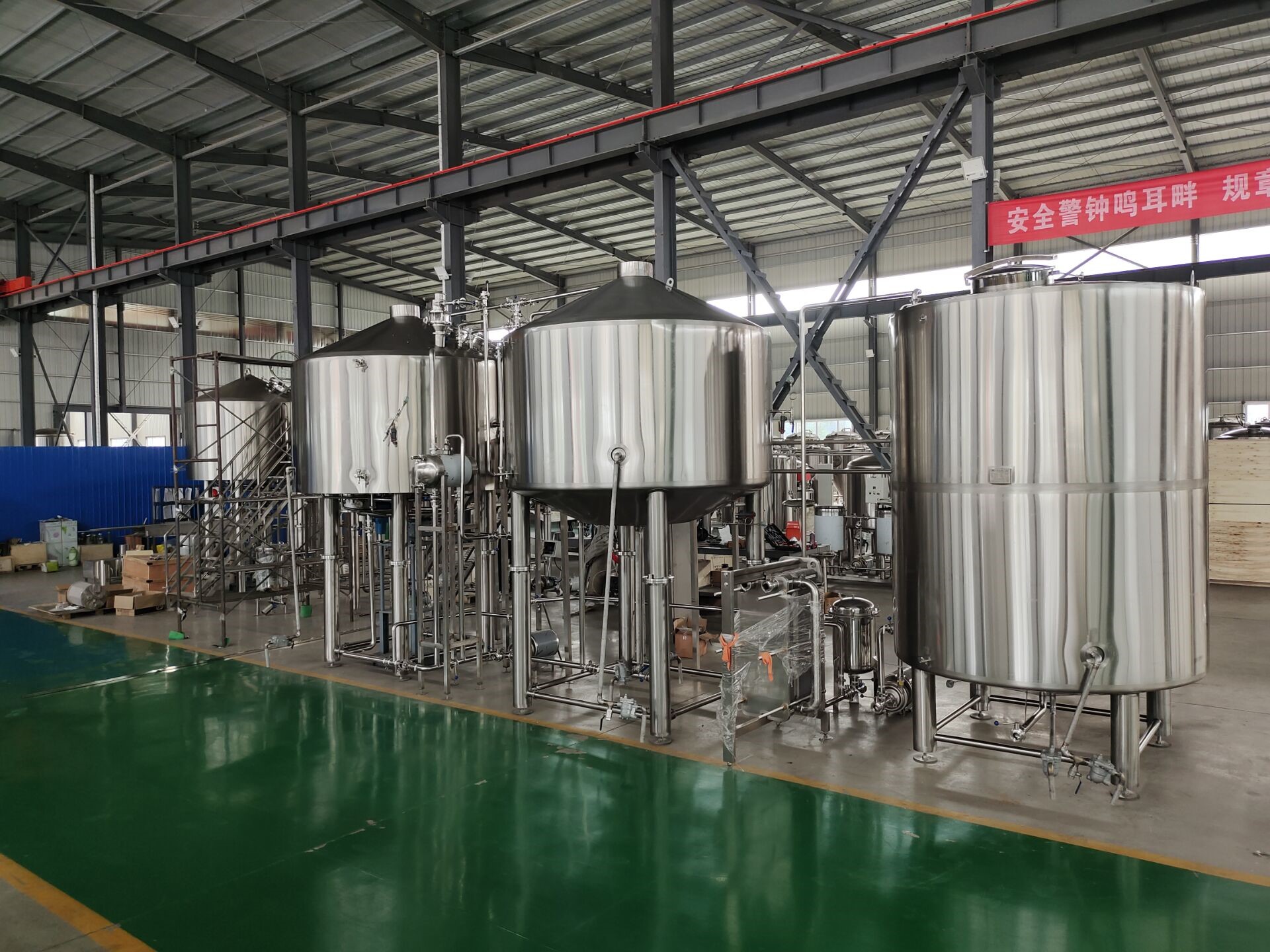
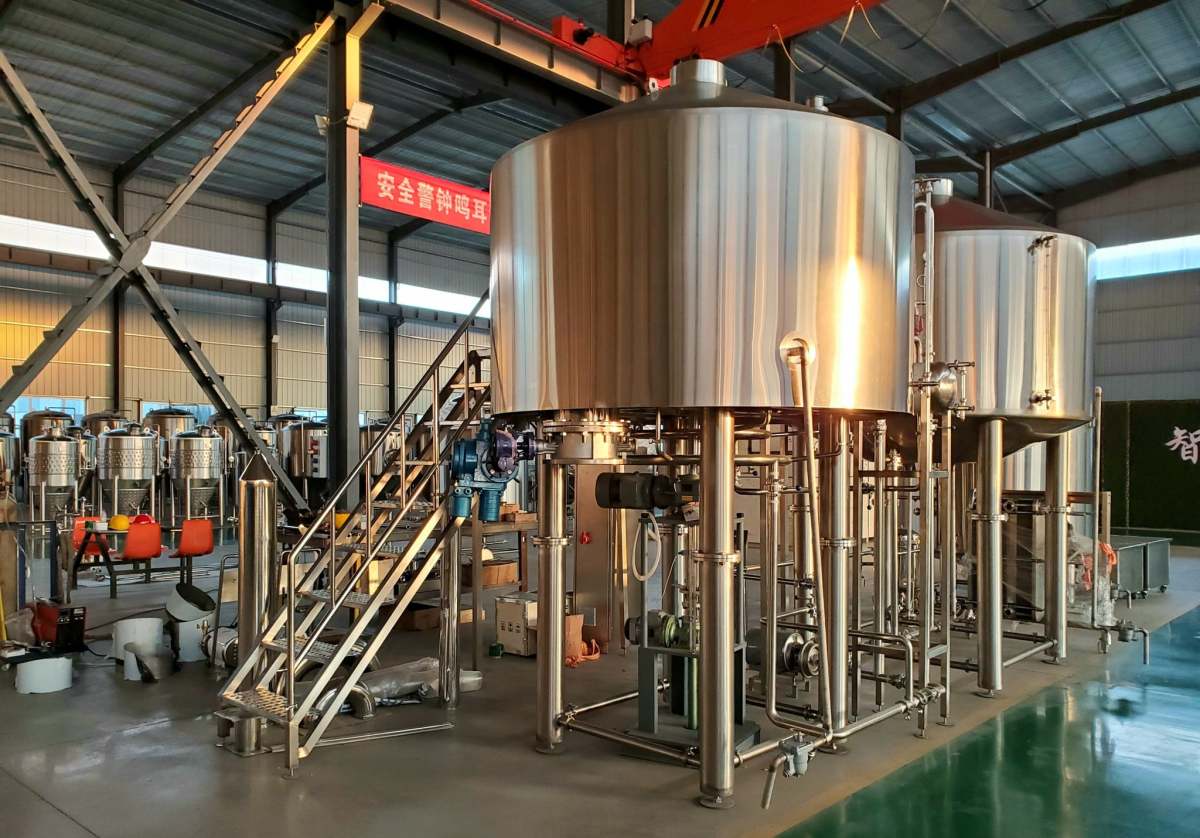
A factory visit, live video review, or independent inspection can help establish whether the supplier has the facilities and processes relevant to your order. Look for evidence connected to the actual manufacturing work: fabrication areas, vessel handling, welding, finishing, component assembly, and quality records.
Manufacturing capability is relevant when assessing a company such as Shandong Tonsen Equipment Co., Ltd. The Jinan-based business integrates beer and wine equipment development, production, sales, technical support, and service, and lists laser welding, laser cutting, polishing, and CNC machining among its facilities. These capabilities provide useful subjects for a supplier assessment. The payment decision should still depend on the agreed project scope, inspection access, and contractual deliverables.
A production facility can support a supplier’s credibility, but it cannot establish that your particular order is complete. Keep company assessment and project progress checks connected throughout the purchase.
Write down what happens when the project changes or stops
Refund terms deserve as much attention as the initial percentage. Calling a payment a “deposit” does not, by itself, explain when it can be recovered or what deductions may apply.
Buyer cancellation, supplier default, and an agreed project pause need separate treatment. If you cancel after custom fabrication begins, the supplier may have committed costs that cannot readily be recovered. If the supplier fails to perform, the agreement should define notice, an opportunity to remedy the failure, termination rights, and the treatment of money already paid.
For buyer cancellation, consider linking deductions to documented work and nonrecoverable commitments. Also address what happens to completed equipment, purchased components, and drawings. Contract language about ownership or identification of work in progress can help clarify intentions, although practical recovery depends on the circumstances and applicable law.
Delivery dates need equally clear assumptions. State when the lead time starts and how late drawing approval, delayed payments, or buyer-requested changes affect it. Otherwise, both sides may quote the same delivery period while counting from different events.
Final acceptance should also have a workable deadline. If commissioning is delayed because the brewery has no power or cooling available, an indefinite final payment hold can create a dispute. Define site readiness, scheduling responsibilities, and how buyer-caused delays will be handled while preserving remedies for equipment defects.
Protect the cash needed to receive and start the system
The deposit is only one part of the cash-flow decision. After factory payments, the project still needs funds for freight, insurance, import charges where applicable, unloading, installation, utilities, and startup work. Keep these costs in the funding plan before accepting an accelerated payment schedule.
Shipping terms should state who arranges transport, who pays each cost, and when transit risk transfers. These issues are separate from ownership and acceptance, so address them explicitly. Specify packing responsibilities and the process for recording delivery damage as well.
A discount for a larger advance payment should be assessed against the additional money exposed and the protection available. The saving may be less attractive if it removes the funds you would otherwise retain until inspection or commissioning.
Before accepting a deposit request, ask the supplier for a payment schedule showing each amount, its trigger, the evidence required, and the remedy if that milestone is missed. Then compare that schedule with your own cash requirements. A reasonable agreement funds genuine manufacturing commitments, makes progress visible, and leaves both parties with a practical route to completing the brewery.
MESSAGE