Whether you are expanding production for small craft breweries or upgrading outdated production lines for medium and large commercial breweries, the entire renovation process involves multiple key links including equipment replacement, process optimization, site adaptation, and compliance approval. Many breweries only focus on increasing production capacity and blindly replace equipment during upgrades, ultimately encountering problems such as mismatched equipment and factory buildings, disconnected processes, excessive energy consumption, and unstable beer taste, leading to more losses than gains. To complete brewery upgrades smoothly and efficiently, selecting reliablecommercial beer brewing equipment and cooperating with professional beer equipment manufacturers is the core, while every detail must be strictly controlled. Based on years of practical industry experience, this article elaborates on the key precautions for brewery upgrades.

1. Define Upgrade Positioning Before Selecting Commercial Beer Brewing Equipment to Avoid Blind Follow-Up
Most brewery upgrade failures stem from unclear preliminary positioning and unplanned equipment upgrades that ignore actual business conditions. Many brewery operators blindly purchase large-scale commercial beer brewing equipment simply because peers are expanding production and updating equipment. They completely ignore their own production capacity requirements, product categories, and market order volume, resulting in idle large-scale equipment with low output, wasted investment, or insufficient equipment precision that cannot support new beer recipe brewing.
Before launching an upgrade, you must first clarify your core upgrade goals: whether to simply increase daily production capacity, optimize beer taste and quality, add new categories such as fruit beer and specialty craft beer, or replace old high-energy-consuming equipment to reduce operating costs. After confirming the positioning, you can select targeted and compatiblecommercial beer brewing equipment.
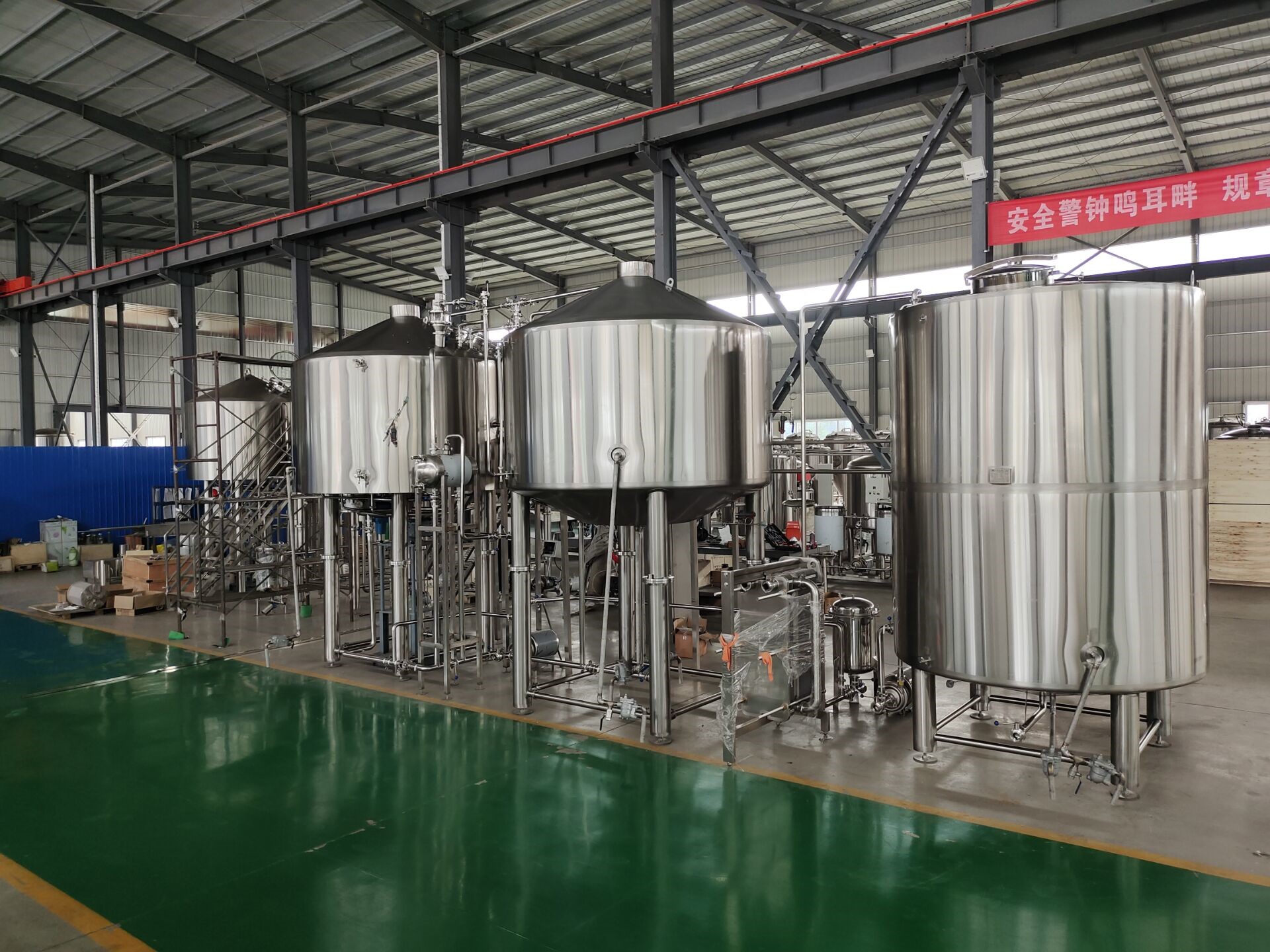
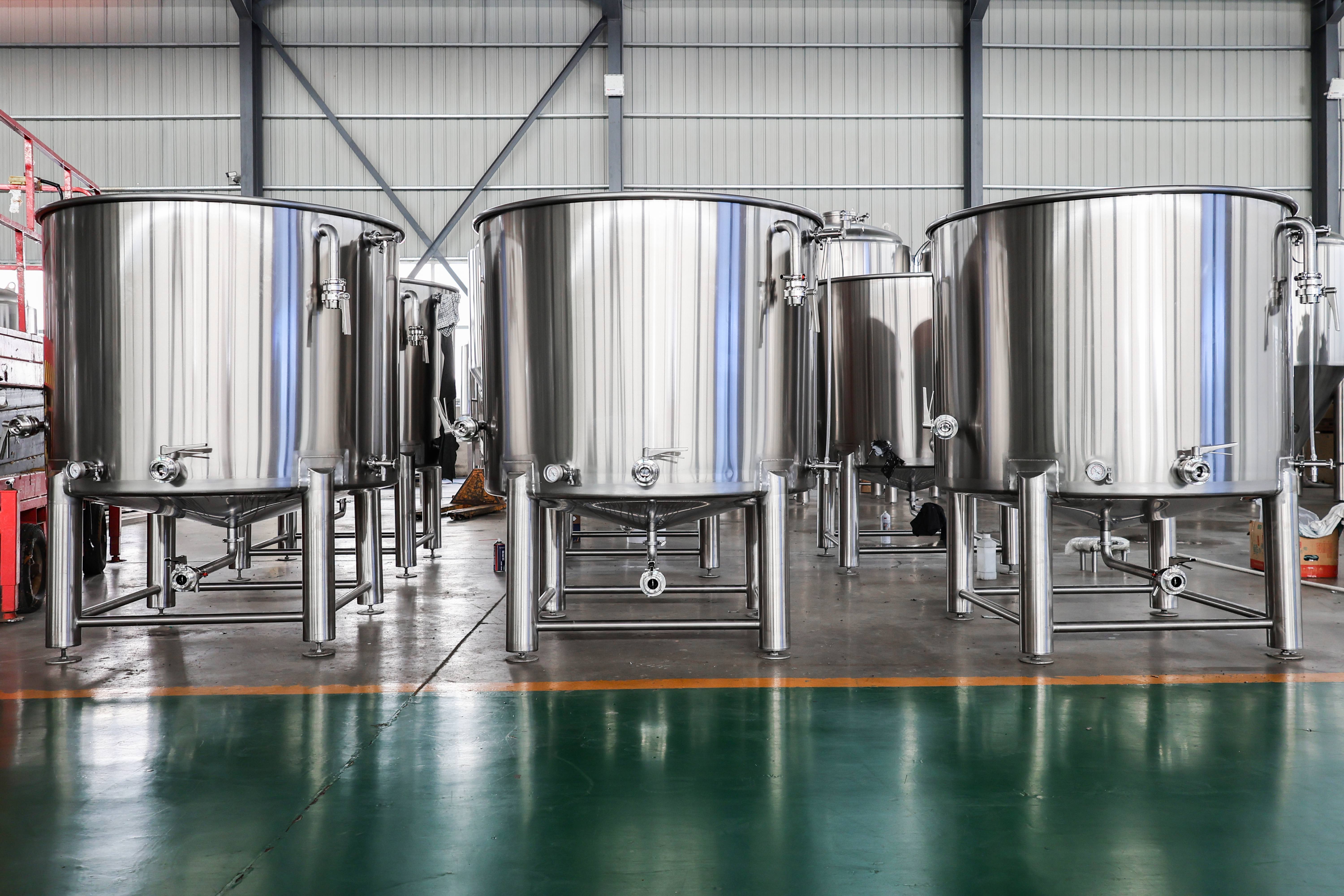
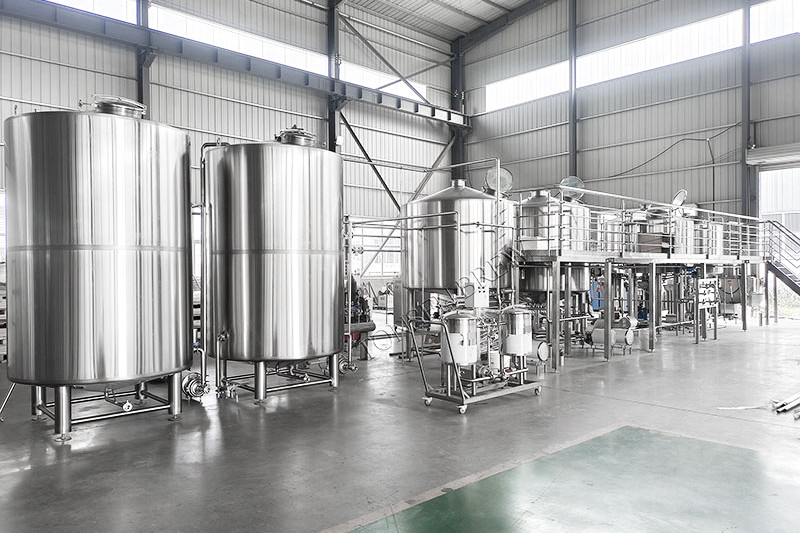
For breweries focused on mass-produced commercial beer, the upgrade priority lies in a complete set of automated commercial beer brewing equipment for mashing, fermentation and filling, focusing on equipment stability, continuous production capacity and low failure rate. For breweries specializing in small-batch and multi-category craft beer, modular commercial beer brewing equipment with high precision and flexible debugging functions is required to adapt to the brewing needs of different formulas and batches. Accurate demand positioning maximizes the value of commercial beer brewing equipment and avoids ineffective investment.
2. Selecting Reliable Beer Equipment Manufacturers Is the Core of Successful Upgrades
After confirming equipment requirements, choosing formal and professional beer equipment manufacturers is the most critical step in brewery upgrades, which directly determines equipment quality, long-term use experience and after-sales support. The market is flooded with uneven beer equipment suppliers. Small workshop manufacturers offer low-priced products but fail to meet standards in material selection, process precision and system stability. Their equipment is prone to problems such as out-of-control fermentation temperature, incomplete mashing and filtration, and water/air leakage, seriously affecting beer quality and production efficiency.
Professional and trustworthy
beer equipment manufacturers not only provide
commercial beer brewing equipment that meets national food production standards but also offer one-stop customized upgrade solutions based on the original factory layout, old equipment operating conditions and production capacity plans, instead of simply selling standardized equipment. For the renovation of old breweries, some original pipelines, tanks and control systems can be reused. High-quality
beer equipment manufacturers ensure seamless connection and adaptation between old and new equipment, effectively reducing upgrade costs and renovation cycles for clients.
In addition, reputable beer equipment manufacturers strictly control equipment materials. Core tanks and material-contact components are made of 304/316 food-grade stainless steel with precision polished inner walls, which effectively inhibits bacterial growth and complies with food safety production standards. The equipped mature CIP in-place cleaning system and heat energy recovery system ensure brewing hygiene while reducing water, electricity and gas consumption. Furthermore, comprehensive services including pre-supply site survey, installation and commissioning, technical training and lifelong after-sales maintenance are the core advantages of premium beer equipment manufacturers, completely eliminating worries for brewery upgrades.
3. Attach Importance to Factory Site and Infrastructure Adaptation to Avoid Equipment Installation Problems
Many breweries only focus on commercial beer brewing equipment itself during upgrades but ignore the adaptability of factory sites and infrastructure, resulting in un-installable equipment and rework after delivery, which seriously delays production schedules. The floor bearing capacity, floor height, drainage, power supply and ventilation systems of old breweries are mostly designed for small traditional equipment. Upgrading to large automated commercial beer brewing equipment will easily cause various adaptation issues.
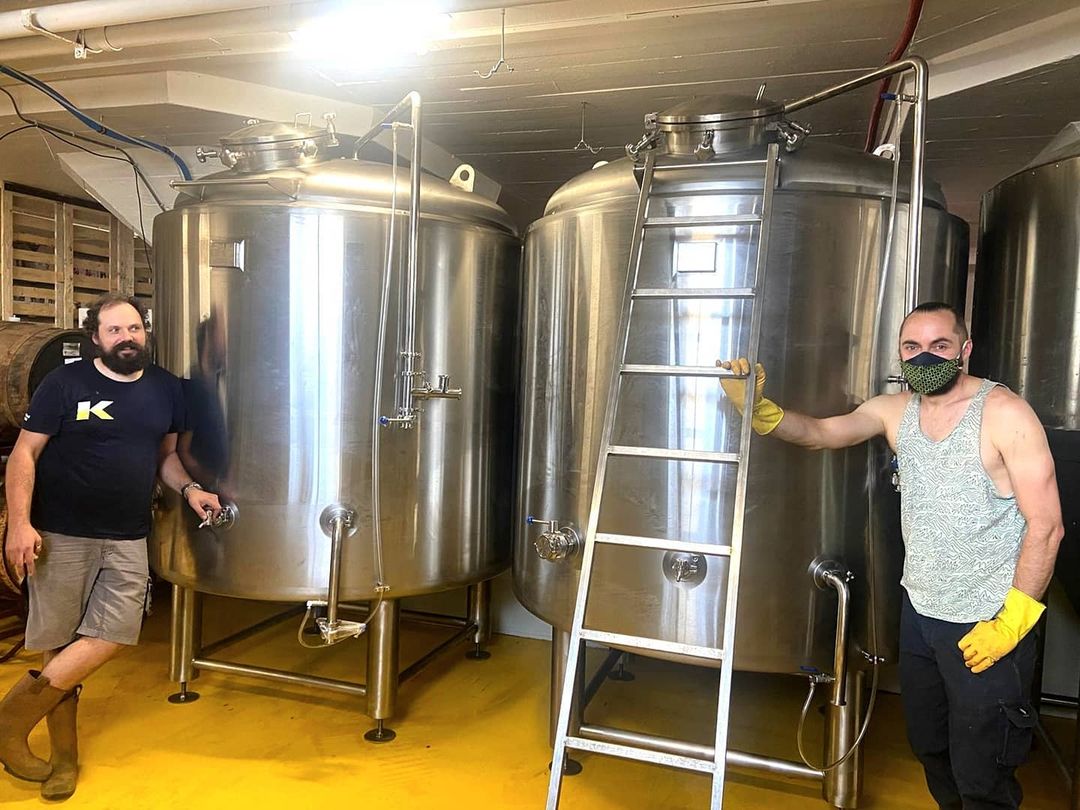
First of all, large-scale commercial beer brewing equipment has a heavy self-weight, and the bearing pressure doubles when fully loaded with materials. Ordinary original floors usually fail to meet bearing standards, requiring advance concrete reinforcement to prevent floor settlement and equipment tilt during long-term operation. Secondly, sufficient floor height and passage space must be guaranteed. Large fermentation tanks and mashing equipment are bulky, so it is necessary to check factory entrances, hoisting passages and floor heights in advance to ensure smooth equipment entry and installation. Many breweries have suffered huge losses from customized equipment that cannot be delivered on-site, forcing equipment cutting and factory reconstruction.
In addition, supporting infrastructure such as water and electricity supply, drainage, ventilation and sewage treatment must be upgraded synchronously. New-type automated commercial beer brewing equipment has higher requirements for power supply load and voltage stability, requiring advance power distribution system expansion. The brewing process generates a large amount of wastewater and waste gas, so complete drainage pipe networks and waste gas treatment equipment need to be equipped, and workshop ventilation systems optimized to prevent dampness and odor accumulation, ensuring compliance with safety production standards and a clean production environment.
4. Comply with Production Compliance Standards and Complete Environmental & Safety Upgrades
Brewery upgrade and renovation is more than simple equipment iteration; it requires synchronous implementation of the latest environmental protection, fire safety and food production safety regulations, which is the foundation for long-term stable operation of breweries. Many small and medium-sized breweries neglect compliance rectification during upgrades, failing environmental and safety inspections after renovation and being unable to put into production, resulting in heavy losses.
In terms of environmental protection, the latest pollution prevention and control policies for the beverage industry have clear requirements for wastewater, waste gas, noise and solid waste treatment in beer production. When upgrading commercial beer brewing equipment, it is recommended to support high-efficiency sewage treatment systems, low-nitrogen combustion equipment and waste gas collection devices. Meanwhile, adopt energy-saving new commercial beer brewing equipment with heat recovery functions, and optimize CIP cleaning processes and wort cooling heat recovery technology to reduce production energy consumption and pollutant emissions, fully meeting environmental acceptance standards.
In terms of safety, standard commercial beer brewing equipment produced by formal beer equipment manufacturers is equipped with safety protection systems such as pressure protection, over-temperature protection and emergency stop devices. During upgrades, it is necessary to synchronously improve workshop fire-fighting facilities, equipment grounding protection and pressure vessel testing, standardize pipeline layout, and eliminate potential safety hazards. All equipment must comply with food production hygiene specifications to prevent liquor contamination from inferior materials and ensure qualified product quality.
5. Complete Process Commissioning and Staff Training to Ensure Stable Production After Upgrades
Replacing brand-new commercial beer brewing equipment does not mean the completion of upgrades. Many breweries face problems such as inconsistent beer taste, unstable batch quality and unsatisfactory production capacity after upgrades, mainly due to inadequate process commissioning and operators’ unfamiliarity with new equipment. Commercial beer brewing equipment of different brands and models varies greatly in temperature control precision, mashing and filtration speed, and fermentation control systems, requiring optimization of original mature brewing processes to adapt to new equipment.
This highlights the value of professional beer equipment manufacturers. Premium suppliers arrange professional technicians to complete on-site equipment installation and precise commissioning, optimize equipment operating parameters according to the brewery’s product formulas and production capacity plans, adapt to original brewing processes, and ensure stable beer taste. Meanwhile, they provide systematic training for on-site operators, covering equipment operation, daily maintenance, troubleshooting, cleaning and disinfection, enabling staff to quickly master the operation of new commercial beer brewing equipment.
In addition, do not start full-load mass production immediately after upgrades. It is recommended to conduct 1-2 months of trial production, continuously monitor equipment operating status, beer quality and energy consumption data, troubleshoot minor faults and optimize process details, and launch full official production after stable operation of the entire production line.
6. Balance Equipment Cost Performance and Long-Term Maintenance to Control Upgrade Costs
Brewery upgrade is a long-term investment. It is inadvisable to only pursue low prices or blindly opt for top-tier equipment. Balancing cost performance and focusing on long-term maintenance maximizes upgrade benefits. Low-quality and cheap commercial beer brewing equipment has low upfront investment but high failure rates, high energy consumption and short service life. The subsequent high maintenance and replacement costs, as well as frequent production shutdowns, will cause greater losses.
Reliable beer equipment manufacturers recommend high-matching and cost-effective commercial beer brewing equipment based on the brewery’s budget and long-term development plans, without blindly promoting high-end equipment, while providing long-term maintenance services. Long-term equipment operation requires professional maintenance for tank preservation, pipeline replacement, control system upgrading and wearing parts replacement. A sound after-sales maintenance system greatly reduces equipment failure rates, extends the service life of commercial beer brewing equipment and cuts long-term operating costs.
Conclusion
In short, brewery upgrade is a systematic project, far more than simple equipment replacement. Every link is crucial, from pre-upgrade demand positioning and targeted selection of
commercial beer brewing equipment, screening of reliable
beer equipment manufacturers, to site adaptation, compliance rectification, process commissioning and long-term maintenance. Only by balancing practicality, compliance, stability and cost performance and avoiding various upgrade pitfalls can breweries achieve increased production capacity, optimized quality and reduced costs through upgrades, and maintain stable development in the fiercely competitive industry.