



RELATED
MESSAGE
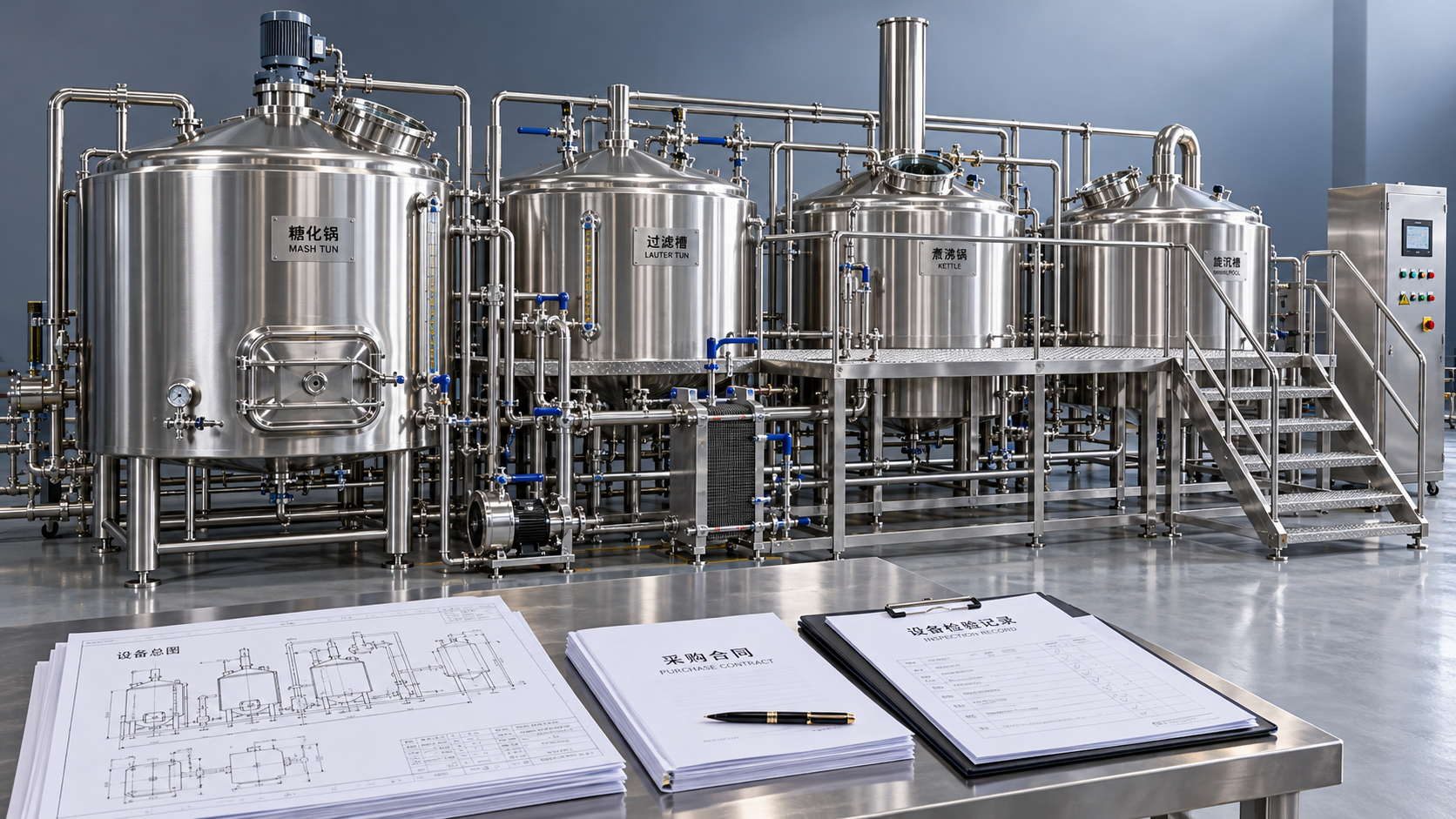
Commercial Kombucha Brewing Equipment — One-Stop Solution from Fermentation to Filling
Jan 07, 2026
With the continuous growth of the healthy beverage market, kombucha is gradually evolving from homemade brewing to commercial production.
Commercial kombucha brewing imposes higher requirements on the professionalism, stability and hygiene standards of equipment.
This article will introduce the equipment required for commercial kombucha brewing, helping producers quickly understand the complete production configuration.
I. List of Core Equipment for Commercial Kombucha Brewing
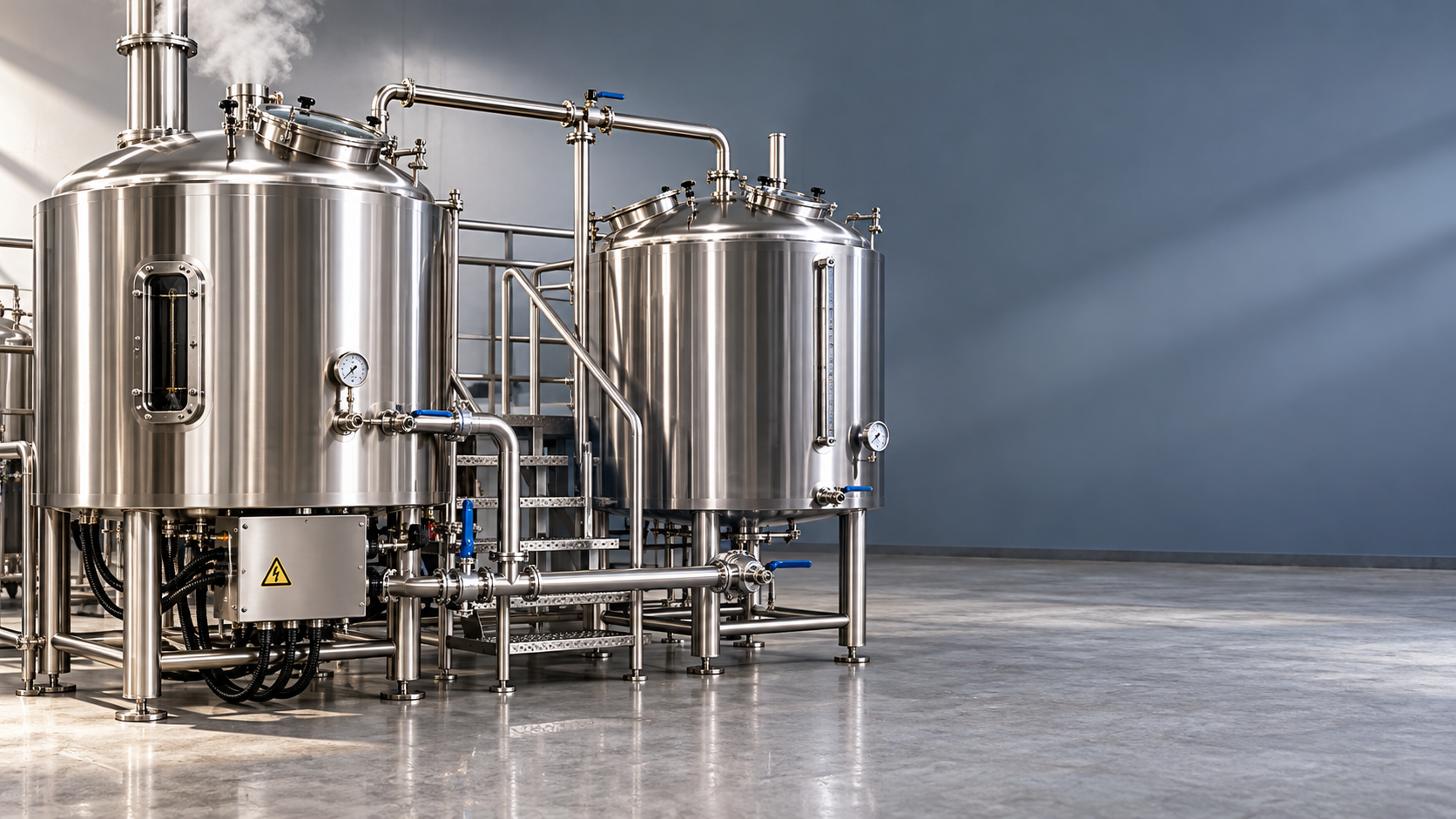
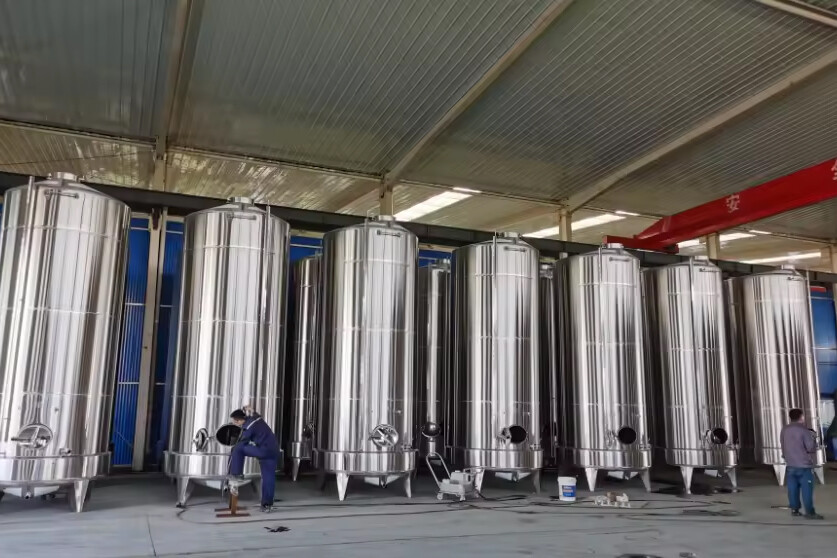
1. Stainless Steel Fermentation Tanks
Fermentation tanks are the core equipment for commercial kombucha production, usually made of food-grade 304 or 316 stainless steel. They have the following features:
- Acid-resistant and corrosion-resistant, suitable for long-term fermentation
- Can be equipped with temperature probes, sampling ports and exhaust valves
- Support parallel operation of multiple tanks to improve production capacity
- Compatible with CIP automatic cleaning systems
Common capacities: 500L/1000L/2000L/3000L and above.
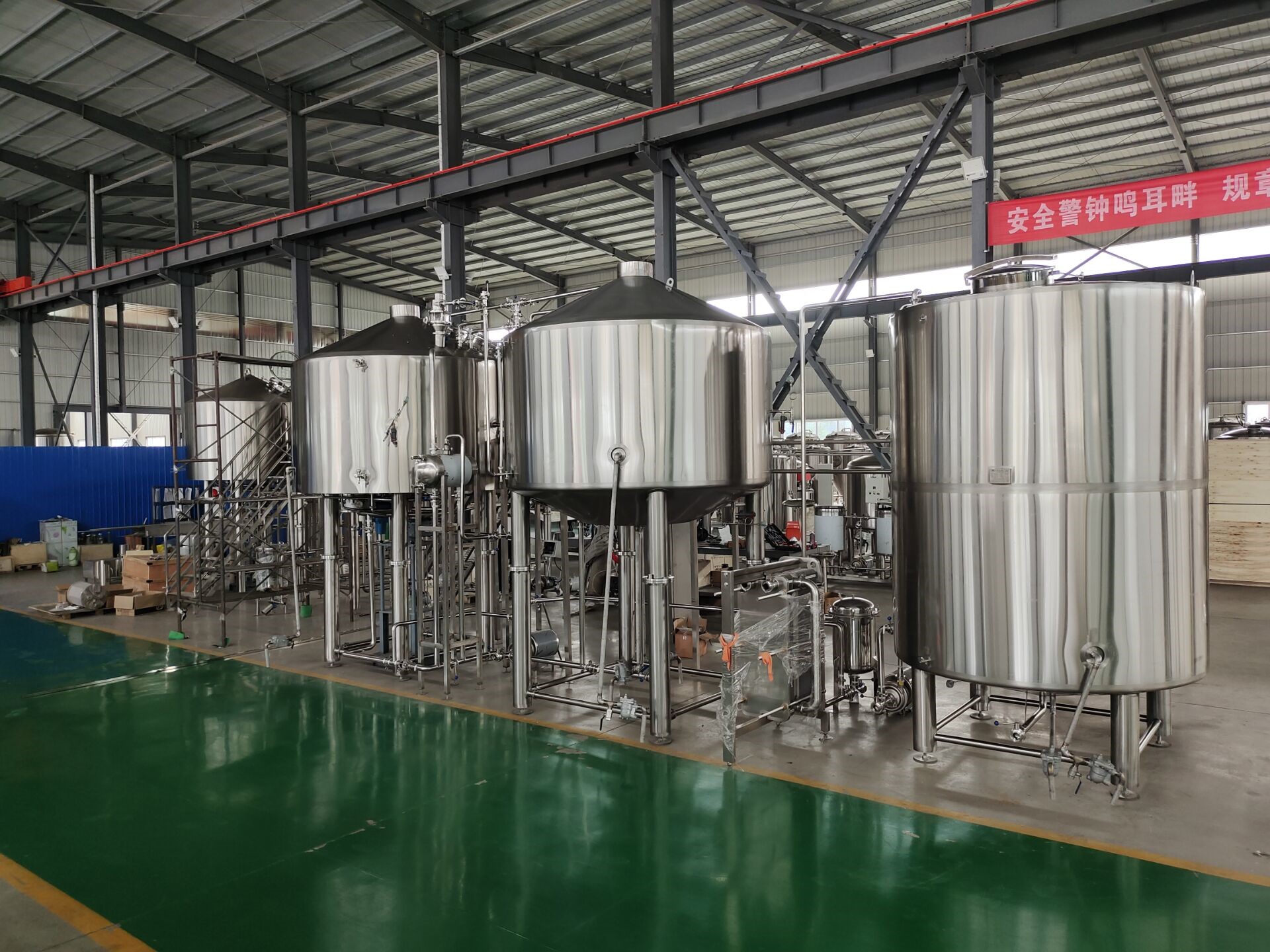
2. Tea Brewing and Mixing Equipment
Used for the preparation of sweet tea in the pre-process, including:
- Tea brewing tanks
- Sugar dissolving and mixing tanks
- Electric stirring systems
This process determines the consistency of the base flavor and is a crucial step that cannot be ignored in commercial production.
3. Temperature Control Systems
Kombucha fermentation is highly sensitive to temperature. Commercial production usually adopts:
- Water chillers/coolers
- Heating systems or heat exchangers
- PID automatic temperature control systems
A stable temperature control system can effectively improve fermentation success rate and reduce batch differences.
4. CIP Cleaning and Sanitizing Systems
In commercial settings, hygiene standards are directly related to brand compliance and product safety:
- Automatic circulating cleaning CIP systems
- Food-grade cleaning and sanitizing processes
- Reduce errors and contamination risks caused by manual cleaning
CIP systems are a "standard configuration" for large-scale kombucha factories.
5. Filtration and Clarification Equipment
To improve the consistency of product appearance and taste, commercial kombucha usually requires filtration:
- Bag filters
- Plate and frame filters
- Membrane filtration systems (selected according to product positioning)
Filtration can remove excess yeast, tea residues and suspended solids, making the finished product more stable.
6. Secondary Fermentation and Carbonation Equipment (Brite Tank)
Used to control carbonation and adjust flavor:
- Brite tanks
- Secondary fermentation tanks
- Forced carbonation systems (if required)
This equipment plays a key role before bottling or canning.
7. Filling, Sealing and Packaging Equipment
Efficient and stable packaging systems are indispensable for commercial sales:
- Semi-automatic/full-automatic filling machines
- Bottle cap or can sealing machines
- Automatic labeling machines
- Outer packaging and cartoning equipment
Equipment selection is usually determined by production capacity and packaging format (glass bottles, cans, barrels).
II. How to Select Suitable Commercial Kombucha Brewing Equipment?
When selecting commercial kombucha brewing equipment, focus on the following key points:
- Compliance with food-grade standards and local regulatory requirements
- Reliable stability of fermentation and temperature control systems
- Support for future production capacity expansion
- Convenience of cleaning and maintenance
A professional and scalable set of commercial kombucha brewing equipment can not only improve production efficiency, but also lay a solid foundation for the long-term development of the brand.
Our company can provide kombucha brewing equipment. Whether it is small-batch brewing for start-up workshops or industrialized production for large beverage factories, we can customize solutions according to your needs, and provide one-stop services including technical guidance, installation and commissioning, as well as after-sales operation and maintenance. Achieve efficient fermentation and worry-free production. Welcome to consult for equipment parameters and quotations!
MESSAGE