



RELATED
MESSAGE
What equipment do brewers use? A complete guide to
modern brewing equipment
1. Start with preparation: Equipment selection determines the starting point of brewing
Before water and malt are combined, and before yeast begins to ferment, brewers need to choose the right equipment based on their production needs.
For home brewers, the most common choice is the recommended home brew kits on the market, which are usually sold online or by some hardware store
brewing companies. They usually include:
Primary fermentation tanks (fermentation barrels or glass bottles)
Bottling barrels and taps
Bottles and caps
Cappers
Alcohol meters
Siphon equipment
Cleaning and disinfection supplies
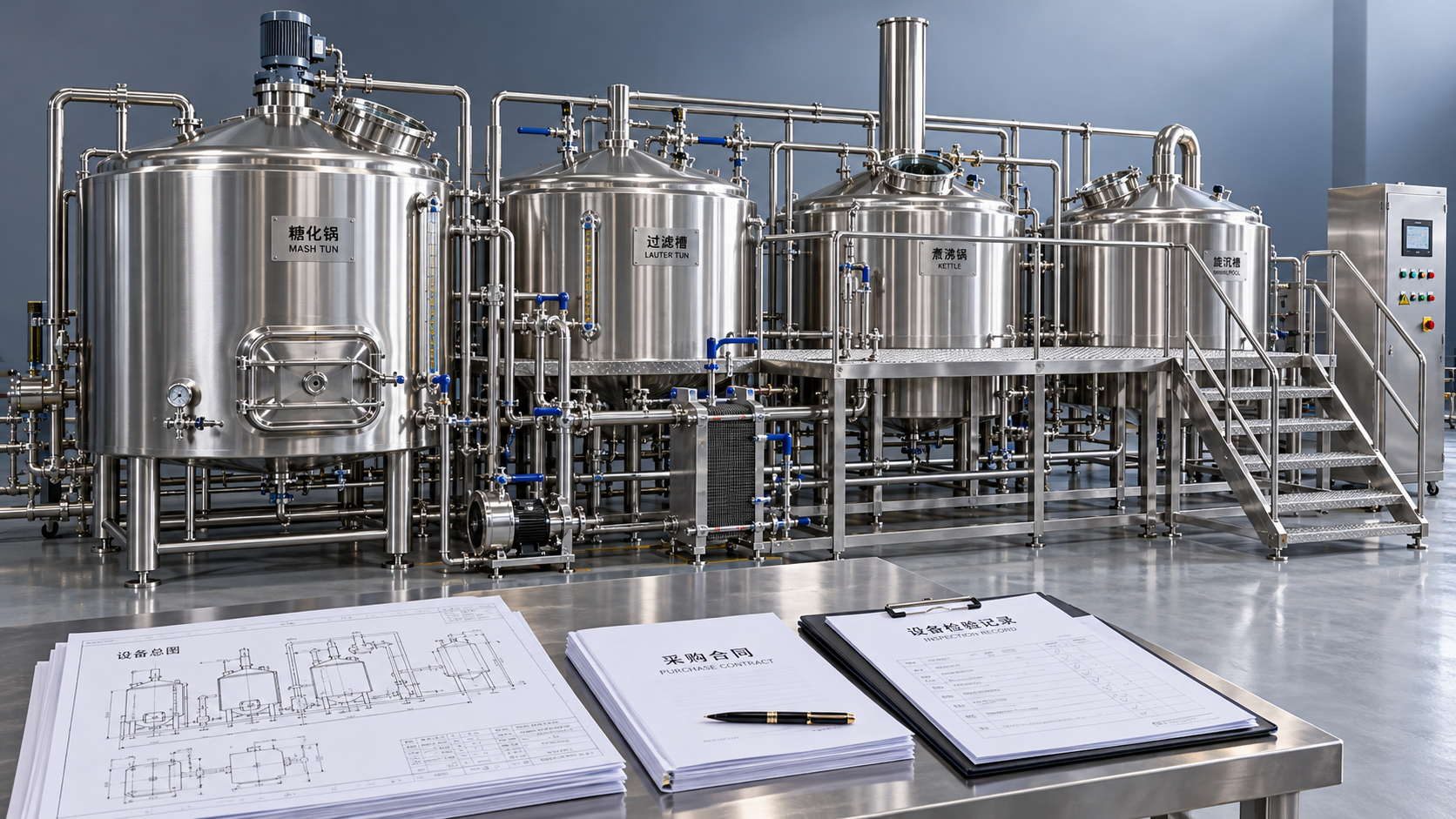
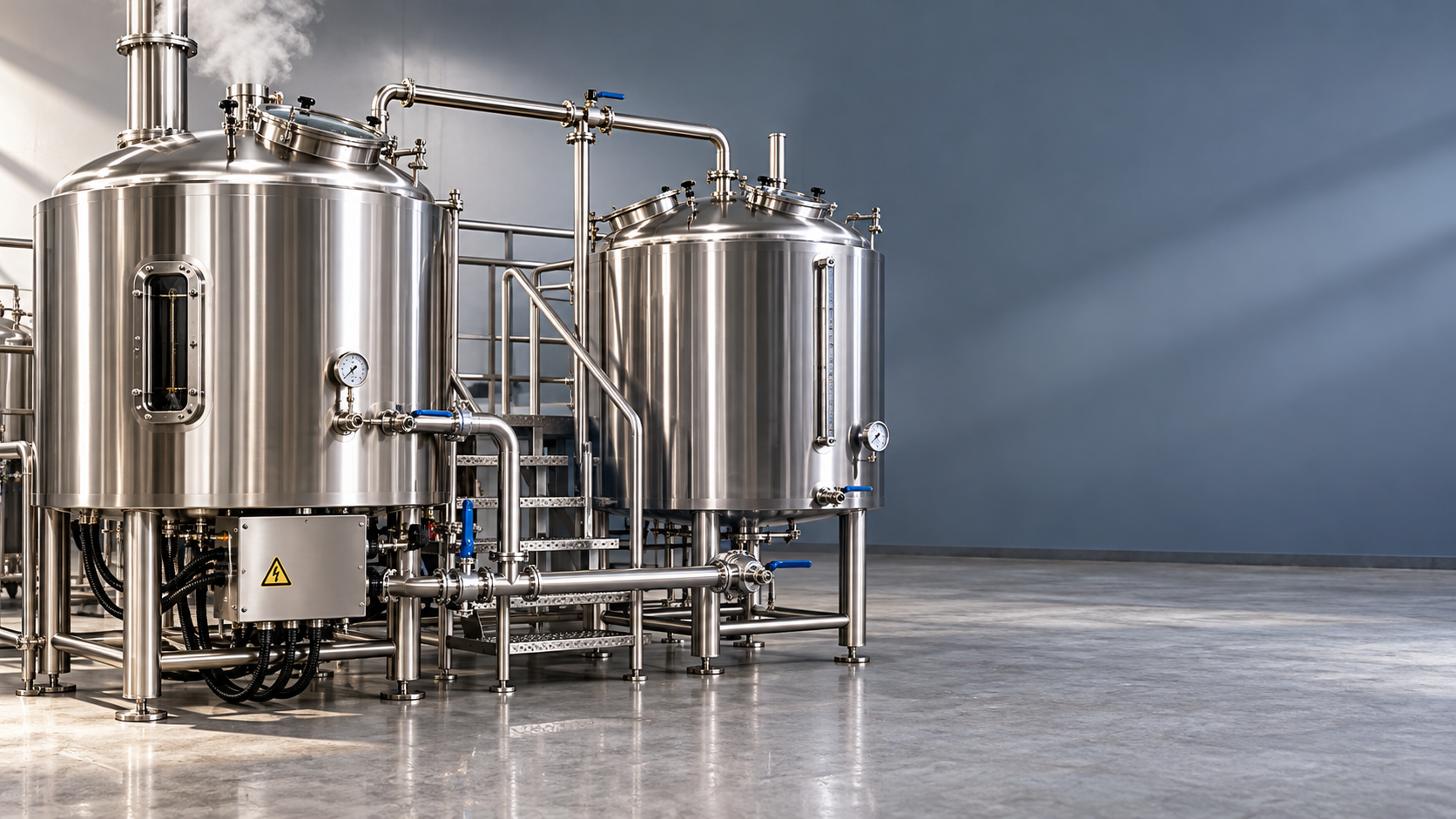
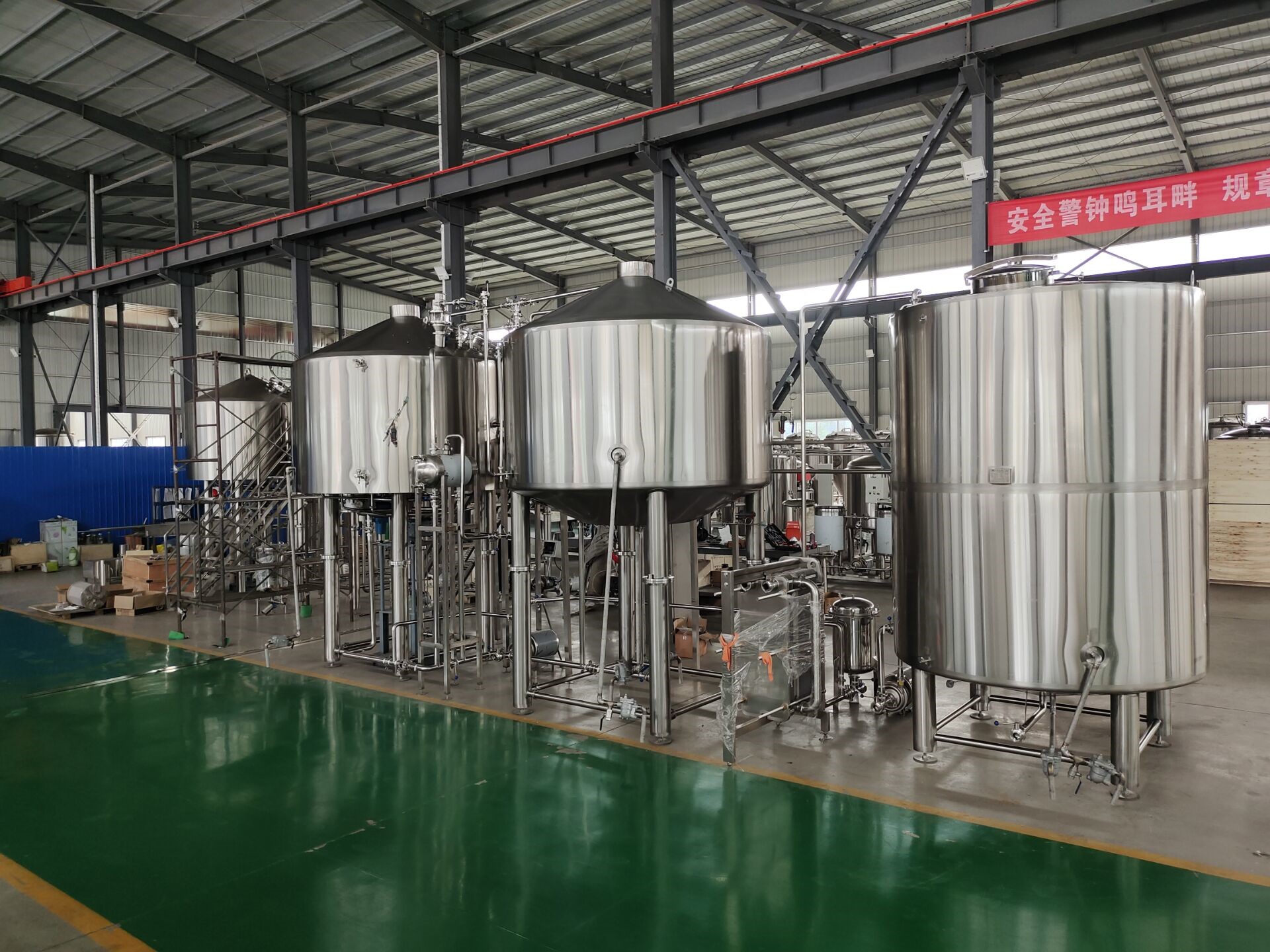
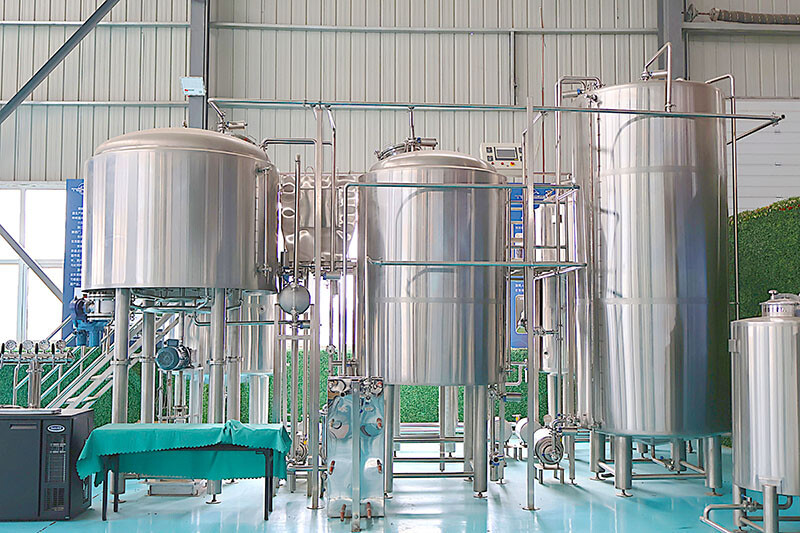
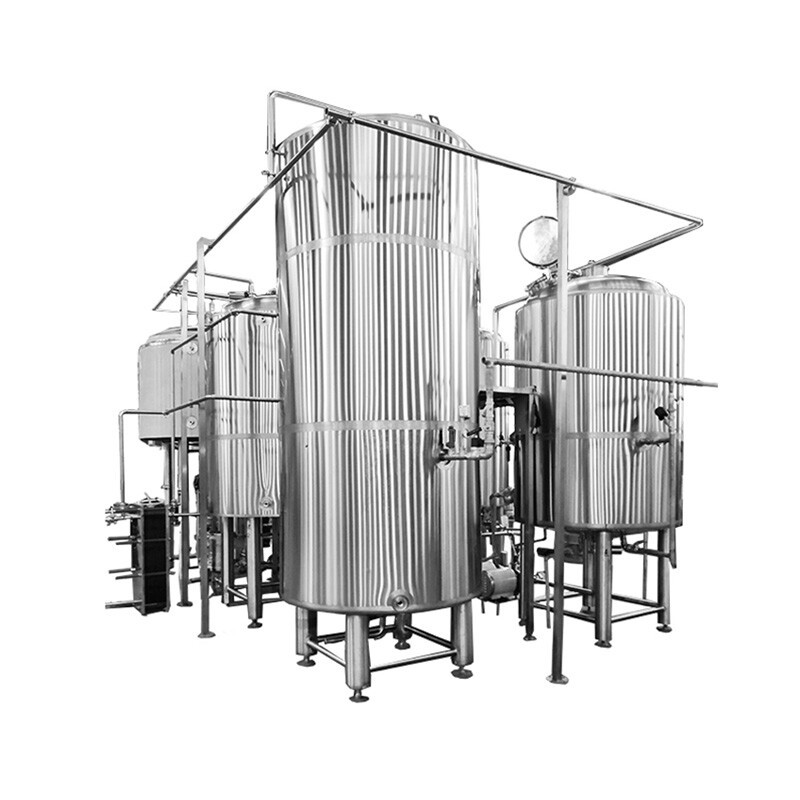
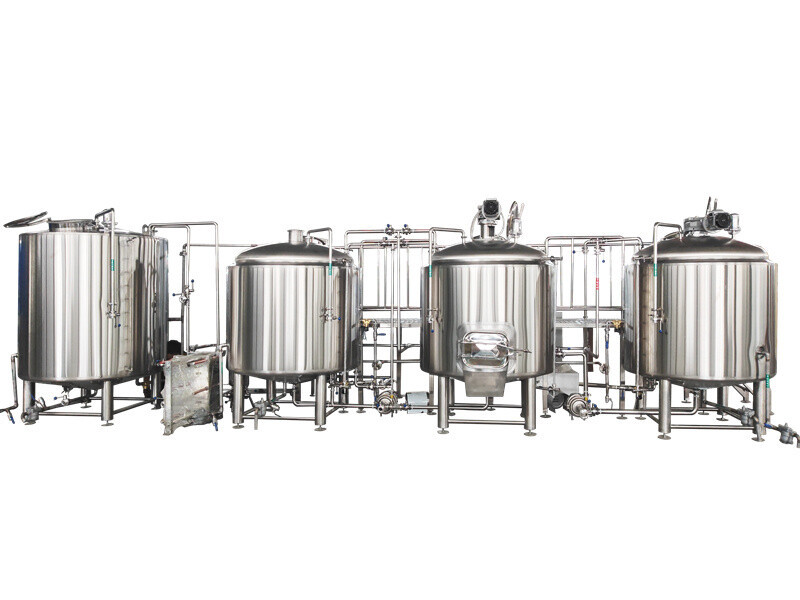
For professional brewers, industrial-grade brewers hardware is more preferred, including stainless steel fermenters, large mash tanks, filter tanks, brite tanks,
and cooling systems.
2. What are the core equipment for brewing?
Brewing a good beer requires a whole set of precision equipment, mainly including:
1. Mash Tun
Mix the crushed malt with water, where the saccharification reaction takes place to convert starch into fermentable sugars.
2. Boil Kettle
The saccharified wort is transferred to the boil kettle, where it is boiled and hops are added to bring bitterness and aroma.
3. Wort Chiller
The boiled wort needs to be cooled quickly to avoid contamination and retain the aroma of hops, which is an indispensable tool.
4. Fermenters
Made of stainless steel or food-grade plastic, for yeast to convert sugar into alcohol. Many home brewers will search online for "fermenting supplies near me"
or "equipment for making beer" for purchase.
5. Bottling and packaging equipment
Including siphons, saccharifiers, bottle caps and cappers, which are used for secondary fermentation and storage after fermentation is completed.
3. Professional-grade equipment: Advanced options for improving quality
For brewers who want to improve brewing quality or expand production scale, the following advanced equipment is very important:
Temperature control system
Craft beer is extremely sensitive to temperature. Modern equipment includes ice water systems or glycol cooling devices to accurately control fermentation
temperature.
Distillation equipment
In areas where the law allows, some brewers also dabble in distillation processes. They often search for "distillery supplies near me" to find related equipment,
such as distillation towers, condensers, etc.
Automation system
From digital control systems to fully automatic brewing equipment, technology has greatly improved brewing efficiency and consistency.
Packaging production line
For commercial-scale production, automated bottling, labeling and packaging systems greatly save labor costs.
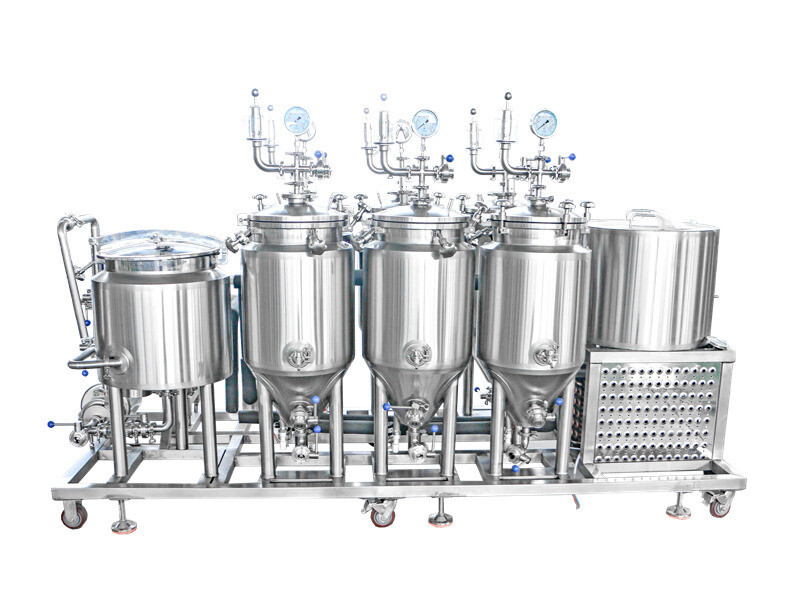
4. Home brewing kits: Novices can also easily get started
Home brewing culture is becoming more and more popular, and the popularity of beer making kits for beginners has made it easy for many people to get
started.
Common recommended home brew kits** include:
Beginner kits using malt extract (suitable for beginners)
Intermediate kits for partial malt saccharification (increased control)
All-grain saccharification kits (for advanced brewers)
These kits are often purchased from brewing equipment stores, craft beer bars, or hardware store brewing companies.
Tips: When purchasing a kit, pay attention to whether it comes with cleaning supplies, complete instructions, and reusable parts.
5. Wine brewing equipment should not be ignored
Wine brewing is not limited to beer, and wine brewing also requires exclusive tools. Typical wine brewing supplies include:
Primary fermentation barrels
Glass secondary fermentation bottles (Carboys)
Wine-specific yeast and additives
Siphons and automatic siphons
Bottles and corks
Alcohol meters and pH testers
Although the processes are different, they also require strict disinfection and precise control of fermentation and bottling processes.
6. Analysis of Brewing Equipment Procurement Channels
Brewers usually purchase equipment from the following channels:
Online stores: such as Amazon or independent equipment platforms, suitable for bulk and entry-level tool purchases
Local home brewing stores: Many people will search for "fermenting supplies near me" to obtain offline resources
Crafted The Beer Store: This type of brand provides professionally selected brewing tools and ingredients
Brewer Quilting & Sewing Supplies: Although it sounds unrelated to brewing at first glance, some brewing brands will provide derivative supplies such as
customized aprons, fermentation cloths and branded cloths
Finding a reliable brewer's supplies supplier is a key step in ensuring brewing quality and food safety.
7. Craft Brewed: Not just a label, but also a concept
"Craft Brewed" is not only a marketing term, but also a brewing philosophy. It emphasizes small batches, high quality, experimental spirit and innovative
aesthetics. The selected equipment is the materialization of this spirit.
A true craft brewer may not have much equipment, but he must be professional:
Durable and well-sealed fermentation equipment
Clean and residue-free transfer lines
Accurate and reproducible measuring tools
Whether you are brewing 10 liters in the kitchen or 500 liters a day in the brewery, every piece of equipment is part of the brewing story.
8. Some suggestions for beginners
If you are preparing to step into the world of brewing, you might as well remember the following points:
Start with a kit. The best home beer brewing kit on the market can avoid the mistakes caused by assembling from scratch.
Buy the right equipment. High-quality stainless steel or glass equipment is durable.
Disinfection is paramount. Cleanliness is the prerequisite for good wine.
Ask more questions. Join local or online brewing communities, or go directly to hardware store brewing companies for professional advice.
The most important thing is: stay passionate and keep learning. Brewing is both science and art.
Conclusion: Equipment is the cornerstone of successful brewing. Whether you are attracted by the charm of Craft Brewed, want to get involved in winemaking,
or plan to explore distillation, equipment is always the first step to high quality. From entry-level beer beginner kits to professional brewer equipment,
choosing the right tools is the key to every brewer's success. Embark on the brewing journey now and start your own flavor story.
MESSAGE