



RELATED
MESSAGE
If you’re getting ready to launch a craft brewery or upgrade your existing setup, picking brewing equipment is one of your biggest decisions. I’ve spoken with many new brewery owners over the years, and quite a few told me they ran into avoidable issues early on. A lot of problems come down to rushing the purchase or only shopping around for the lowest price.
Working with the right beer brewing equipment manufacturer makes all the difference. Cheap‑priced units might look good at first glance, but poor‑quality build, bad welds or weak after‑sales support can hold your whole production back for years. Below I’ve put together some real‑world points you should think through before you place any order.
Figure out your actual capacity needs first
Many new buyers give a very wide capacity range at the start, just like early‑stage project planners often do. Think about your real‑world output, not just a theoretical maximum. Ask yourself how much beer you plan to brew each batch right now, and also leave room for future growth.
Don’t overbuy a huge system you cannot fill, and also avoid buying something too small that you will need to replace in one or two years. Talk through your business plan with your supplier, a reliable beer brewing equipment manufacturer will listen and suggest a sensible setup instead of pushing you toward the most expensive model.
Pay close attention to material and build quality
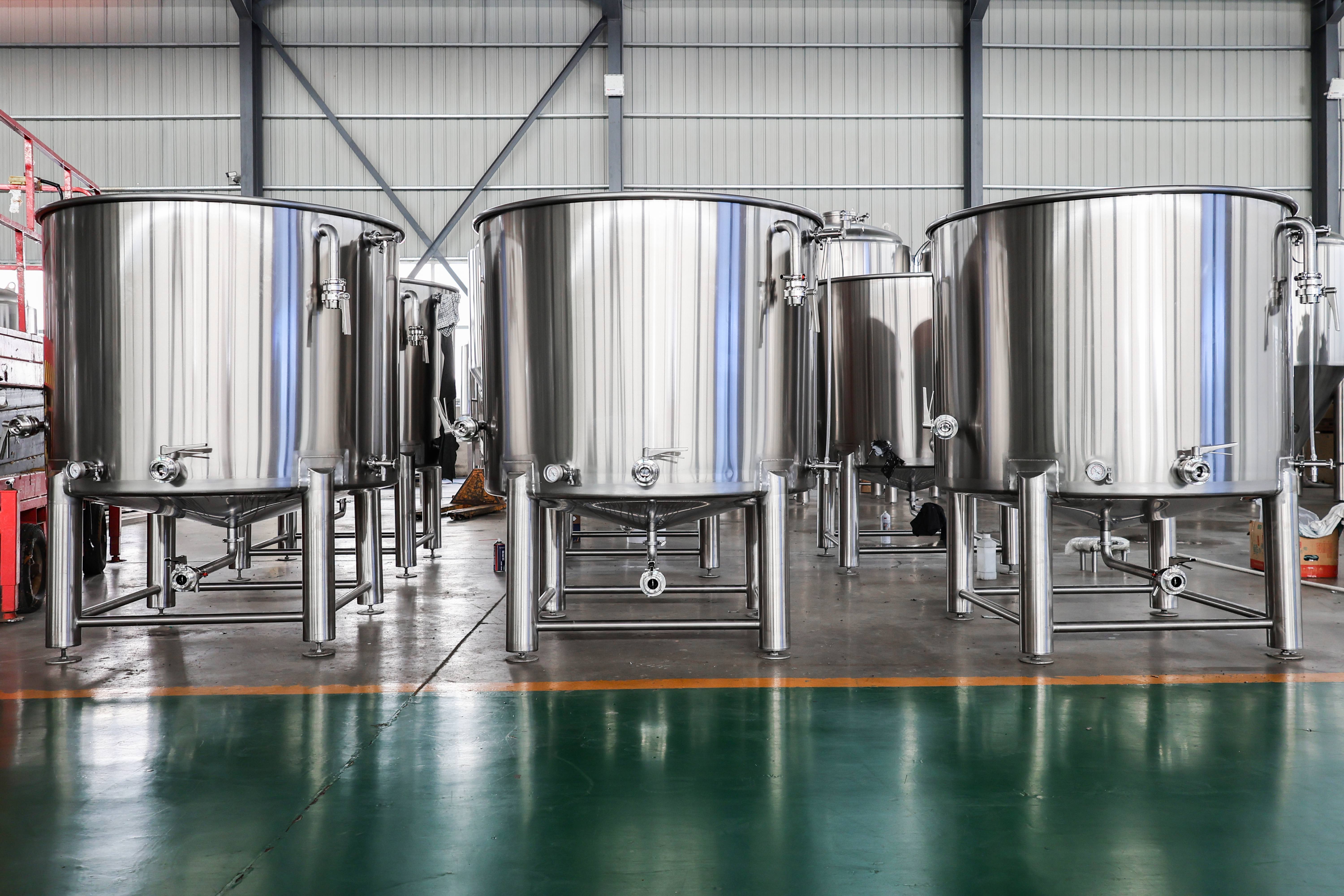
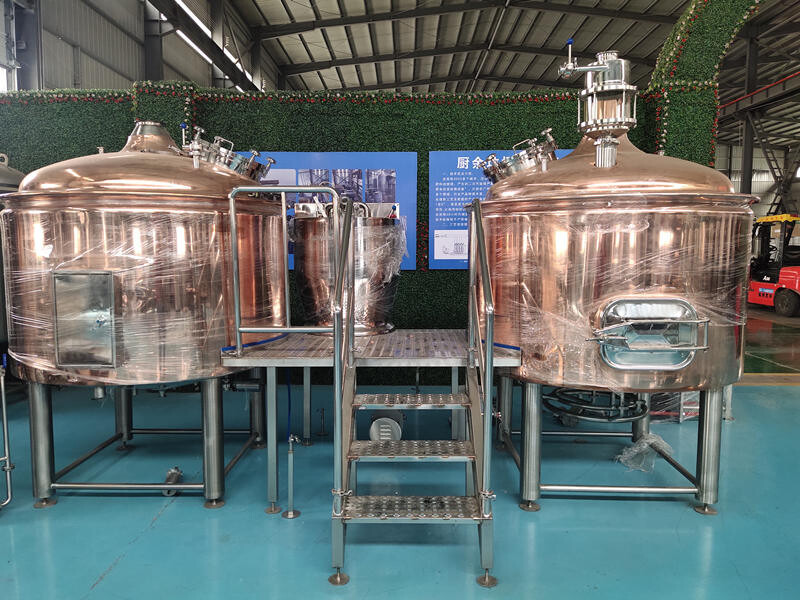
Almost every supplier says they use stainless steel, but not all stainless steel is the same. For beer contact surfaces, 304 food‑grade stainless steel is the industry standard. You should double‑check material specifications before confirming your order.
Take time to ask about welding and surface finishing. Rough, uneven welds are trouble. They are hard to clean properly and risk bacteria build‑up, which will ruin your beer batches. If you can, ask your beer brewing equipment manufacturer for real‑life photos from their finished projects, not just polished render images. Seeing equipment running at existing breweries gives you far better reference.
Clarify what is included in your package
This is where misunderstandings happen most often. Some suppliers quote only the brewhouse tank set. Fermenters, cooling units, control panels, piping, valves, installation guidance may all be extra charges that are not listed in the initial quote.
Before you accept any offer, go item by item through the quotation. Confirm exactly what you get, and what you need to source separately. Know whether they provide drawings for your factory layout. Good manufacturers will supply layout drawings so you can prepare your workshop space, floor drainage and power supply in advance.
Ask about certification, shipping and lead time
If you are selling beer in EU markets, you need to confirm compliance requirements. Talk openly with your beer brewing equipment manufacturer about which certifications you require.
Shipping and production lead time should also be clear from the very beginning. Custom brewery systems take time to build. Do not assume fast delivery. Get a realistic production schedule in writing. Also check who takes care of freight, port costs and import documents. Unexpected extra fees can blow up your whole project budget.
Don’t overlook after‑sales and technical support
Brewery equipment is long‑term industrial gear. Even well‑built systems will need maintenance from time to time.
Find out what kind of support you will receive after delivery. Will the beer brewing equipment manufacturer offer remote technical guidance? Can they give troubleshooting support when something goes wrong on‑site? Spare‑part availability matters a great deal too. Avoid suppliers that disappear once the goods leave the factory.
Final thoughts
Buying beer brewing equipment is a big investment for any new brewery. Resist the urge to jump at the lowest price you find. Spend time communicating, check real project cases and compare full‑package offers. A trustworthy beer brewing equipment manufacturer does not only sell you tanks; they help you lay a solid foundation for your brewery business.
If you have questions about your coming project, feel free to reach out to us.
MESSAGE