



RELATED
MESSAGE
What containers do breweries use? One article to understand
Whether it is a commercial brewery in operation or a micro-brewery project that is about to start, understanding the various containers used in the beer production process is the first step to start high-quality brewing. Every link of beer, from saccharification, fermentation to storage, requires specific equipment to cooperate. Reasonable configuration can not only increase production capacity, but also improve the flavor and stability of the beer.
1. Saccharification link: the starting point of beer containers
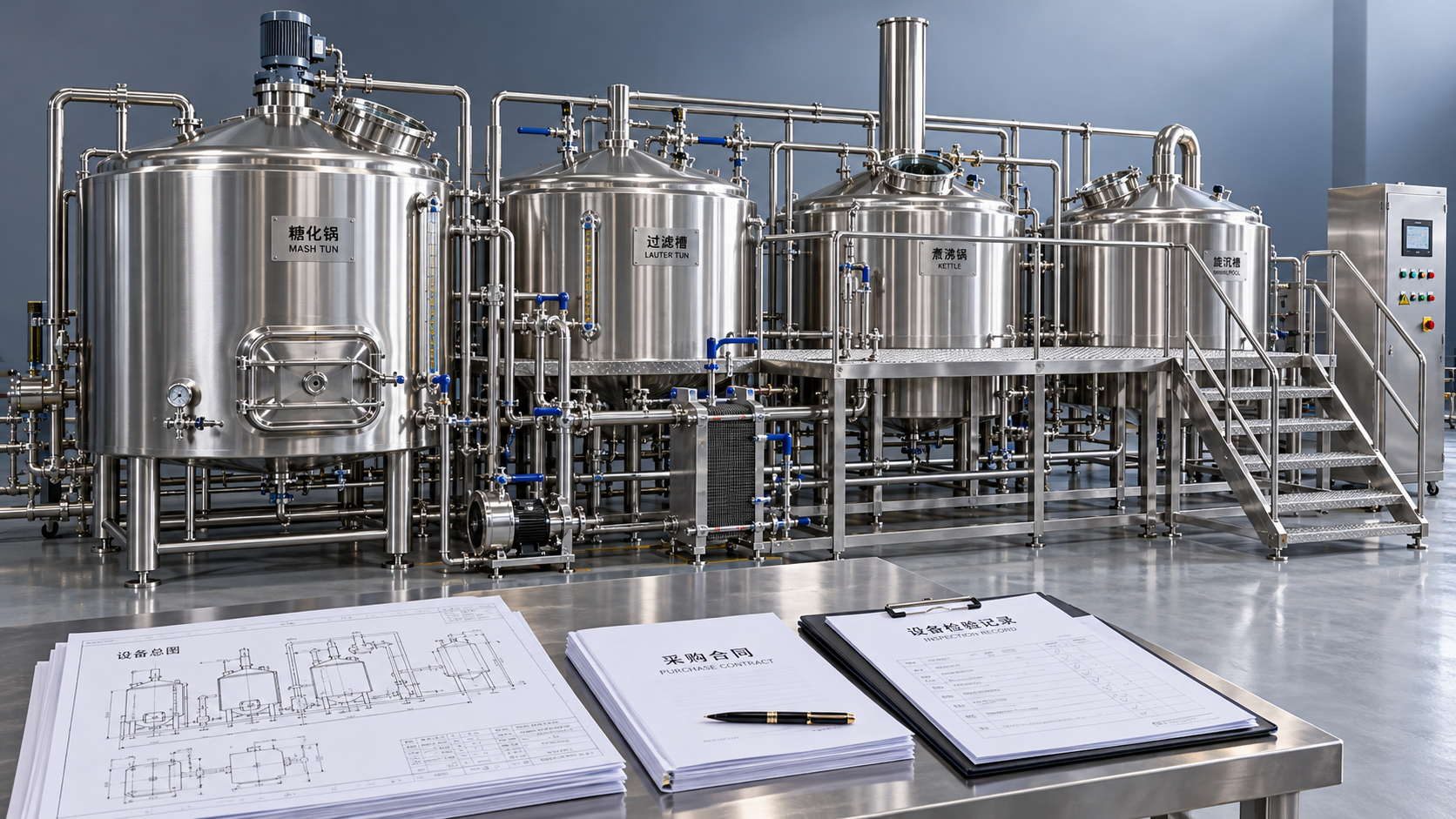
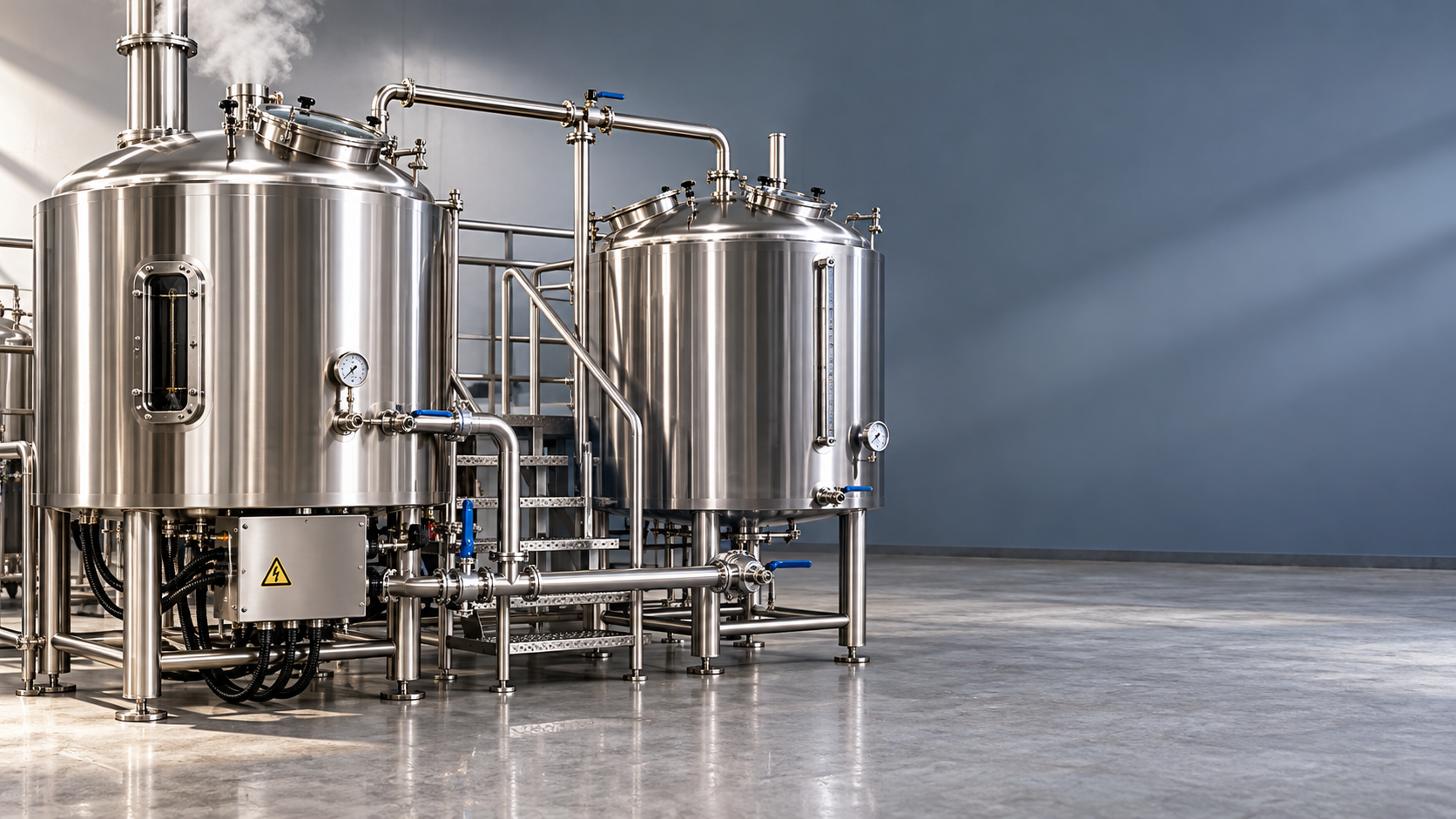
The first step of beer brewing is to start with malt saccharification. This process requires a set of core containers to complete:
Malt crusher: Although it is not a container, as a pre-treatment equipment, it crushes the whole malt to prepare for subsequent saccharification.
Mash Tun: Mix the crushed malt with hot water to decompose starch into fermentable sugar at a set temperature.
Lauter Tun: Used to separate saccharification liquid and malt residue. In some equipment, saccharification and filtration share a tank.
Kettle: Hops are added at this stage for boiling to release bitterness and aroma, and play a sterilizing role.
Whirlpool: allows the boiled wort to settle quickly, separating hops and protein clots.
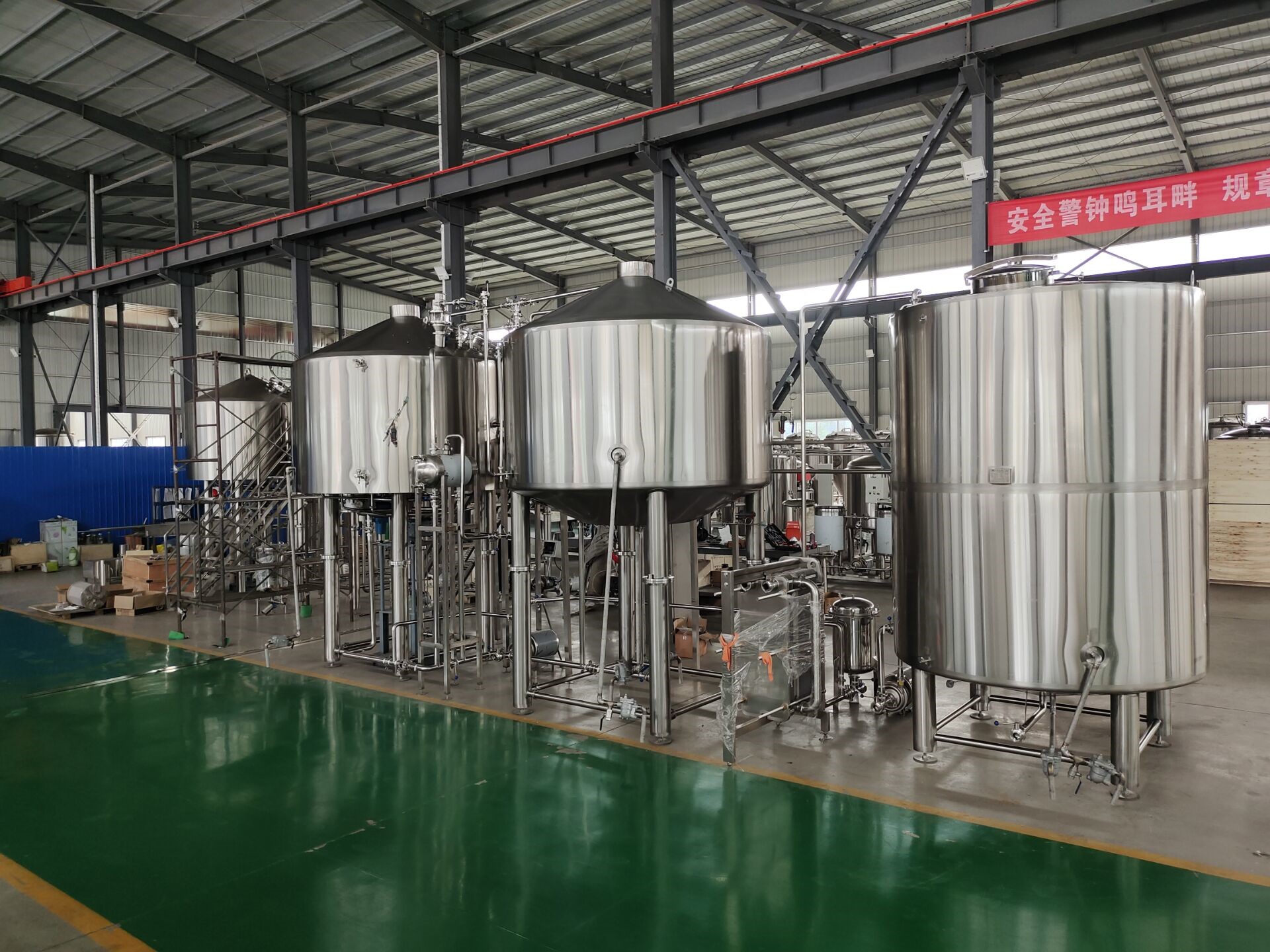
This system is sometimes integrated into an "all-in-one machine" or "two-body saccharification system". Common names on the market include: beer brewing machine, simple machine brewing company system, best home beer brewing kit, etc., which are suitable for entry-level craft brewers and small and medium-sized workshops.
2. Fermentation: The key stage of flavor and stability
After saccharification, the wort needs to enter the fermentation tank for yeast culture and alcohol production. Common fermentation containers include:
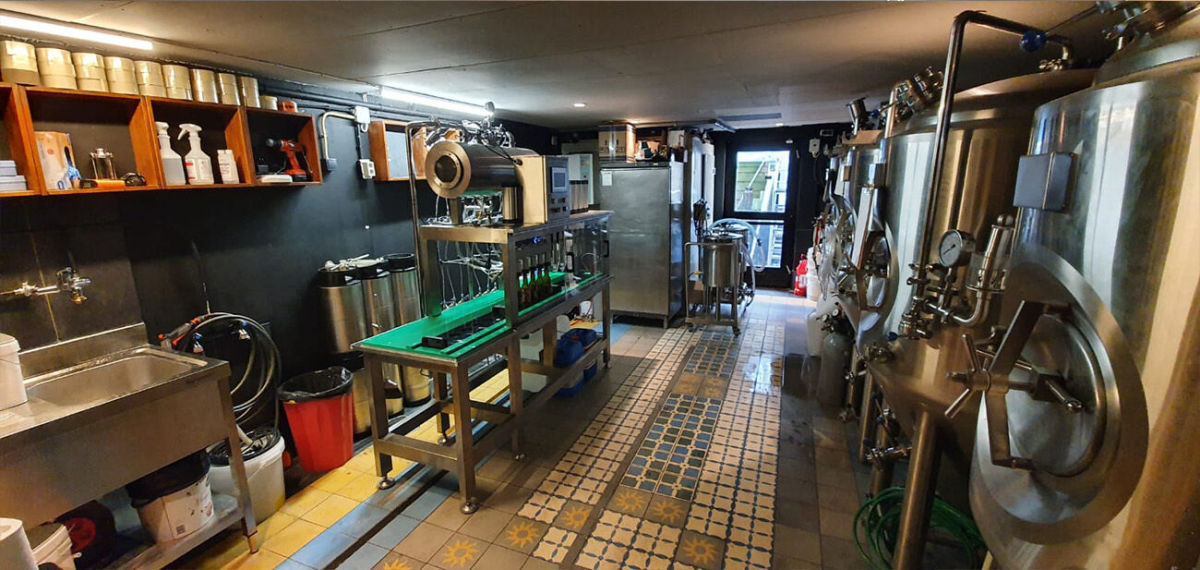
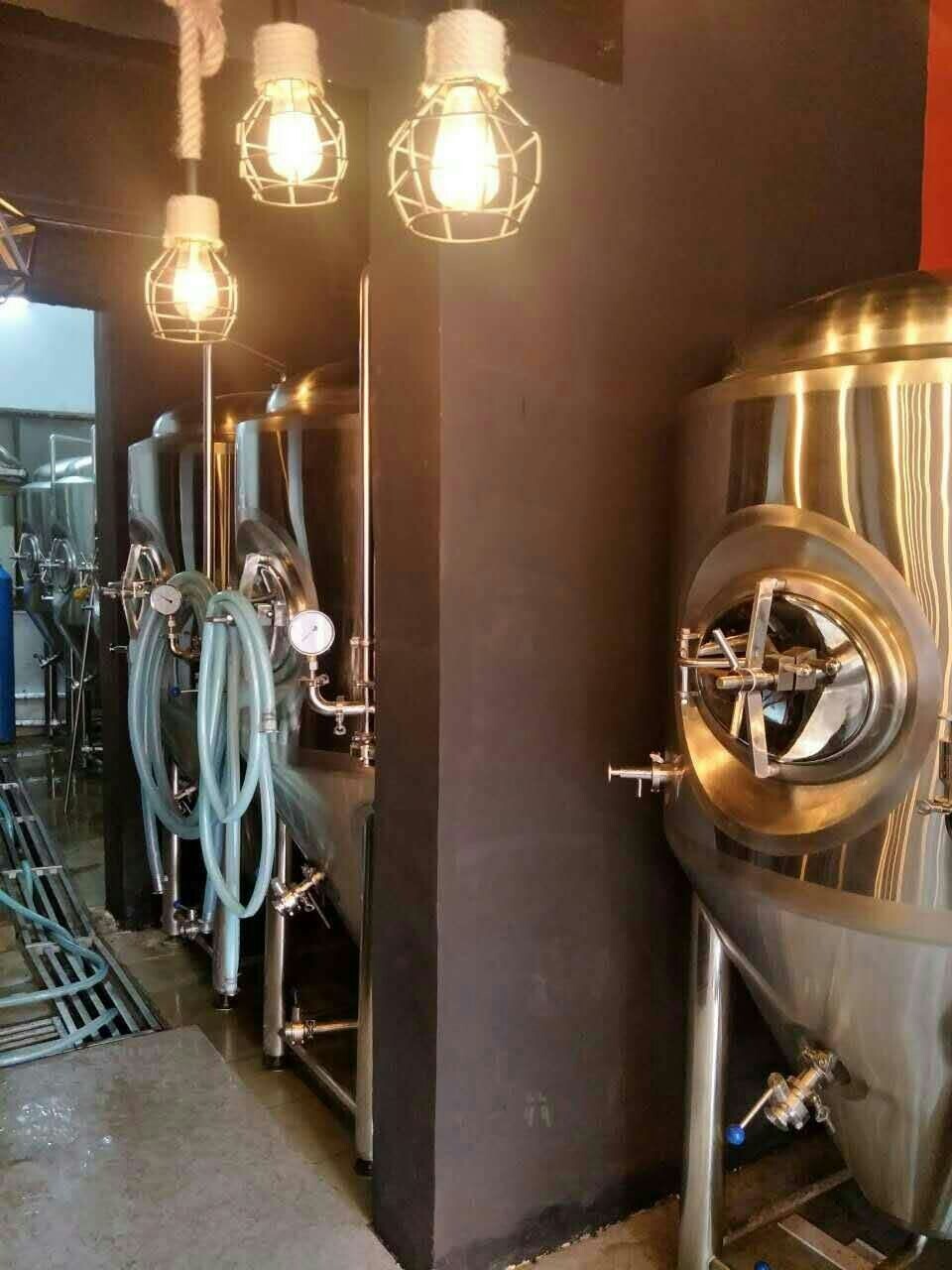
Stainless steel conical bottom fermentation tank (Conical Fermenter): widely used in professional breweries, with a conical bottom to facilitate the sedimentation and discharge of yeast and sediment.
Cylindrical fermentation barrel: used for small batch brewing or experimental beer, sometimes used for special fermentation methods.
Pressure fermentation tank: supports fermentation in a closed pressure environment, suitable for retaining more natural carbonic acid.
Temperature controlled fermentation system: usually comes with a cooling jacket, which can be connected to a cooling circulation system to accurately control the temperature.
Many fermentation vessels also support the addition of sampling valves, cleaning balls, temperature sensors and CO₂ stones for subsequent carbonation operations. Some containers also have good scalability and are suitable for the production of beverages in multiple scenarios such as kombucha, fruit wine, and tea fermentation.
3. Maturation and sake: creating clarity and taste levels
After fermentation, the beer needs to be matured (i.e. aged) to achieve a more balanced flavor. The following containers are usually used:
Brite Beer Tank: used to further clarify, stabilize, and carbonate the beer in preparation for bottling, filling or barreling.
Carbonation Stone: used with gas injection to achieve precise carbonation, can be assembled in fermentation tanks or sake tanks.
Maturation Tank: sometimes combined with sake tanks, sometimes as a stand-alone device, for longer refrigerated maturation.
The core of this stage is to control temperature, pressure, and avoid contamination, so the container material must be food-grade stainless steel, with a polished inner surface and CIP (cleaning in place) function.
4. Beer dispensing and display: the last step from can to cup
The final destination of beer is the drinker's cup. The containers and equipment at this stage reflect the importance of "user experience":
Beer Tap: a common beer tap device in bars and craft breweries, connected to a fermentation tank or barrel.
Dispenser Beer Tower: used for multi-way beer dispensing, installed on the bar.
Draft Beer Machine: a compact machine with built-in cooling and pressurization system, suitable for home, party and other occasions.
Beer Dispenser Machine: a general term for beer dispensing equipment in a broad sense, supporting bottle, barrel or keg connection.
Perfect Draft Machine / Home Draft System: suitable for home use, with increasing search popularity in recent years.
Beer on Tap for Home / Draft Beer at Home: forming a complete home draft beer experience system.
Through different equipment combinations, you can build a "self-use draft system" ranging from 20L to 500L to meet the needs of different scenarios.
5. Recommended equipment combinations for different demand scenarios
Different scales and usage scenarios require different container systems. Here are some common configuration ideas:
Home brewing type
50-100L saccharification pot + small cylindrical fermentation barrel + mini draft system
Keywords: beer on draught at home, best home microbrewery kit
Catering and pub type
300-500L two-vessel saccharification system + cone bottom fermentation tank + open wine tank + beer tap tower
Keywords: beer tap system, dispenser beer tower, draft beer dispenser for home
Commercial microbrewery type
1000L or more full brewline + multiple fermentation units + constant temperature cooling + CO₂ supporting system
Keywords: beer brewing machine, beer keg dispenser, industrial beer brewing system
The combination configuration is based on local conditions. It is recommended to make decisions based on production targets, available area and staffing.
6. Practical operation suggestions: daily management of brewing containers
After selecting the container, how to use and maintain it scientifically also determines the stability of subsequent product quality. The following suggestions are worth referring to:
Regular cleaning and disinfection: All containers that come into contact with wort or wine should have CIP cleaning function.
Temperature control system maintenance: Especially for equipment with cooling jackets, the water pump, coolant pipeline and insulation layer should be checked.
Reasonable exhaust and pressure relief: Fermentation tanks and wine storage tanks should be equipped with safety valves and exhaust ports to prevent excessive pressure.
Record and track: Establishing records of temperature, pH and sugar content changes will help improve the formula in the long term.
7. Market trends
Customers can use local search tools to query local or seasonal popular brewing products and brewing parts.
Home user preferences:
"beer on tap at home", "perfect draft machine", "best home beer brewing kit"
Commercial customer preferences:
"beer dispenser machine with cooling", "draft beer machine for restaurant", "beer brewing machine industrial"
Installation and technology:
"CO2 system for draft beer", "beer tap system installation guide", "how to clean beer tap tower"
Always grasping the direction of the market can lay the foundation for your own brewing journey.
8. Conclusion: Beer containers connect the entire brewing chain
From a grain of malt to the foam in the glass, each container plays an irreplaceable role. They are not only production tools, but also the determining factors behind the flavor of beer. Whether you want to get started with home brewing or are building a micro-brewery, I hope this article can help you have a clearer understanding of the overall picture of beer containers.
MESSAGE