



RELATED

MESSAGE
Why Did My Beer Fermentation Fail? Common Problems and Practical Solutions
With the booming brewing market and rapid advancements in equipment, homebrewing and small-scale commercial brewing have reached an all-time high. From the best beer brewing kits to professional beer making equipment, brewers of all levels can now access advanced systems like the 1 bbl brewing system, electric brewing system, and compact tools such as the little machine brewery.
However, no matter how modern your equipment is, fermentation can still go wrong — preventing you from creating the beer flavor you originally desired, even with the best tools available.
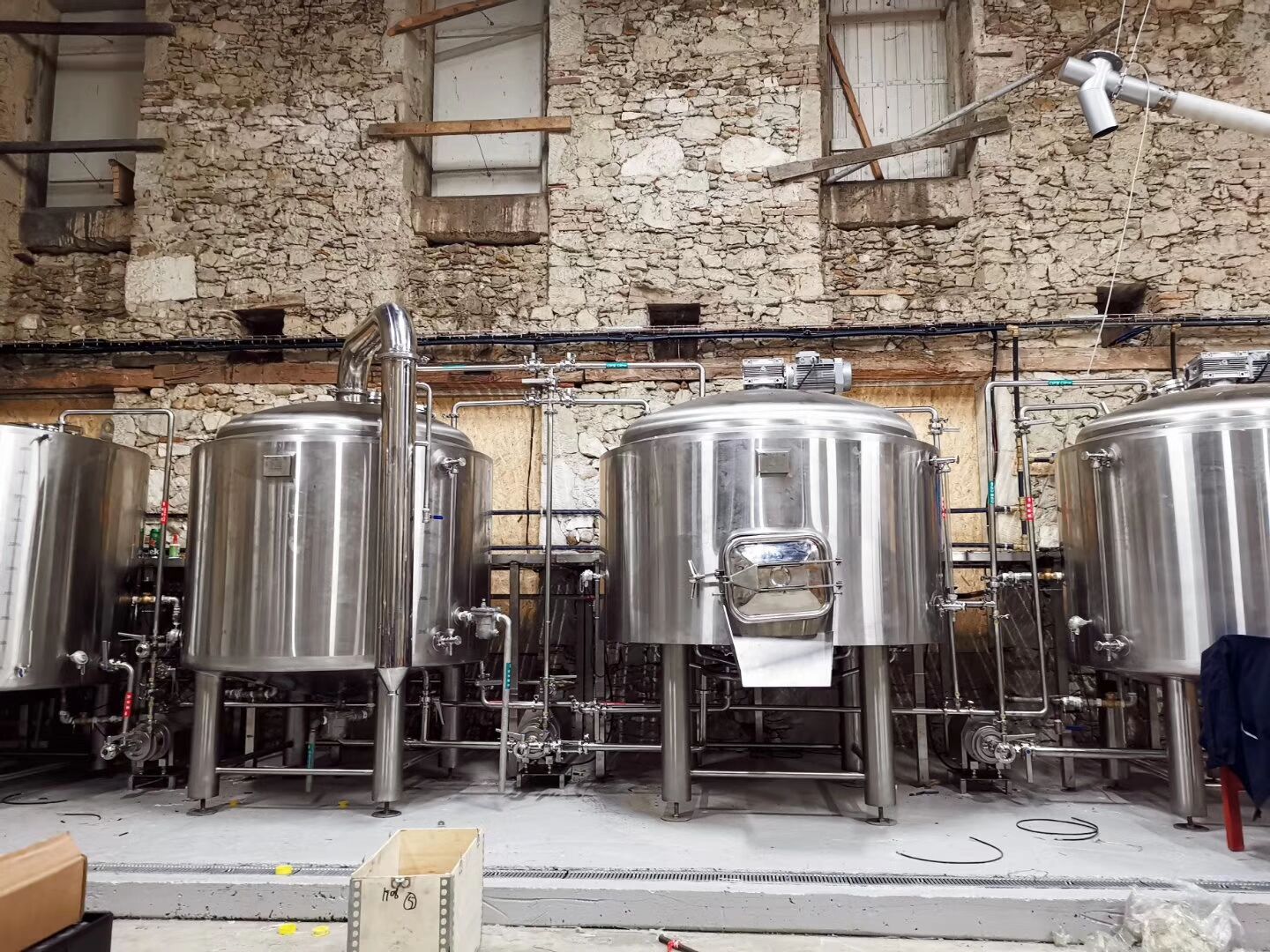
In this article, we’ll explore the most common reasons for beer fermentation failure, practical solutions, and how to choose the right stainless steel brewing equipment, monitoring methods, or systems like the 7bbl brewhouse or nano brewery equipment to avoid issues from the start.
1. Temperature Too High or Too Low
Fermentation temperature inside your beer brewing system is critical. If it’s too low, the yeast becomes inactive; if it’s too high, it may produce off-flavors or even die.
Solution:
Use a hot and cold brew system, a temperature-controlled fermentation room, or a home beer brewing system with built-in heating and cooling features.
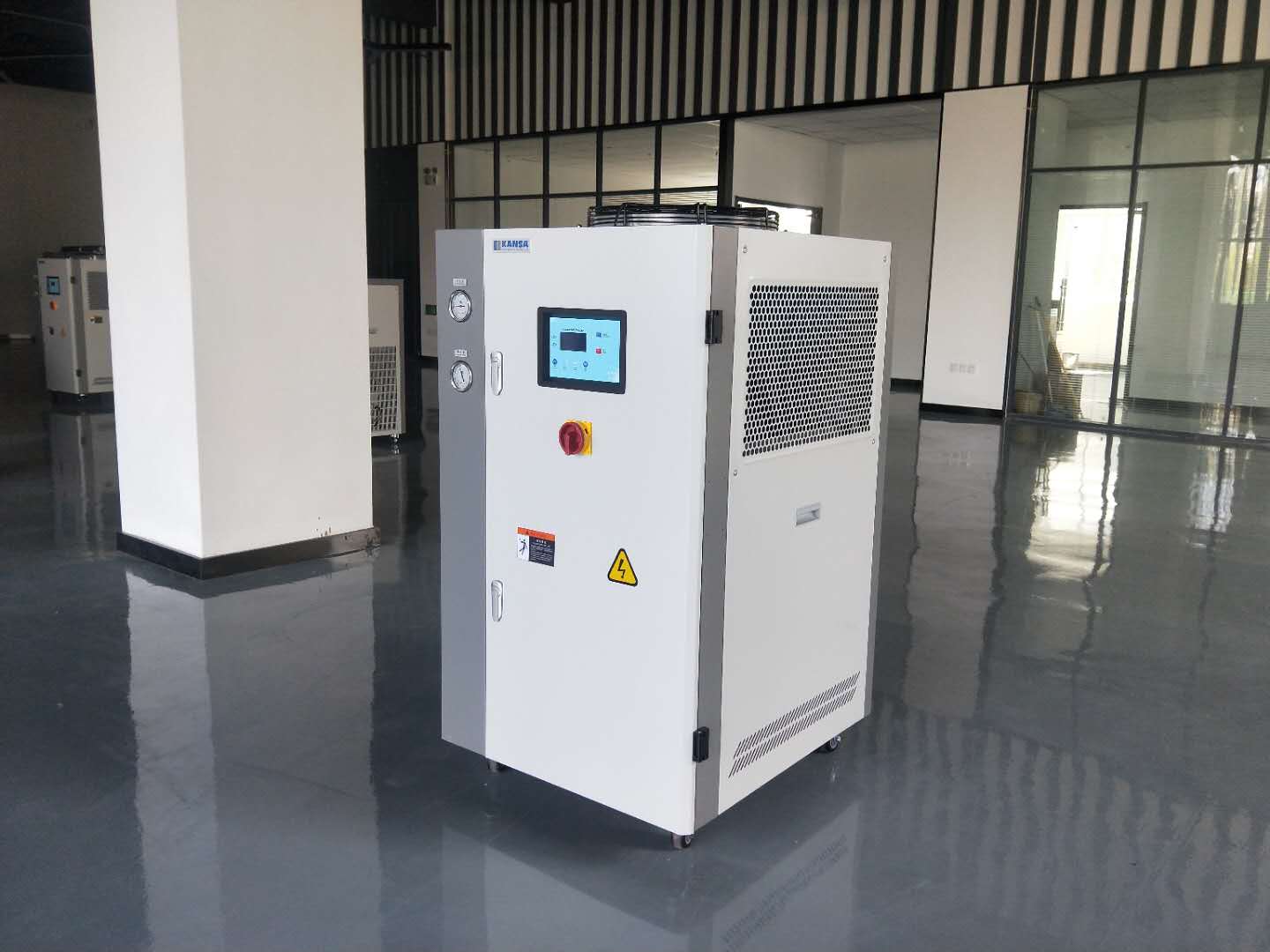
For small breweries, consider using a brewery heat exchanger to regulate fermentation tank temperatures.
Tip: Even systems like a 20 gallon brewing system or 1 bbl brewing system should include temperature control. It’s essential for good beer flavor — without it, you’re more likely to fail.
2. Dead or Unhealthy Yeast
Using outdated or improperly stored yeast can cause slow or stalled fermentation.
Solution:
Always use fresh, active yeast and rehydrate it if necessary. Consider purchasing a home beer brewing equipment set that includes fermentation monitoring tools.
This helps you check yeast activity in real time and avoid future problems.
Large breweries typically use commercial beer making equipment that includes yeast propagation systems, eliminating the need for separate tools.
3. Inadequate Wort Aeration
Yeast needs oxygen in the early fermentation stage to reproduce effectively.
Solution:
Stir or shake the wort vigorously before adding yeast.
You can also purchase or upgrade to small scale brewing equipment with built-in aeration or oxygenation features.
Systems like the 7 barrel brewing system or 3 bbl brewing system often come with integrated wort aeration modules.
4. Incorrect Equipment or Ingredients
Using non-food-grade materials or the wrong type of fermenter can disrupt fermentation or ruin your beer.
Solution:
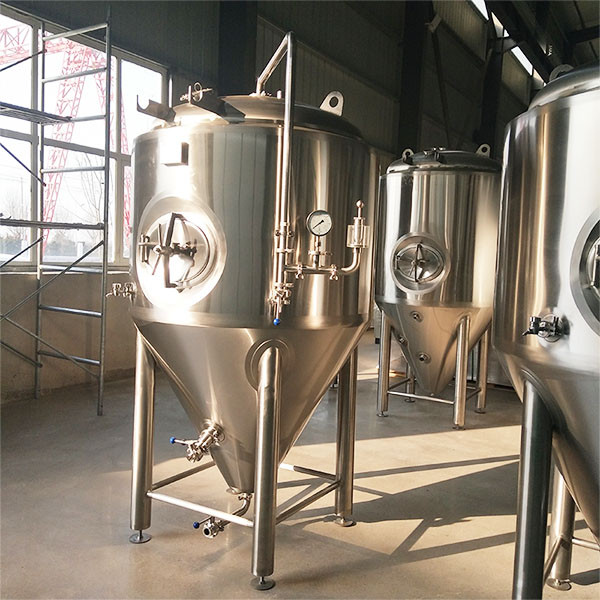
Always use stainless steel beer making equipment for hygiene and durability.
Choose fermenters that match your brewing volume — neither too big nor too small — whether it's a 1 bbl brewing system kit or nano brewery equipment.
Avoid using plastic buckets for large-scale brewing, as they don’t match stainless steel fermenters in terms of sanitation, durability, or airtightness.
To find the best rated home beer brewing kit, consult market reviews or professional advice.
5. Contamination Ruined the Batch
Wild bacteria or mold can easily enter during transfers, especially if cleaning is inadequate.
Solution:
Sanitize everything (fermenters, pipes, spoons) before use.
Use professional beer making equipment equipped with CIP (Clean-in-Place) systems.
Buying from brewery equipment manufacturers USA also ensures more advanced hygiene features.
Note: Even compact systems like the Crofton cold brew coffee system or the best home microbrewery kit require proper cleaning.
6. Not Enough Fermentation Time
Lack of patience is a major reason for fermentation failure. Some beers — especially strong ales or lagers — require several weeks or even months.
Solution:
Track the fermentation process using a hydrometer instead of guessing.
Let your beer sit longer in your home beer brewing system, especially if it supports secondary fermentation.
7. Fermenter Size or Shape Is Not Suitable
Improper fermenter size can affect yeast activity and headspace, particularly in commercial settings.
Solution:
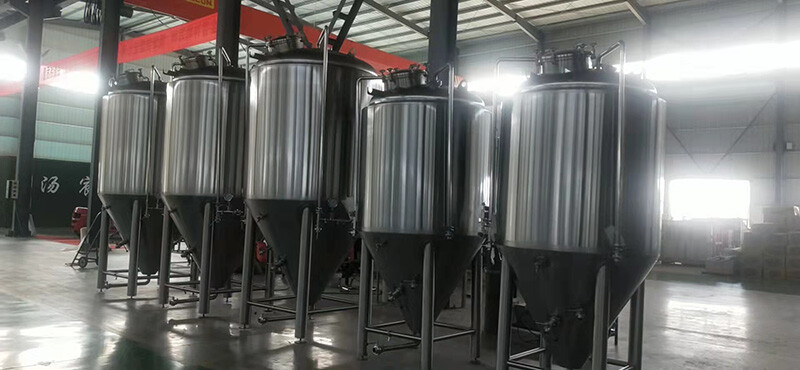
Match your fermenter to your brewing system — use a 7bbl brewhouse with properly sized bbl beer fermenters.
Conical fermenters are typically preferred for full fermentation.
For hobbyists, 1 barrel brewing system for sale kits often come with matching conical fermenters.
8. Poor Wort Quality or Low Gravity
Improper mashing or boiling can lead to poor wort quality, reducing yeast efficiency.
Solution:
Use precise brewing equipment such as electric brewing systems, 3 bbl brewing systems, or little machine brewery setups with dedicated mashing and boiling tools.
Or, choose an all-in-one system like the best home microbrewery kit, ensuring consistency from mashing to fermentation.
Conclusion
Fermentation failure is frustrating — but it’s also a valuable learning opportunity.
Whether you're brewing at home with the best beer brewing kits, scaling up with commercial beer making equipment, or experimenting with hybrid systems like the Crofton cold brew coffee system, understanding these common issues and their solutions can dramatically improve your results.
Looking for reliable equipment to control your fermentation process?
From home beer brewing equipment for sale to full-scale 7 barrel brewing systems, we offer solutions that fit your needs.
MESSAGE