



RELATED
MESSAGE
Beer brewing is both an art and a science. From small craft microbreweries to large commercial breweries, the quality of the final product depends heavily on one key factor: the brewing equipment. Whether you're setting up your first small brewery or expanding to an industrial-scale operation, choosing the right equipment ensures consistent taste, efficient production, and long-term success.
What Is Beer Brewing Equipment?
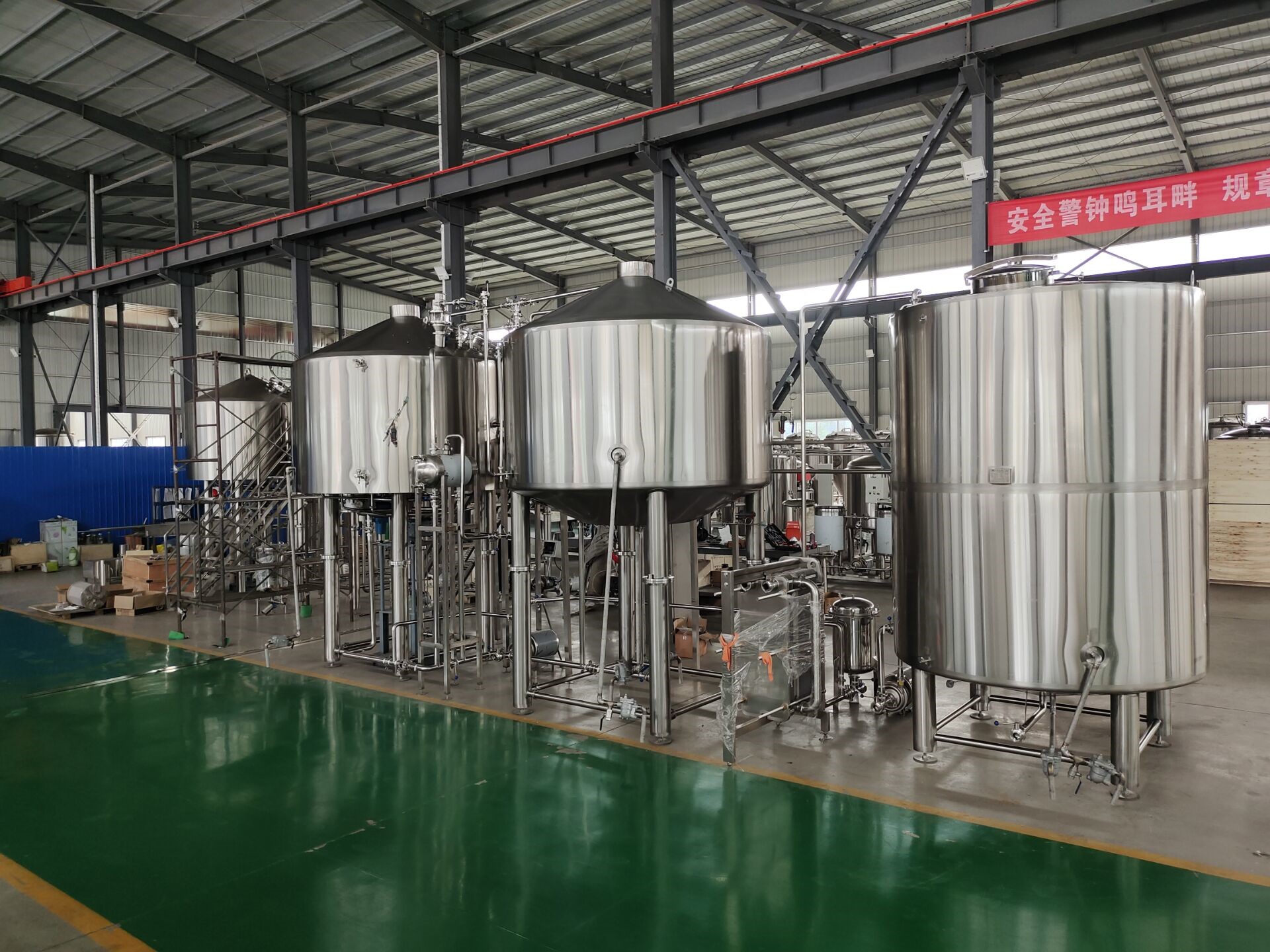
Beer brewing equipment refers to the full set of machinery and tanks used throughout the brewing process—from mashing and lautering to fermentation, storage, and packaging. The main purpose of this equipment is to provide a controlled environment that transforms grain, hops, and yeast into high-quality beer.
Major Types of Beer Brewing Equipment
Brewhouse System
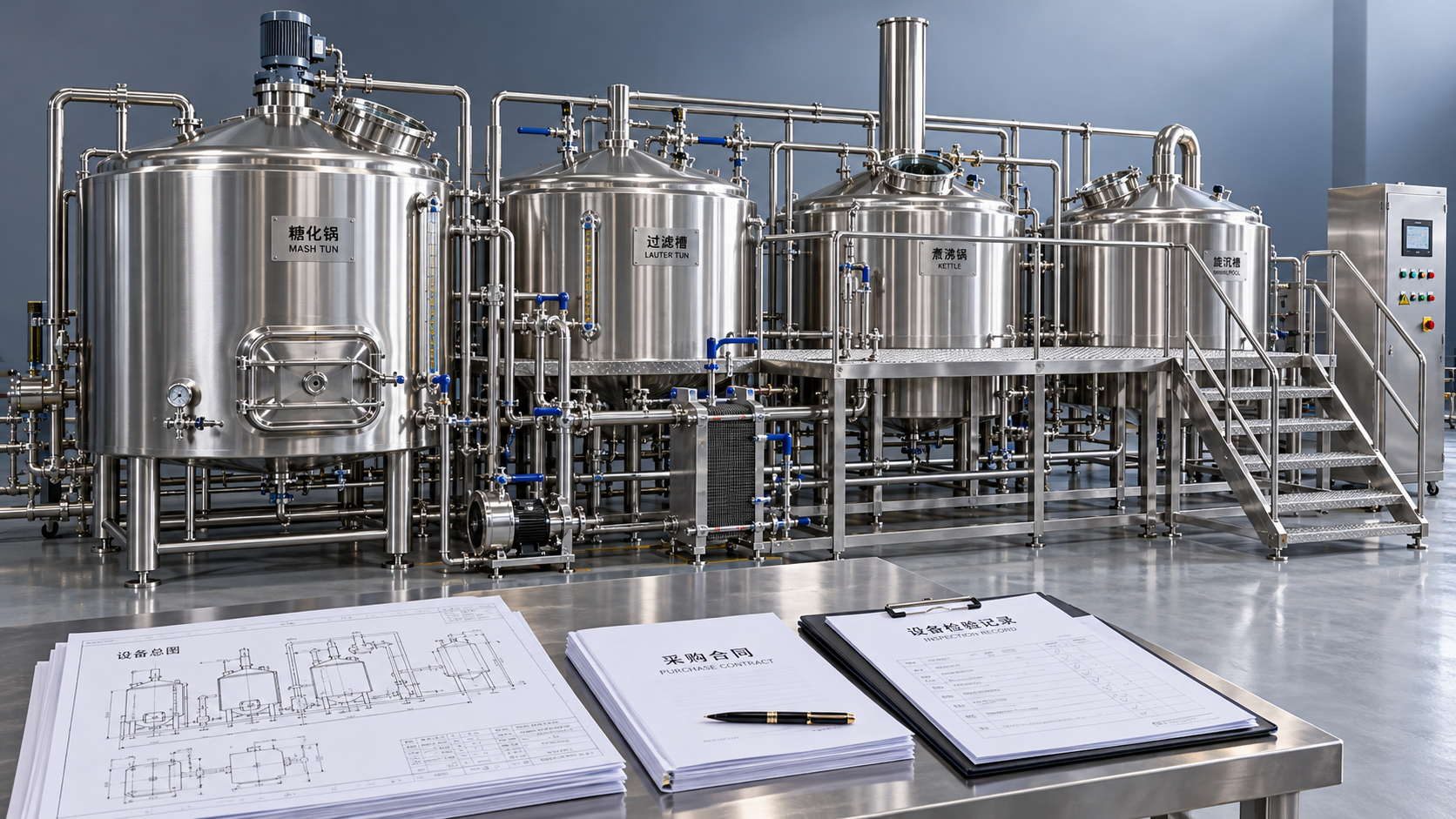
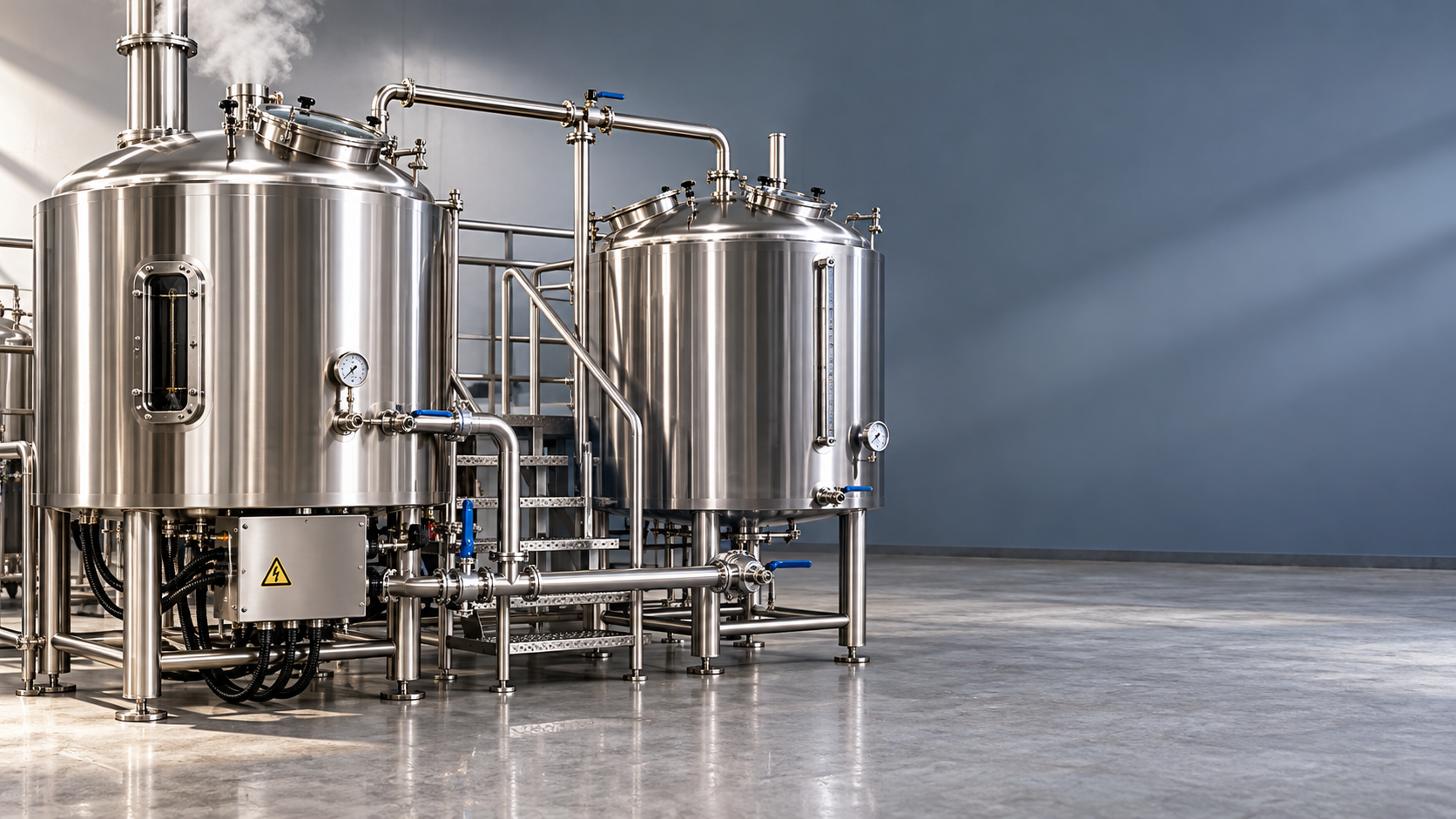
Includes mash tuns, lauter tuns, brew kettles, and whirlpool tanks.
Responsible for converting malt starches into fermentable sugars and preparing the wort.
Fermenters
Also known as beer fermenters, unitanks, or conical fermenters.
Used to ferment wort into beer by precisely controlling temperature and pressure.
Brite Tanks
Also called bright beer tanks.
For maturation, carbonation, and clarification before packaging.
Cooling & Glycol Systems
Maintain fermentation at the ideal temperature for yeast activity.
CIP Cleaning Systems
Ensure sanitation and prevent contamination with automated cleaning cycles.
Auxiliary Equipment
Includes malt mills, pumps, heat exchangers, keg washers, and beer filling machines.
Brewery Equipment by Scale
Home Brewing Systems (5–50L)
Perfect for hobbyists experimenting with different recipes.
Microbrewery Setup (1–10 BBL)
Designed for brewpubs, craft beer bars, or small-scale production.
Medium Breweries (10–50 BBL)
Ideal for regional breweries with wider distribution.
Industrial Brewing Systems (50+ BBL)
Built for mass production, automation, and export markets.
Why Choose Stainless Steel Brewing Equipment?
Most professional breweries use stainless steel brewing equipment because it is:
Durable – Withstands years of intensive use.
Corrosion-resistant – Protects against acids and cleaning agents.
Easy to clean – Ensures top-level hygiene.
Cost-effective – Long service life with low maintenance costs.
How to Choose the Right Brewing Equipment
Capacity Requirements – Start with your current production and plan for future expansion.
Budget – Balance upfront investment with durability and efficiency.
Supplier Reliability – Work with a trusted brewery equipment supplier who provides installation, training, and after-sales service.
Customization – Ensure the system can be tailored to your brewing style and recipes.
Compliance – Check that equipment meets local safety, sanitation, and certification standards.
Conclusion
A brewery’s success depends not only on recipes or ingredients but also on the right beer brewing equipment. Whether you're a craft brewery startup or a large-scale brewer, investing in high-quality stainless steel systems guarantees stable production, efficient operations, and long-term growth.
👉 Looking for professional brewing equipment? Contact us today for a free consultation and get a customized solution for your brewery!
MESSAGE