



RELATED
MESSAGE
The beer industry has experienced rapid growth over the past two decades. Whether it is small local craft breweries or large-scale production facilities, they all rely on one crucial factor—equipment. Choosing the right brewing equipment not only determines the taste and quality of beer, but also exerts a significant impact on a brewery’s operational efficiency and long-term profitability.
For brewery owners, bar managers, or entrepreneurs considering starting up a brewery, understanding the role of each component of the brewing system is essential. In this guide, we’ll cover the fundamentals of brewery tanks, brewing systems, and fermentation equipment, helping you make the right investment decisions.
What is Brewery Equipment?
Brewery equipment refers to the complete system used in beer production, starting from raw material handling and mashing, through fermentation and maturation, to packaging. The main brewing process usually consists of several steps:
Mashing & Lautering – The grain is mixed with hot water in a mash lauter tun, converting starch into fermentable sugars.
Boiling & Whirlpool – The sweet wort is transferred into the brew kettle (wort boiler), boiled, and hops are added for bitterness and aroma.
Fermentation – The cooled wort is transferred into a beer fermentation tank, where yeast turns sugars into alcohol and CO₂.
Maturation – Beer is conditioned in brite tanks (bright beer tanks) for clarification, carbonation, and flavor development.
Packaging – The finished beer is bottled, canned, or kegged.
Each step requires specialized equipment, and the configuration depends on the brewery’s scale and production goals.
The Core Components of a Brewing System
1. Brewhouse System
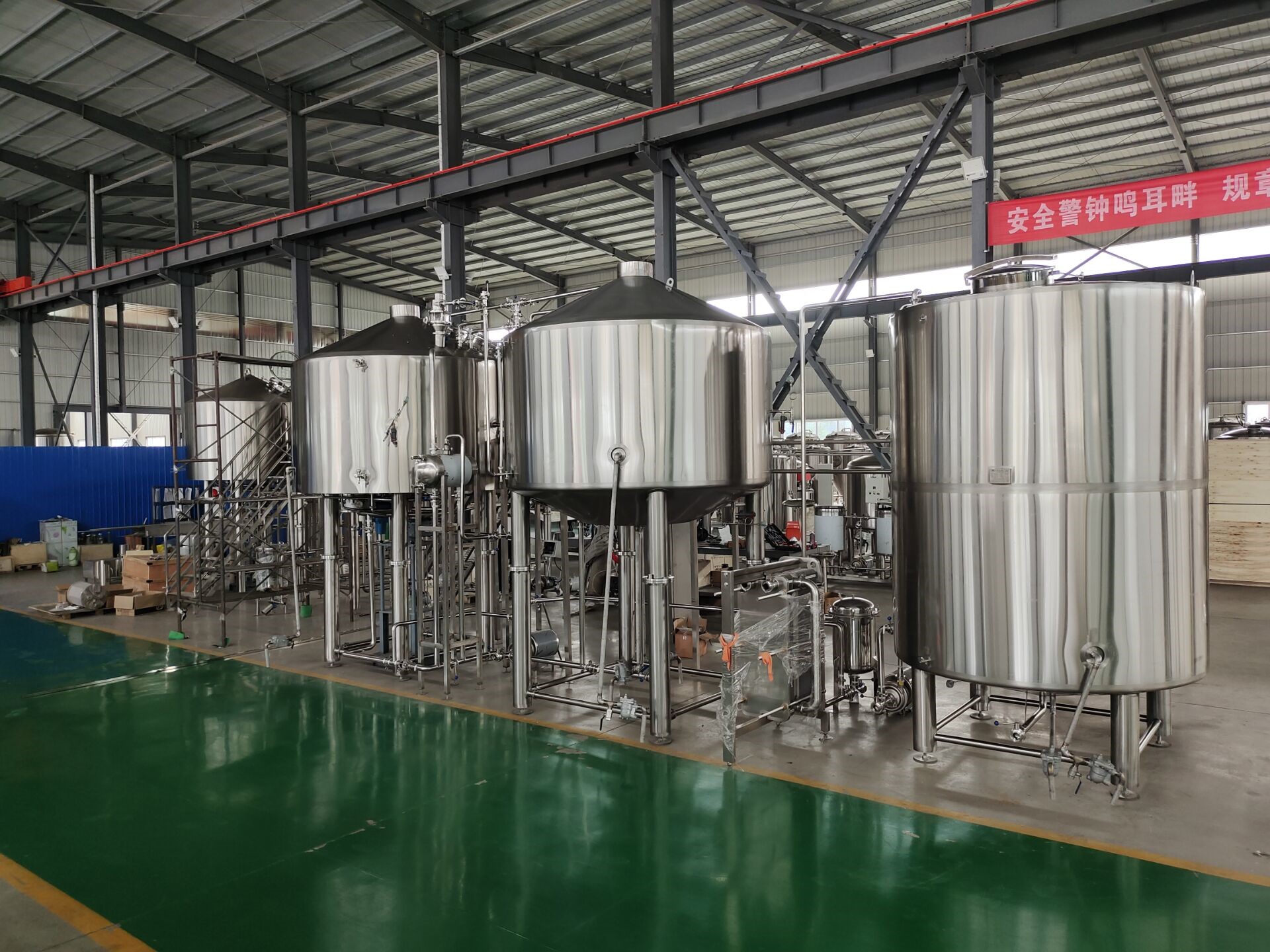
The brewhouse is the heart of any brewery. It usually consists of a combination of vessels, such as:
Mash Tun / Lauter Tun – Converts starches to sugars and filters the wort.
Brew Kettle (Wort Boiler) – Boils the wort and sterilizes it.
Hot Liquor Tank (HLT) – Stores and heats water for brewing and cleaning.
Whirlpool Tank – Separates hop residues and trub from wort after boiling.
Brewhouses come in different configurations: 2-vessel, 3-vessel, and 4-vessel systems. A 3 vessel brewhouse is common in medium-scale craft breweries, providing a balance between efficiency and cost.
2. Fermentation Tanks
Fermentation is where the magic happens. Yeast transforms sugars into alcohol and CO₂ inside specialized vessels:
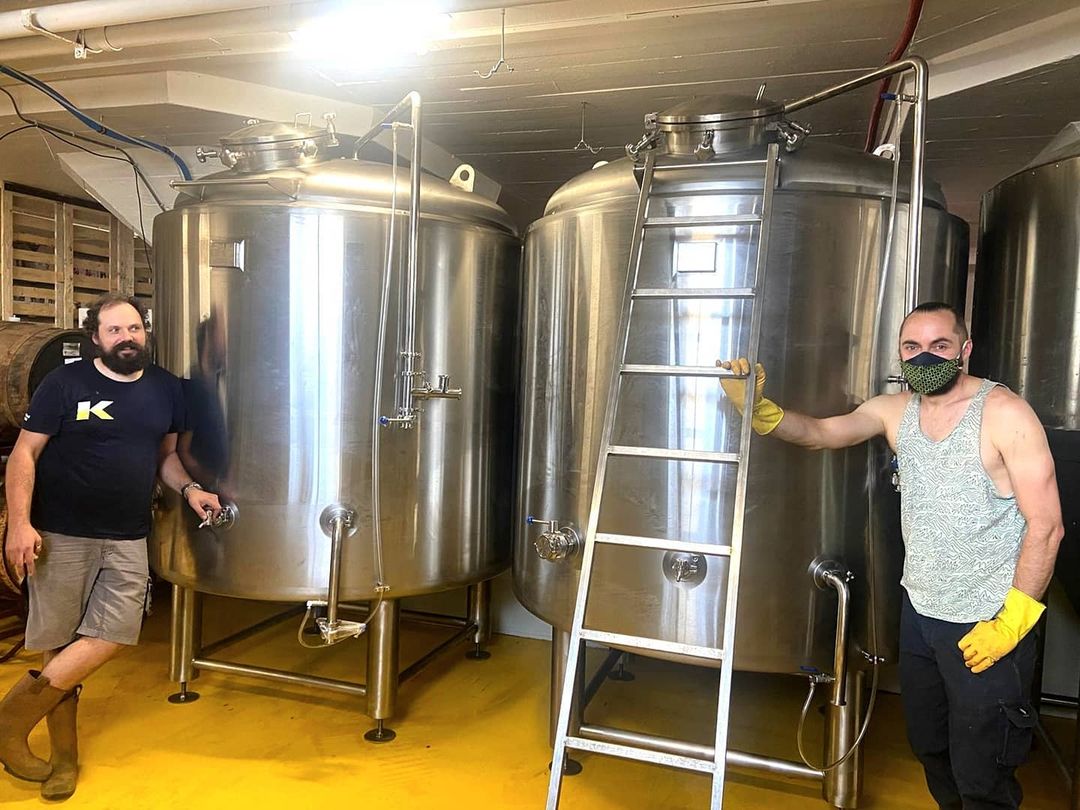
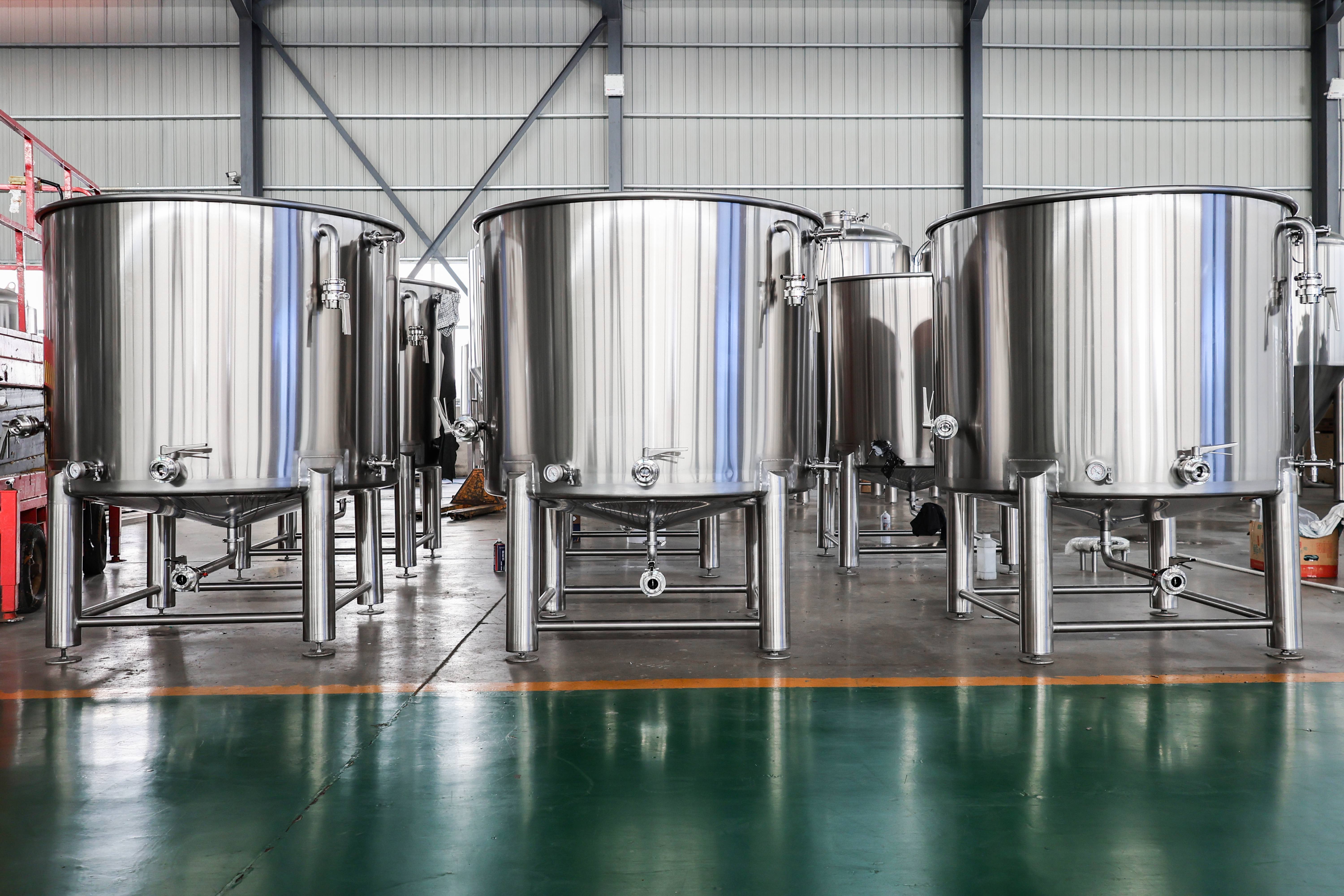
Cylindroconical Fermenters (Unitanks) – The most popular design, combining fermentation and maturation in one tank.
Dedicated Beer Fermenters – For primary fermentation.
Brite Beer Tanks (Bright Tanks) – Used for conditioning, carbonation, and storage before packaging.
High-quality stainless steel fermentation tanks ensure hygiene, durability, and consistent results.
3. Auxiliary Equipment
Besides the brewhouse and fermenters, additional equipment is essential for smooth operation:
Brewery Steam Boiler – Provides heat for brewing.
CIP Systems (Cleaning in Place) – For sanitation and hygiene.
Cooling Systems & Glycol Chillers – To control fermentation temperature.
Grain Mills, Pumps, and Piping Systems – For raw material handling and fluid transfer.
Why Quality Brewery Equipment Matters
Consistency & Taste
Beer lovers expect the same taste every time they order their favorite brew. Precision-engineered equipment ensures that each batch has consistent flavor and quality.
Efficiency & Cost Savings
Modern brewing systems optimize energy use, reduce raw material waste, and shorten brewing cycles—making your brewery more profitable in the long run.
Durability & Reliability
Investing in high-grade stainless steel brewing equipment means fewer breakdowns, easier maintenance, and longer lifespan.
Scalability
Whether you start with a 1 bbl brewing system or a 200 litre brewing system, choosing modular equipment allows you to expand production as your business grows.
Choosing the Right Brewing Equipment
When selecting equipment, consider the following:
Production Scale
Nano breweries & pilot systems (1 bbl – 5 bbl) – Ideal for testing new recipes or brewpubs.
Microbreweries (5 bbl – 20 bbl) – Suitable for local markets and small-scale distribution.
Commercial breweries (20 bbl and above) – Designed for large-scale, industrial beer production.
Space & Layout
Ensure the system fits your brewery floor plan, with enough room for workflow and expansion.
Automation Level
Manual systems for craft-focused brewers.
Semi-automatic systems for balanced control.
Fully automated systems for large breweries prioritizing efficiency.
Budget & ROI
Cheaper options may save money upfront, but high-quality brewery equipment for sale provides better return over time.
Manufacturer & Support
Partnering with a reliable brewhouse manufacturer ensures technical support, installation, and training.
Application Scenarios
Brewpubs & Restaurants – Small systems that let you brew and serve fresh beer onsite.
Independent Microbreweries – Flexible setups that allow experimenting with seasonal or unique flavors.
Large-Scale Breweries – Industrial brewing systems for consistent, mass-market production.
Export-Oriented Breweries – Equipment designed for packaging and long-distance distribution.
Why Work With Us
We specialize in designing and manufacturing high-quality brewery equipment tailored to different markets. From microbrewery equipment for sale to large industrial brewing lines, our solutions cover:
Custom design & layout planning
Stainless steel brewing tanks & complete systems
Installation, training & technical support
Flexible capacity options (from 1 bbl pilot systems to 150 bbl production lines)
Our equipment is trusted by breweries across Europe, North America, and Asia, helping brands grow from local brewpubs to international suppliers.
Conclusion
The right brewery equipment is more than just machines—it’s the foundation of your beer business. By investing in quality brewery tanks, fermentation systems, and brite beer tanks, you ensure consistency, efficiency, and scalability for years to come.
👉 Looking for reliable brewery equipment? Contact us today for a customized brewing solution and take your beer to the next level!
MESSAGE