



RELATED
MESSAGE
Modern Beer Brewing Equipment
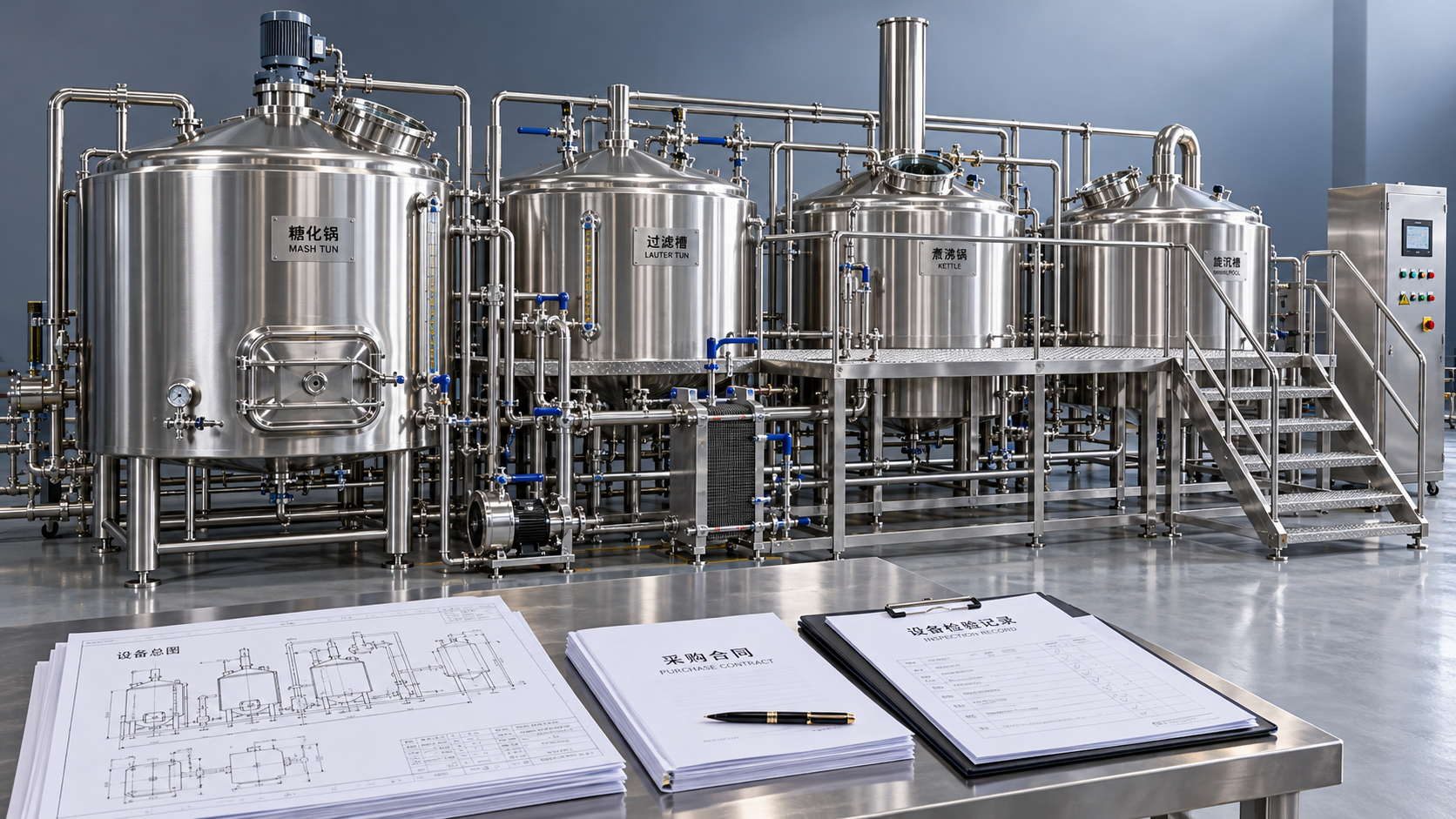
In today’s brewing industry, selecting the right brewing equipment is essential for ensuring beer quality and flavor consistency. From small-scale beer making machine at home setups to mid-sized beer making equipment commercial, equipment options and specifications have become increasingly diverse. Understanding different types of equipment, their capacities, and materials helps brewers streamline production processes while maintaining flavor quality and efficiency.
Brew Kettles: The Core of Beer Production
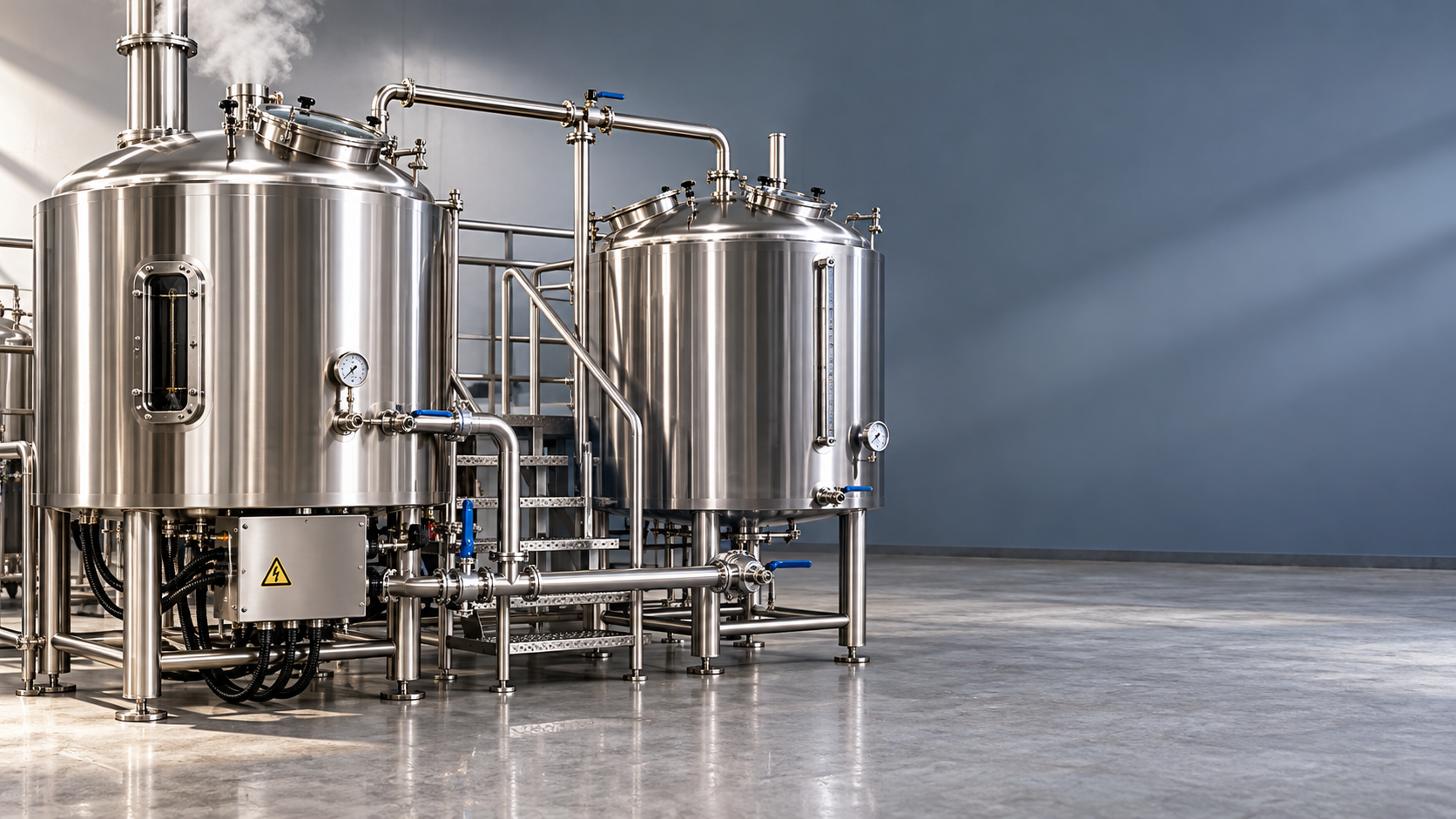
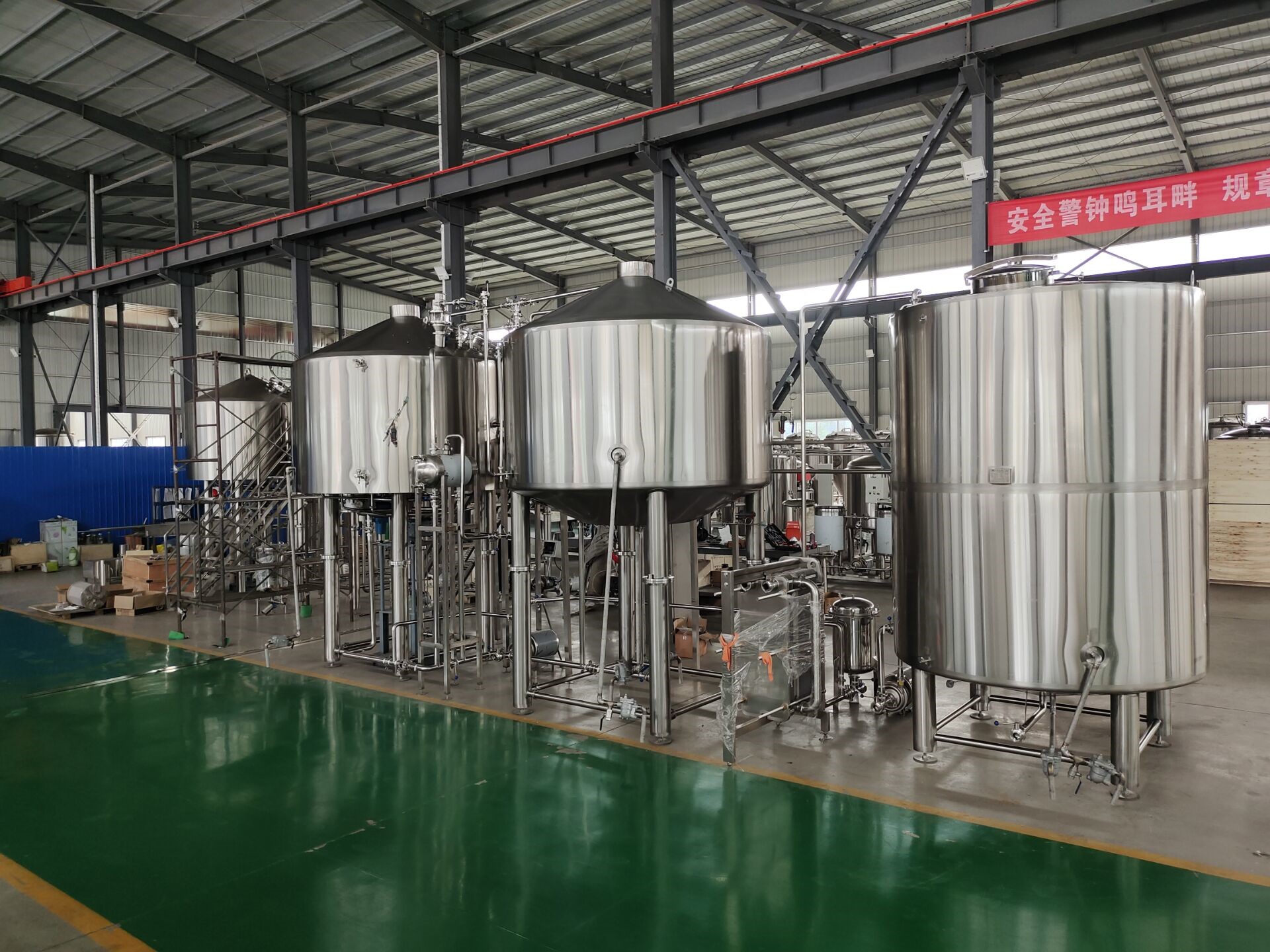
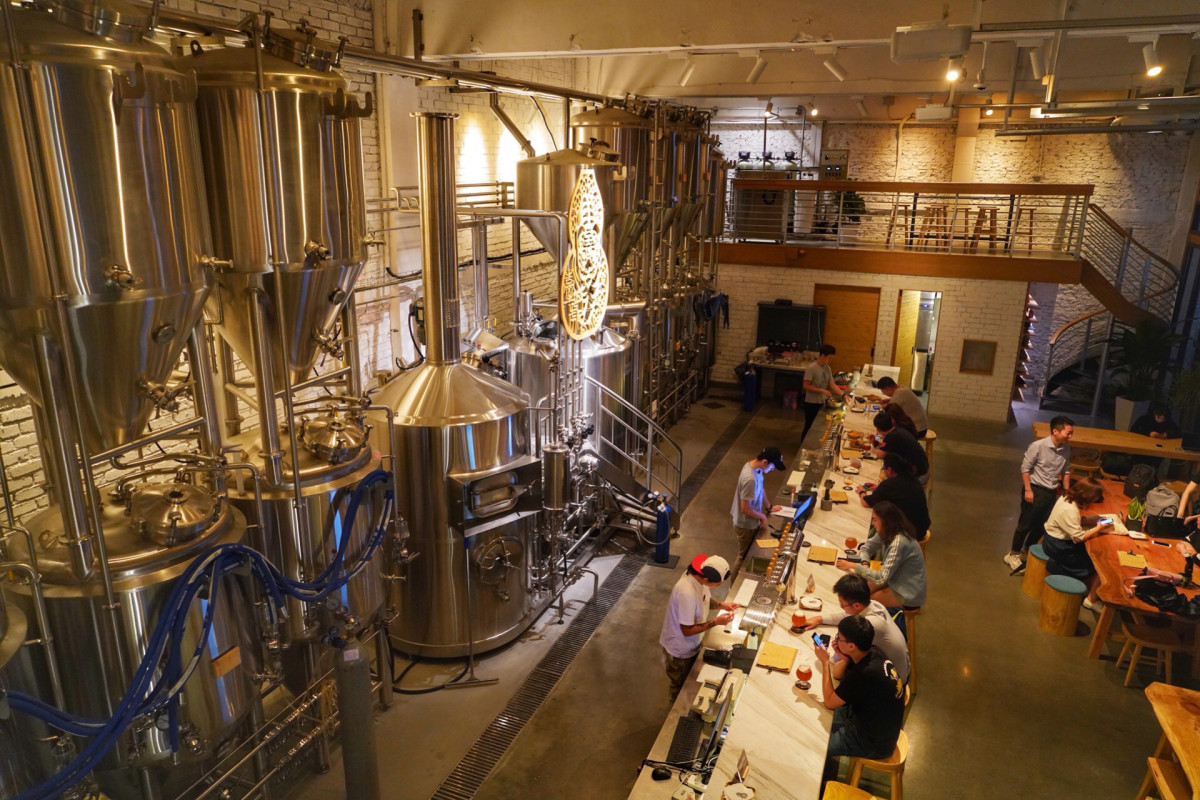
Brew kettles are central to beer production, especially craft kettle brewing equipment, which play crucial roles in mashing, boiling, and filtering. Breweries can choose beer making systems ranging from 500L to 2000L based on production needs. Small brew pubs may prefer compact systems to balance space and costs, while medium and large commercial breweries can customize beer brewery equipment for higher production volumes.
Properly configured brew kettles and accessory equipment allow brewers to control the brewing process more precisely and ensure product consistency.
Temperature and Timing Control
Controlling temperature and timing is vital during brewing. High-quality equipment ensures stable mashing, boiling, and filtering, which directly affects beer aroma and taste.
For home users, beer making machine at home offers a simple and professional-friendly solution, while small brew pubs can use semi-automatic or fully automatic systems to achieve batch production with consistent flavors.
Fermentation Tanks and Bright Tanks: Ensuring Quality
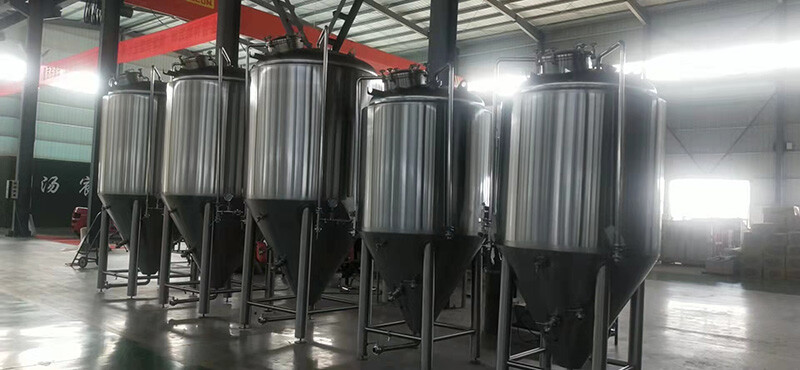
High-quality beer fermentation tanks help maintain stable temperature and pressure during fermentation, optimizing the fermentation process and reducing off-flavors.
Conical Fermentation Tanks: Facilitate sediment removal, suitable for various beer styles
Bright Tanks: Used for secondary fermentation and storage
Choosing beer making equipment stainless steel tanks ensures durability, easy cleaning, and compliance with hygiene standards. For small breweries looking to expand, pairing bright tanks with fermentation tanks can significantly enhance production efficiency.
Material Selection
Equipment materials directly impact maintenance costs and hygiene. Stainless steel is durable, corrosion-resistant, and easy to clean, suitable for long-term use. Copper or hybrid materials can enhance certain beer flavors but require higher maintenance costs.
Auxiliary Equipment: Optimizing Production Processes
Besides core brewing and fermentation equipment, auxiliary facilities are crucial in modern beer production. Equipment for making beer includes mash tuns, pumps, chillers, and filters.
Using perfect brewing supply helps optimize workflows, reduce manual effort, and ensure consistent quality across batches. Proper auxiliary equipment increases efficiency and reduces operational errors.
Auxiliary equipment examples:
Equipment Capacity and Automation
Capacity is a key consideration when selecting equipment:
Automation levels are also important:
Fully Automatic Systems: Reduce manual intervention and improve precision
Semi-Automatic Systems: Flexible, suitable for small brew pubs and home users
Operation and Maintenance Tips
Proper operation and maintenance extend equipment life and ensure beer quality:
Temperature Management: Use control systems to maintain fermentation temperature
CIP Cleaning: Automatic cleaning for tanks and pipelines
Pipeline Checks: Regular inspection to prevent blockages and contamination
Fermentation Monitoring: Record fermentation curves to optimize recipes
Equipment Maintenance: Inspect valves, seals, and electrical components regularly
Industry Case Studies
Case 1: Home Microbrew
A home microbrewery used beer making machine at home and craft kettle brewing equipment, producing 500–600L over six months. Each fermentation cycle lasted around 14 days. Using pumps and chillers reduced manual workload and ensured clarity and flavor consistency.
Case 2: Medium Commercial Brew Pub
A small brew pub invested in beer making equipment commercial and beer fermentation tanks, achieving 1200–1800L per batch with 10–12 day fermentation cycles. Bright tanks and automatic temperature control maintained flavor stability, enabling reliable supply to local restaurants and bars.
These cases demonstrate that regardless of scale, strategic equipment selection and planning improve efficiency and beer quality.
Comprehensive Equipment Selection Guide
Determine Production Volume: Choose capacity-appropriate beer brewery equipment
Prioritize Stainless Steel: Ensures durability and hygiene
Evaluate Automation: Control labor cost and operational complexity
Select Reliable Suppliers: Get technical support and after-sales service
Plan for Expansion: Leave interfaces for future capacity upgrades
Configure Auxiliary Equipment: Pumps, chillers, filters, and temperature control systems
Perform Regular Maintenance: Temperature management, CIP cleaning, and pipeline checks
Conclusion
Choosing high-quality brewing equipment is essential for beer quality and production efficiency. Whether for home microbrews, brew pubs, or small commercial breweries, proper planning and professional equipment procurement enable high-quality beer production. By understanding equipment types and applications, brewers can optimize workflows while maintaining consistent flavor profiles.
For more details, you can explore these internal pages:
Brewing Systems: Three-Vessel Brewhouse
Fermentation Tanks: Beer Fermentation Tanks
Bright Tanks / Storage: Bright Beer Tanks
Accessories: Home Brewing Accessories
MESSAGE