



RELATED
MESSAGE
Starting a brewery is not simply a matter of buying a brewhouse and a few fermentation tanks. The equipment has to work together as one production system, and small differences in tank configuration, heating method, cooling capacity, piping, and control can have a noticeable effect on daily brewing operations.
For this reason, many brewery investors prefer turnkey brewery equipment rather than purchasing individual machines from several different suppliers.
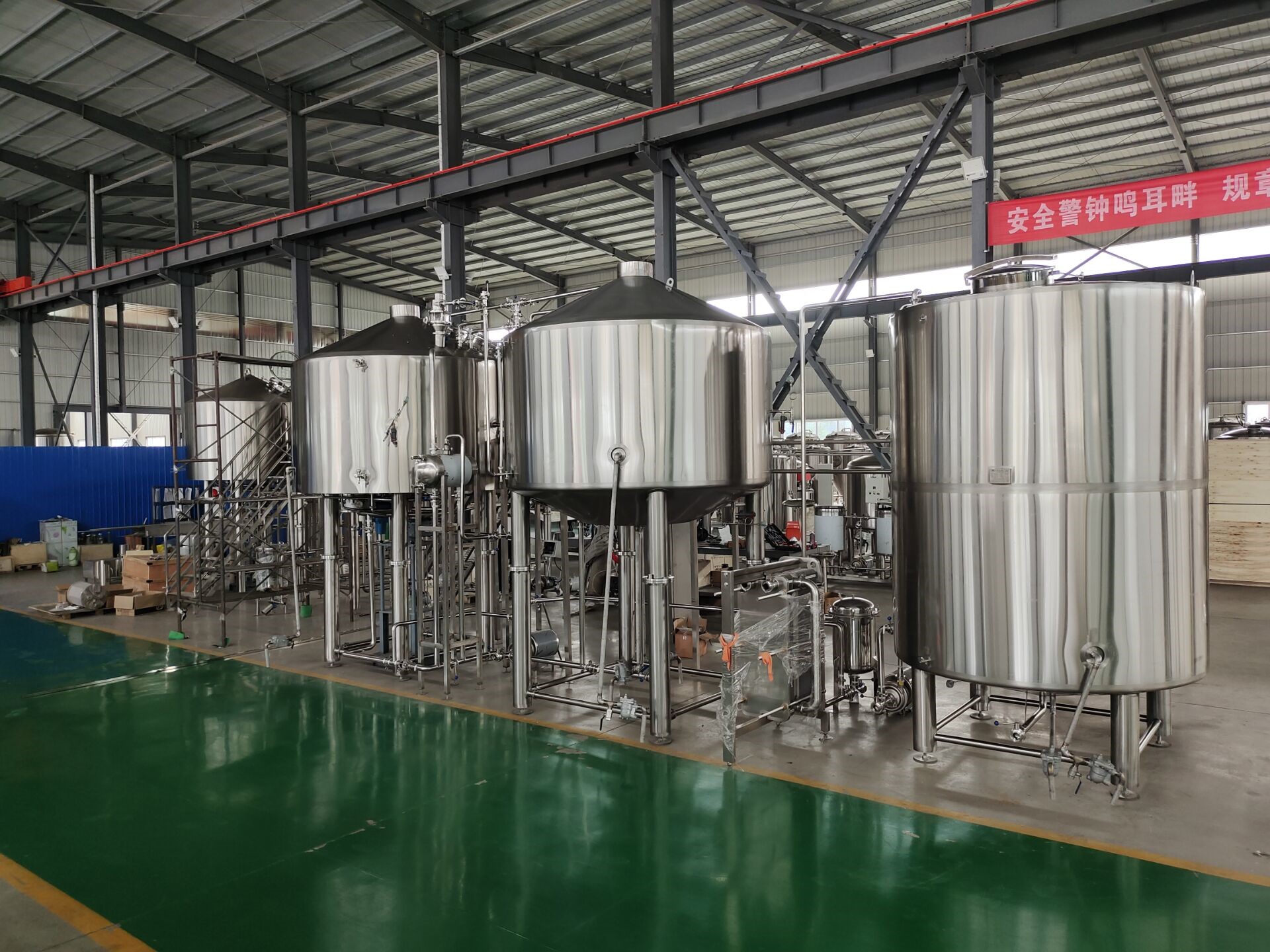
A turnkey system can cover the main stages of beer production, from wort preparation and fermentation to cooling, storage, and beer transfer. More importantly, the equipment is designed as a complete system rather than as a collection of unrelated machines.
What Does Turnkey Brewery Equipment Include?
The exact configuration depends on the brewery's production capacity and brewing process. A typical commercial brewery project may include:
- Brewhouse system
- Mash and lauter tanks
- Wort boiling and whirlpool equipment
- Hot liquor and cold liquor tanks
- Wort cooling system
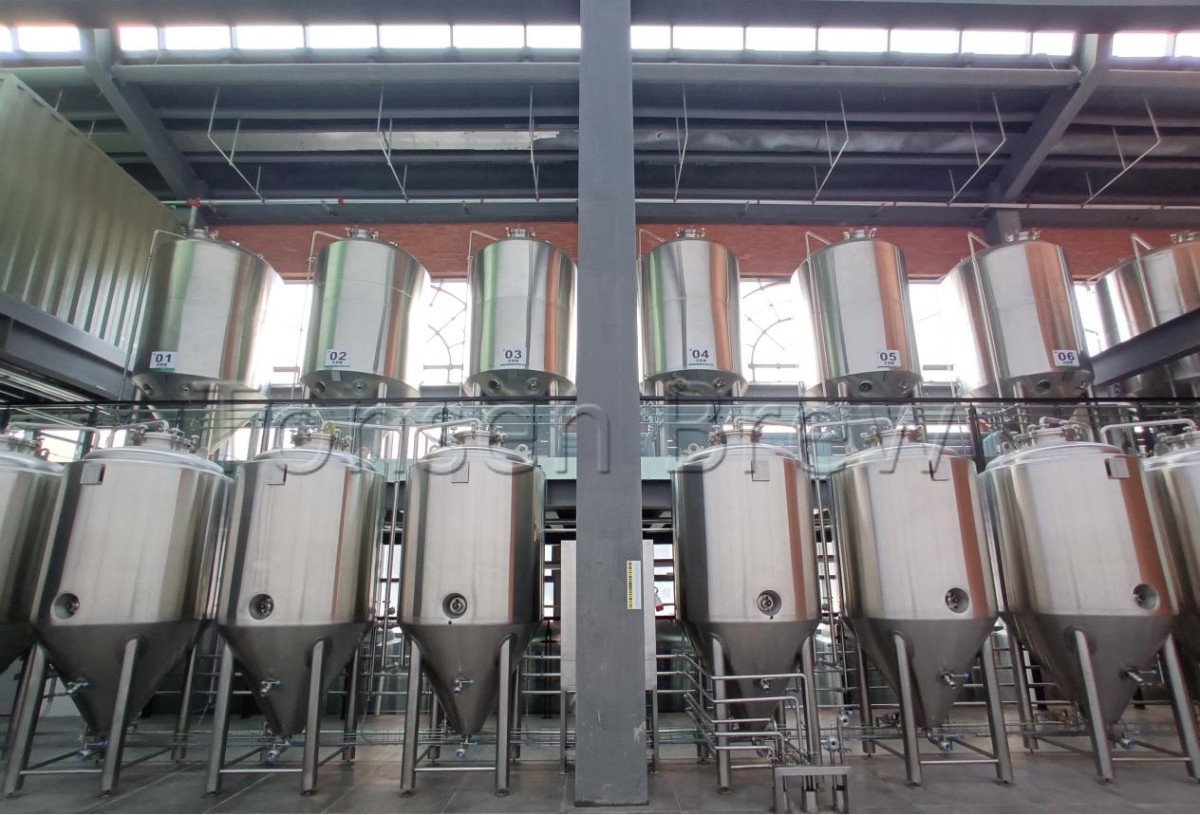
- Fermentation tanks
- Bright beer tanks
- Glycol cooling system
- CIP cleaning system
- Beer transfer and piping system
- Control system
- Keg or packaging equipment, when required
The capacity of each part should be considered together.
For example, increasing the number of fermenters without increasing the cooling capacity may create problems during peak production. Likewise, a brewhouse with a large output needs enough hot water, chilled water, fermentation capacity, and utility support to keep the brewing schedule running smoothly.
This is one of the main advantages of working with a supplier that can provide a complete system.
Why the Manufacturer Matters
The supplier is just as important as the equipment itself.
A brewery may operate for decades, while individual tanks, pumps, valves, sensors, and control components may need to be replaced or upgraded over time. Working directly with a reliable beer brewing equipment manufacturer makes it easier to discuss technical changes, spare parts, future expansion, and after-sales support.
A manufacturer should be able to understand more than just the dimensions of a tank. They should understand how the complete brewing process works.
When discussing a new brewery project, it is worth asking the manufacturer about several practical points:
Production Capacity
The stated tank volume does not always tell the whole story.
A brewery producing 1,000 liters per batch may have very different requirements from another brewery using the same nominal brewhouse size but operating several batches per day.
The manufacturer should therefore look at the planned production schedule, fermentation time, number of brewing days per week, and expected annual output.
Tank Configuration
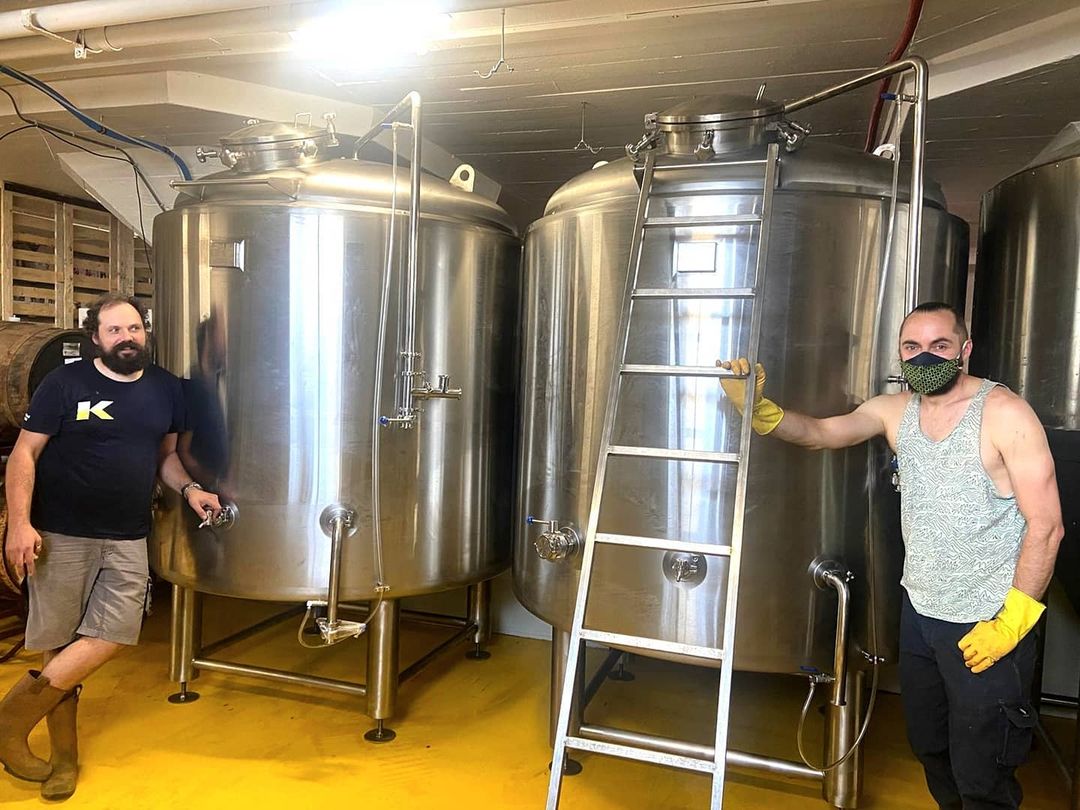
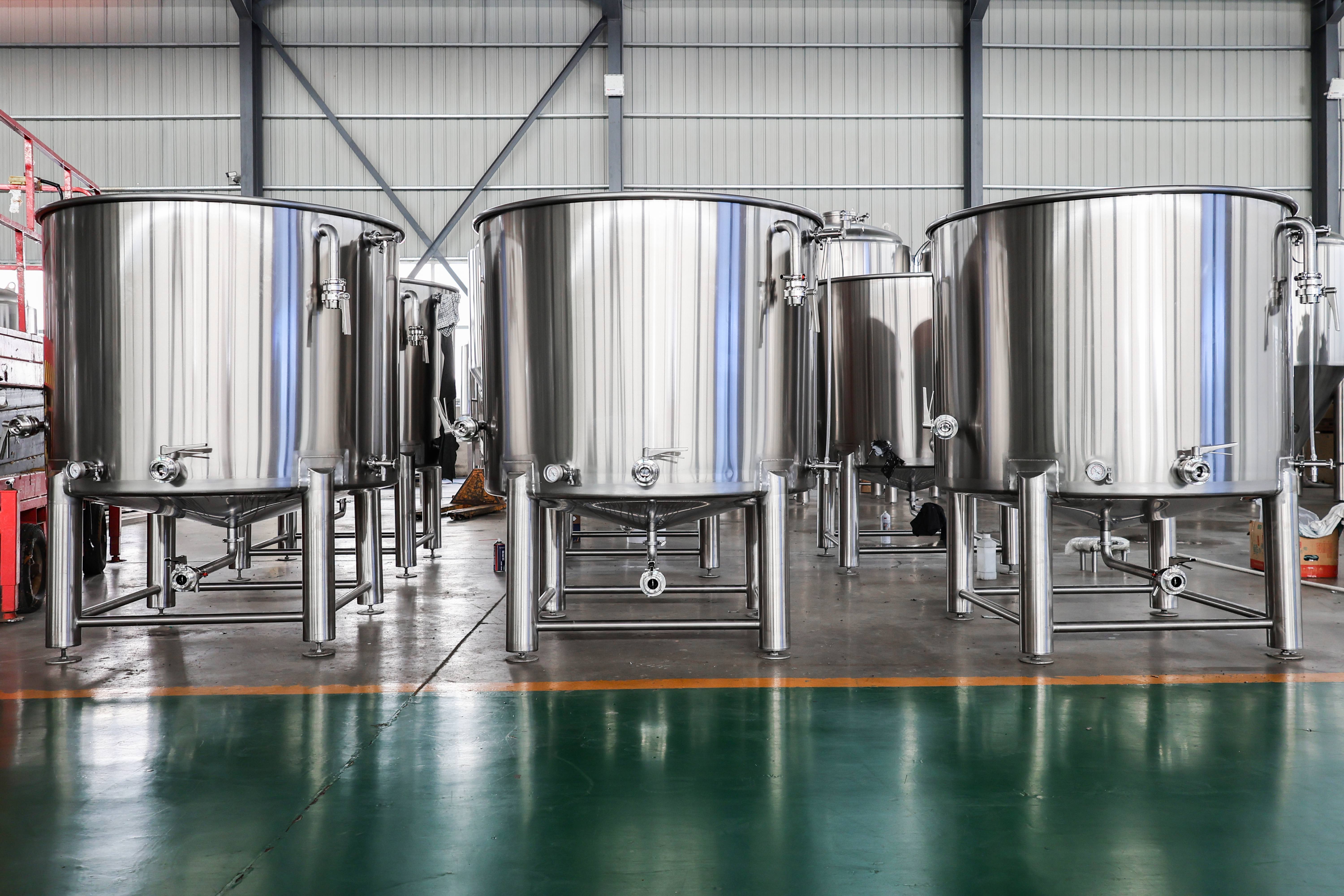
Fermentation tanks can be configured in many different ways.
Tank diameter, height, working volume, total volume, cooling area, pressure rating, insulation, manways, fittings, and outlet configuration all affect how the tanks are used.
There is no single tank design that is ideal for every brewery.
Heating Method
Steam, electric heating, and other heating methods can be used depending on the brewery's location and available utilities.
The right choice depends on electricity availability, fuel costs, local regulations, installation conditions, and the desired brewing schedule.
A good equipment manufacturer should explain the practical differences instead of simply recommending one option for every project.
Cooling System
Cooling is another area that is easy to underestimate.
After wort leaves the whirlpool, it needs to be cooled quickly before fermentation. Fermentation tanks also require stable temperature control throughout the fermentation process.
The glycol chiller, glycol tank, pumps, heat exchangers, and cooling jackets therefore need to be sized according to the actual brewery workload.
Designing the Brewery Around the Brewing Process
A common mistake when purchasing brewery equipment is to start with a list of machines and then try to fit the brewing process around them.
It is usually better to work in the opposite direction.
First determine how the brewery will operate.
How many batches will be brewed each day? How long will fermentation take? How many beer varieties will be produced? Will different beers need different fermentation temperatures? Will the brewery package into kegs, bottles, or cans?
Once these questions are clear, the equipment configuration becomes much easier to determine.
For a commercial brewery, the layout is also important. Tanks need sufficient space for operation and maintenance, while pipes and cables should be arranged in a way that keeps the production area practical and accessible.
Stainless Steel Quality Is More Than Appearance
Most commercial brewery equipment is made from stainless steel, but simply specifying "stainless steel" is not enough.
The material grade, surface finish, welding quality, insulation, fittings, valves, and fabrication standards all matter.
The inside of a beer-contact tank needs to be smooth and easy to clean. Poorly finished welds or difficult-to-clean areas can create unnecessary problems during sanitation.
This is particularly important for breweries that plan to operate continuously or produce several batches each week.
Think About Expansion Before the First Brew
A brewery does not always stay the same size.
Many breweries start with a relatively modest production capacity and increase output once their local market develops. If future expansion is already considered during the first equipment design, adding fermentation tanks or other equipment later can be much easier.
For example, the initial system can be designed with space for additional fermenters, sufficient glycol capacity, and a control system that can accommodate future equipment.
This does not mean buying everything at once. It means leaving sensible options for the future.
Choosing a Manufacturer for a Complete Brewery Project
Price is naturally an important part of a brewery equipment purchase, but it should not be the only factor.
A lower equipment price does not necessarily mean a lower total project cost. Installation requirements, shipping, spare parts, control components, commissioning, and future modifications can all affect the final investment.
When comparing suppliers, it is useful to compare the complete technical proposal rather than comparing the price of one brewhouse against another.
A capable beer brewing equipment manufacturer should be able to provide clear technical specifications, equipment drawings, utility requirements, a proposed layout, and a detailed equipment list.
The supplier should also be willing to discuss the project according to the brewery's actual requirements rather than pushing a standard package that may not fit the operation.
A Brewery Is a Production System
The best brewery equipment is not necessarily the equipment with the largest tanks or the most complicated control system.
It is the equipment that fits the brewery's production plan.
A well-designed turnkey brewery equipment system should make the brewing process straightforward for operators, easy to clean and maintain, and flexible enough to support future production needs.
For anyone planning a commercial brewery, the most useful first step is usually not asking, "How much does a brewery cost?"
A better starting point is to define the expected production capacity, brewing schedule, beer styles, available utilities, brewery space, and plans for future expansion.
Once those details are clear, the right equipment configuration becomes much easier to design.
And that is where an experienced brewery equipment manufacturer can make a real difference.
MESSAGE